






Surpassing Demand
Uttar Pradesh has achieved a significant milestone by successfully catering to a peak power demand of 29,475 MW on April 28th this year, a feat accomplished even amidst unexpected rainfall. This performance
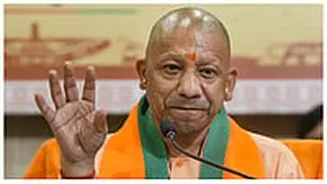
is a testament to the state's robust and expanding energy infrastructure. Looking back, the actual peak demand in 2025 was recorded at 31,468 MW, as stated by the state's energy minister. This consistent ability to meet and exceed demand, particularly during challenging weather conditions, showcases substantial improvements in the state's power management capabilities. The minister emphasized that Uttar Pradesh has consistently led the nation in meeting peak electricity demands for the last four years, reflecting a significant leap forward in its power generation capacity, the resilience of its transmission network, and the efficiency of its distribution systems, ensuring power reliability for its growing populace.
Growth Trajectory
The transformation of Uttar Pradesh's power sector is evident when comparing current figures to past performance. Between 2012 and 2017, the average peak demand hovered around 13,000 MW. In stark contrast, over the last four years, this figure has surged to approximately 30,000 MW. This dramatic increase is directly linked to the escalating electricity consumption across residential, agricultural, and industrial sectors, coupled with a widespread expansion of power accessibility. The number of electricity consumers has nearly doubled, growing from 1.8 crore in 2017 to about 3.7 crore presently. A substantial 50 lakh new power connections have been provisioned in the last four years alone, significantly broadening the state's consumer base and demonstrating a commitment to energy inclusion.
Infrastructure Boost
Enhancements in power generation capacity have been pivotal in meeting the rising demand. Uttar Pradesh's thermal power capacity has seen a considerable jump, escalating from 5,160 MW in 2017 to 9,120 MW, with further projects in various stages of development poised to increase this figure. The total power availability from all sources has now reached around 22,000 MW, a remarkable rise from the 11,803 MW available in 2017. Alongside generation, the transmission network has undergone substantial upgrades. Substation capacity has been significantly augmented, and large-scale improvements have been implemented to minimize power losses and bolster network reliability. Furthermore, the distribution infrastructure has been systematically strengthened through the replacement of aging conductors, poles, and transformers, ensuring a more stable and efficient flow of electricity to consumers across the state.
Reliability and Access
The state's commitment to reliable power supply is yielding tangible results. Electricity is now consistently available for 18-20 hours in rural areas and a full 24 hours in urban centers, a significant improvement from previous years. Technology has played a crucial role in this transformation, with enhanced billing accuracy achieved through modern systems and the provision of digital services for consumers to manage their power usage. Electrification efforts have also extended to the most remote habitations, connecting over 1.75 lakh previously un-electrified settlements in recent years. This pervasive access to electricity not only improves the quality of life but also fuels economic activity and development across the state, solidifying Uttar Pradesh's position as a leader in power provision.