




A Century of Craftsmanship
The Bengal Home Industries Association (BHIA), an institution founded over 110 years ago by the visionary Gaganendranath Tagore, nephew of Rabindranath Tagore, and Lady Carmichael, the wife of the then
governor, has not only survived but thrived. This pioneering establishment, recognized as Bengal's very first handloom and handicraft store, has weathered numerous challenges including multiple relocations and intense competition from artisan markets both domestically and internationally. Its longevity is a testament to its unwavering commitment to promoting and preserving the rich cultural heritage of West Bengal. Recently, to commemorate its 110th anniversary, the BHIA organized a special workshop, bringing together the very artisans whose exquisite creations have graced its shelves for generations, celebrating their skill and the enduring legacy of the association.
Championing Bengal's Artisans
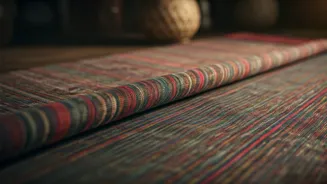
The core mission of the Bengal Home Industries Association, established in Kolkata around 1916-1917, was to provide a vital platform for reviving and supporting the traditional cottage industries and handicraft sectors of Bengal. Founded by prominent citizens like Gaganendranath Tagore and Lady Carmichael, the association committed to ensuring that artisans received fair compensation for their exceptional work. Over its more than a century of operation, the BHIA has consistently championed a diverse array of Bengal's crafts, encompassing everything from exquisite handlooms like Tangail, Dhaniakhali, and Phulia weaves, originating from regions such as Hooghly, Midnapore, Birbhum, and Bankura, to intricate Dokra metalwork and beautiful terracotta pieces. The iconic 'Carmichael Duck' logo, still visible on signature pottery items, serves as a reminder of Lady Carmichael's early support for the project, symbolizing the enduring partnership between the association and its creators.
From Resolution to Legacy
The genesis of this significant heritage store, which proudly showcases the creations of artisans from every district across Bengal, can be traced back to 1915. It began with a resolution moved at the Bengal Legislative Council by Surendranath Banerjea, who sought governmental aid to bolster the Bengal weavers' community. This crucial resolution was passed in 1916 by Beatson-Bell, the then state chief secretary under British rule. Subsequently, the Bengal Home Industries Association was formally registered as a philanthropic, non-profit organization. The store has occupied various rented spaces throughout its 110-year existence before finally finding a permanent home at the intersection of Rashbehari Avenue and Lake Road. The impetus for its establishment was also fueled by the profound impact of the Partition of Bengal, which starkly revealed the precarious situation of artisans. Recognizing the urgent need for constructive action, influential figures like Surendranath Banerjea, a key figure in the Indian National Congress, and Gaganendranath Tagore, whose artistic contributions were shaping Bengal's cultural narrative, united in their vision to support these craftspeople.
Global Recognition and Future
The importance and unique appeal of the Bengal Home Industries Association have been recognized by international visitors, highlighting its role in safeguarding cultural heritage. Barbara Voss, the German consul-general in Kolkata, expressed her admiration, stating she had never encountered a store so dedicated to promoting West Bengal's cultural heritage for over a century. She particularly lauded the association's efforts to prevent the extinction of the crafts and the works of the people of West Bengal, noting her fascination with witnessing the artisans' creation process firsthand. This appreciation underscores the global significance of the BHIA's mission. Looking ahead, the association is actively engaged in fostering broader cultural exchange, participating in exchange agreements with other Indian states to showcase traditional art and craft, thereby expanding the reach and impact of Bengal's artistic traditions on a national scale.