



A Desperate Dig
In 2011, Rethnamma and her family embarked on a mission to find a reliable source of drinking water, digging a borewell on their property. Their efforts, however, yielded only muddy water, even after reaching
depths of over 75 feet. The family had invested more than Rs 5,000 with no success, leading them to consider abandoning the project and sealing the well. It was during the process of closing the pipe that an accidental spark from a nearby match ignited a flame erupting from the well's opening, revealing an astonishing and potentially dangerous anomaly that left the workers stunned.
From Fear to Flame
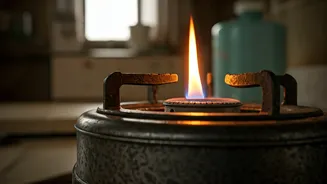
Despite the initial shock and fear, Rethnamma, unwilling to let her investment go to waste, made an unconventional request: to connect the borewell's pipe directly to her kitchen stove. The first culinary test involved making black coffee, which seemed ordinary, with no discernible smell or taste difference. Her husband, Rameshan, remained deeply apprehensive, fearing a catastrophic accident that could endanger the entire village, spending their first night with buckets of water ready. However, as days turned into months and then years, their apprehension gradually transformed into confidence as the borewell gas consistently powered their cooking without incident.
Scientific Insight
Experts later identified the gas emanating from the borewell as methane, a common component of natural gas. Teams from the Geological Survey of India (GSI) and the Oil and Natural Gas Corporation (ONGC) investigated the unique phenomenon. While they confirmed the presence of methane, their surveys indicated no significant underground reserves in the immediate vicinity. Interestingly, similar minor gas traces were noted in neighboring borewells, but no other residents dared to harness it for domestic use. The GSI deputy director general clarified that there are no legal impediments to using gas from a borewell for personal purposes, unlike industrial gas generation which requires specific governmental clearances.
Accidental Resilience
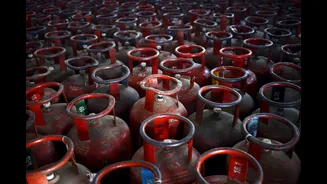
For Rethnamma's family, this accidental discovery has brought substantial financial relief, with an estimated annual saving of around Rs 10,000 on LPG expenses. In a global landscape marked by fluctuating fuel supplies and escalating energy costs, this household in Alappuzha exemplifies remarkable self-sufficiency. What began as a failed attempt to find water ultimately evolved into a dependable energy source, providing a steady flame for their kitchen and serving as a unique testament to human adaptability and the unexpected rewards of perseverance.