
Unveiling Commute Leaders
The list of cities with the longest commutes in Asia is a reflection of the rapid urbanization and population growth that many cities have experienced. The city with the longest commute time is often a hub
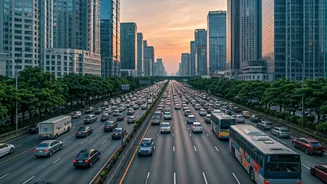
of economic activity, drawing people from all around. It's a stark reminder of the trade-offs involved in urban living. These commutes are not just about time; they also affect the quality of life, productivity, and overall well-being of the residents. Longer commutes can lead to increased stress, fatigue, and reduced time for leisure or family activities. The infrastructure and transportation systems play a key role in easing or worsening the situation. Factors such as traffic congestion, public transportation availability, and the distance between residential areas and workplaces heavily influence commute times.
Analyzing Commute Impact
Extended commute times in the cities covered have a ripple effect on various aspects of daily life. Firstly, the financial implications are significant, as commuters spend money on transport, which can add up considerably over time. Secondly, the impact on productivity is real. Hours spent in transit reduce the time available for work or other productive activities. Beyond the practicalities, there are also the well-being impacts. The stress and exhaustion associated with long commutes can lead to mental health concerns and a reduced sense of work-life balance. Furthermore, the environment also bears the brunt of these extended commutes, as increased vehicle emissions contribute to air pollution, which is a significant environmental concern in many of these cities.
Addressing Transportation Issues
To reduce commute times, many of these cities are investing heavily in transportation infrastructure and planning. This includes expanding public transportation networks, such as metro systems and bus rapid transit, to offer efficient alternatives to private vehicles. Optimizing traffic flow through intelligent traffic management systems and road expansions is another common approach. Moreover, urban planning strategies are being implemented to bring workplaces and residential areas closer together, reducing the distance traveled daily. Promoting the use of bicycles, walking, and other forms of active transport is also being done to make commuting more eco-friendly and to improve public health.
Life Beyond Commuting
Beyond the challenges of long commutes, the cities covered offer vibrant and diverse living experiences. Cultural attractions, culinary delights, and career opportunities all make these locations attractive. Despite the daily grind of the commute, the residents are adapting. Many people are maximizing their commute time by engaging in activities such as reading, listening to podcasts, or working remotely. The constant efforts of city planners and authorities to improve the transportation infrastructure, combined with the resilience of the residents, ensure that these cities remain desirable places to live and work, even with the lengthy commutes that many face daily.