


Eclipse Timing Breakdown
On March 3, 2026, a magnificent total lunar eclipse will occur, offering a breathtaking spectacle for skywatchers. The penumbral phase, where the Earth's faint shadow begins to obscure the moon, commences
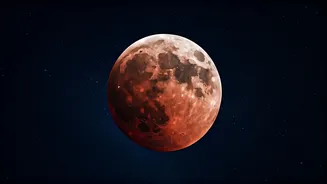
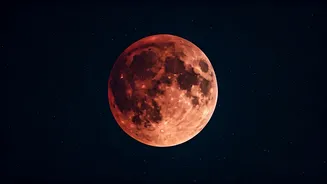
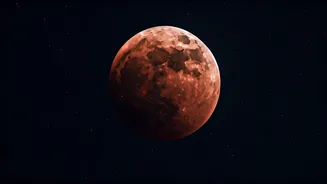
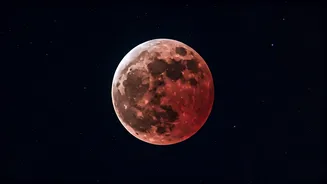
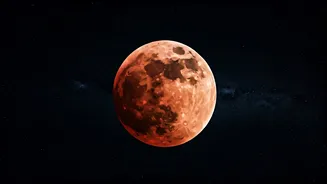
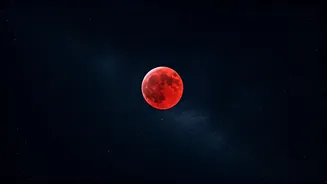
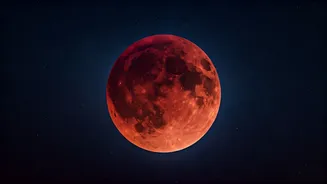
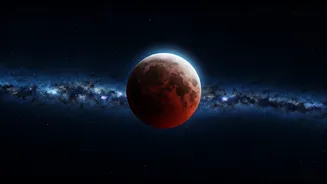
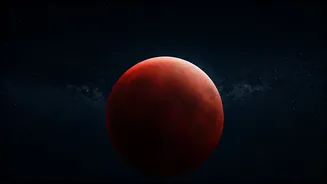
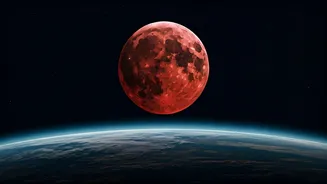
at 00:51 IST. This is followed by the partial eclipse at 01:47 IST, marking the moon's gradual entry into the Earth's darker umbra. The most anticipated phase, the total eclipse or 'blood moon,' where the moon will likely take on a reddish hue, begins at 03:01 IST and will last for an impressive 51 minutes, concluding at 03:52 IST. Subsequently, the partial eclipse phase will resume at 04:07 IST, and the entire event will conclude with the penumbral phase ending at 06:21 IST. This extended duration ensures ample opportunity for observers to witness the captivating transformation of our lunar neighbor.
City-Specific Visibility
For residents across India, the visibility of the March 3, 2026, total lunar eclipse will vary based on location and local conditions, though the entire event will be visible from most parts of the country. Cities like Mumbai and Delhi will have excellent views of the entire eclipse sequence, provided clear skies prevail. In Kolkata, the eclipse will also be fully observable, starting in the early hours of March 3rd. Chennai and Bangalore will similarly experience the full celestial show, with the total phase being a highlight. It's crucial to check local weather forecasts closer to the date, as cloud cover can significantly impact viewing quality. Areas with less light pollution will offer a more profound experience, allowing for clearer observation of the moon's subtle color changes during totality.
Your Viewing Essentials
To fully appreciate the total lunar eclipse on March 3, 2026, a few preparations will enhance your experience. While no special equipment is strictly necessary, binoculars or a telescope can offer a more detailed view of the moon's surface and the subtle color variations during totality. A comfortable seating arrangement, perhaps a blanket or chairs, will be beneficial for extended viewing periods. Remember to dress warmly, as early morning hours can be chilly. If you plan to photograph the event, a tripod will be essential for steady shots, especially during the dimmer phases. Familiarizing yourself with the eclipse's timing beforehand will ensure you don't miss any key moments. Sharing the experience with family and friends can add another layer of enjoyment to this natural wonder.