






Airfare Surge Explained
The geopolitical tensions in West Asia have triggered a significant escalation in air travel costs, particularly affecting routes to Europe and the US, where fares have reportedly quadrupled or quintupled.
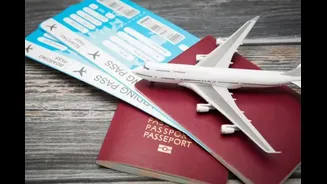
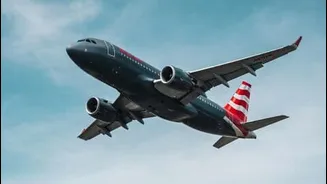
This drastic rise is attributed to airlines being compelled to reroute flights, bypassing airspace in the Gulf region due to safety concerns arising from missile and drone attacks. This diversion adds to operational complexities and fuel consumption. Similarly, journeys to South-East Asia and Australia are also experiencing fare hikes. A tangible demonstration of this trend is Air India's introduction of additional charges. For domestic and SAARC country travel, a fuel surcharge of Rs 399 has been implemented. Furthermore, for travel to South-East Asia, the existing surcharge has been increased by $20, escalating from $40 to $60 per ticket, which translates to approximately Rs 5,500. These measures directly translate into higher ticket prices for consumers, making air travel considerably more expensive.
LPG Crisis Impact
Beyond the escalating airfares, a pervasive commercial LPG crisis is creating another layer of apprehension for potential holidaymakers. This shortage has led to concerns about the operational stability of hotels and restaurants, impacting their ability to provide essential services like food. This uncertainty is a significant deterrent, making people hesitant to book holidays. Travel agents highlight that for many, the idea of traveling and then facing a situation where basic amenities are unavailable is a major concern, leading to a noticeable decline in demand, even for domestic travel. This challenging environment is being described by industry insiders as the most difficult period since the COVID-19 pandemic, underscoring the severity of the combined economic and geopolitical pressures on the travel sector. The industry is facing a significant slump in bookings, with a palpable lack of interest from potential travelers.
Summer Holidays Uncertain
The confluence of rising airfares and the LPG crisis has cast a substantial question mark over the viability of summer holiday breaks for many Indians. Travel professionals are advising clients to exercise caution and monitor the evolving situation before committing to travel plans. While flight cancellations typically result in fare refunds, the situation becomes more complicated for hotel bookings and local transportation arrangements, which may not offer the same assurances. Some industry leaders are suggesting that if the current conflict in West Asia does not conclude soon, the entire summer holiday season could be effectively wiped out, severely impacting the tourism industry. This scenario is particularly concerning as the summer season usually accounts for a significant portion, approximately one-third, of the annual travel trade business. The disruption is particularly acute for outbound tourism, as about 40% of Indian travelers opting for international trips utilize Gulf carriers, which are severely affected by the current situation. This dual impact of increased outbound costs and potential inbound travel hesitancy paints a bleak picture for the sector.