






What is Sattu?
Sattu is a nutritious flour made from roasted gram, and it forms the heart of Sattu Paratha. The process of making sattu involves dry roasting chana dal (split chickpeas) until they achieve a rich, nutty
flavor. Once cooled, these roasted chickpeas are ground into a fine powder. This powder is not only a source of protein and fiber but also adds a unique earthy flavor that distinguishes Sattu Paratha from other paratha variations. It is a staple food item in Bihar, providing a filling and energizing base for numerous regional dishes, and is often combined with various spices and seasonings to further enhance the flavor.
Filling Preparation
The preparation of the filling for Sattu Paratha is where the magic begins. Start by combining sattu with finely chopped onions, green chilies (adjust to your spice preference), ginger-garlic paste, and a blend of aromatic spices like ajwain (carom seeds), black salt, and coriander powder. Adding a squeeze of lemon juice introduces a tangy note that balances the savory flavors. The mixture is then moistened with a bit of mustard oil, which imparts a distinctive aroma and taste. Thoroughly mixing all ingredients ensures that the filling is well-combined and flavorsome. Ensure the consistency is slightly moist but not overly wet, so it can be easily stuffed inside the dough without leaking. This flavorful sattu mixture is the soul of the paratha, bringing a unique taste to the dish.
Dough Preparation
The dough's quality is vital for a perfect Sattu Paratha. The dough typically uses whole wheat flour. Combine the flour with a pinch of salt and gradually add water, kneading until a smooth, pliable dough forms. The dough's consistency should be soft and elastic, neither too hard nor too sticky. Allowing the dough to rest for at least 30 minutes is crucial. This resting period lets the gluten relax, making the dough easier to roll and preventing it from shrinking back. Cover the dough while it rests to prevent it from drying out. This also allows the flavors to meld, leading to parathas that are more tender and flavorful. Proper dough preparation guarantees that the parathas are soft and don't break during cooking.
Stuffing and Rolling
Stuffing the sattu filling into the dough and rolling it out requires care. Take a portion of the dough and flatten it into a small disc. Place a generous amount of the prepared sattu filling in the center. Carefully bring the edges of the dough together, sealing them tightly to enclose the filling. Gently press the dough ball to flatten it slightly. Roll out the stuffed dough into a paratha of your preferred thickness using a rolling pin. Be gentle to prevent the filling from bursting out; start from the center and move outwards. Proper sealing and careful rolling are essential to prevent the filling from leaking and to achieve evenly cooked, well-stuffed parathas. Skillfully stuffed and rolled parathas offer a delightful blend of textures and flavors.
Cooking the Paratha
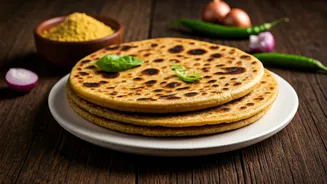
The final stage involves cooking the parathas on a hot griddle or tawa. Heat the tawa over medium heat and place the rolled paratha on it. Cook until golden brown spots appear on the bottom side. Flip the paratha and apply a little ghee or oil to the cooked side. Cook the other side until golden brown, pressing gently with a spatula to ensure even cooking and puffing. Repeat the process, applying ghee or oil and flipping the paratha until both sides are well-cooked and crispy. Ensure you cook the paratha evenly, allowing the filling to heat through and the dough to become golden. Properly cooked Sattu Parathas have a crispy exterior and a soft, flavorful filling, best enjoyed fresh off the tawa.
Serving Suggestions
Sattu Parathas taste best when served hot, accompanied by various side dishes. A traditional pairing is with a bowl of fresh yogurt, which cools and complements the savory flavors of the paratha. A side of pickle, such as mango or chili pickle, adds a spicy and tangy counterpoint. You can also serve it with a simple tomato chutney or a bowl of dal. Another great accompaniment is a cup of hot tea or a refreshing lassi. The versatility of Sattu Paratha allows for flexible serving, making it perfect for breakfast, lunch, or dinner, with the choice of accompaniments greatly enhancing the dining experience. A good combination of sides elevates the taste of these parathas to another level.