





Brewing Crisis Unveiled
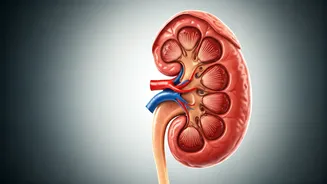
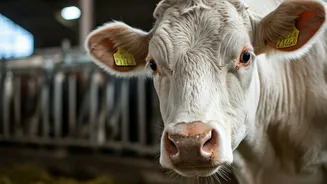
A grim public health emergency has unfolded in Rajahmundry, where a significant number of acute renal failure cases have been directly attributed, through strong epidemiological evidence, to milk sourced
from one particular dairy located in the Lalacheruvu area. The severity of the situation led East Godavari Collector Keerthi Chekuri to submit a detailed report to the State government. This report highlighted a striking pattern of milk consumption among the affected households, prompting swift and decisive action, including the immediate cessation of milk distribution from the implicated dairy. Tragically, the outbreak has resulted in four fatalities thus far, with an additional 14 individuals currently hospitalized and receiving critical care. Among those admitted, a worrying five are reliant on ventilators, underscoring the acute nature of their condition, while the remaining patients are being closely monitored and are in a stable state under continuous medical supervision. This situation underscores the critical importance of stringent food safety standards and rapid response mechanisms in preventing widespread public health crises.
Unraveling Contamination
Health officials have pinpointed a probable cause for the devastating outbreak: a suspected leakage of ethylene glycol from a freezer unit at the dairy. Health Commissioner Veerapandian, alongside Institute of Preventive Medicine Director Neelakantha Reddy, addressed reporters, explaining the dangerous implications of such contamination. They clarified that while urea contamination typically leads to kidney and liver issues only after extended consumption, ethylene glycol can induce severe and rapid health complications, often within a mere three to four days. This swift onset is a key factor in the urgency of the ongoing medical response. The affected individuals range from a five-month-old infant to adults, with seven patients currently in a particularly critical condition. To address the immediate medical needs, essential medicines are being urgently procured from major medical hubs like Chennai and Mumbai, based on the expert recommendations of senior nephrologists. This multi-pronged approach, involving immediate containment, rapid medical intervention, and expert consultation, is crucial in managing this unfolding crisis and mitigating further harm.
Response and Vigilance
In the wake of the Rajahmundry renal failure outbreak, a robust public health response has been initiated to manage the crisis and monitor affected communities. Dedicated medical teams have been deployed to work around the clock in the localities impacted by the contaminated milk, ensuring immediate care and ongoing health surveillance. This intensive monitoring is slated to continue for at least a month, providing a crucial window for early detection of any delayed symptoms or secondary complications. Reinforcing the critical care efforts, Dr. Raviraju, a nephrologist from Visakhapatnam, has been actively involved in reviewing treatment protocols at KIMS and Rainbow Hospitals, operating under the direct supervision of Collector Keerthi Chekuri. His oversight ensures that patients are receiving the most appropriate dialysis and care in accordance with established medical guidelines. Simultaneously, law enforcement agencies are conducting thorough investigations, focusing on the dairy's internal practices, particularly its storage methodologies and the maintenance of its refrigeration units, to ascertain the precise cause and identify any systemic failures. Adding another layer of public safety, the Food Safety Department has launched a statewide inspection drive targeting milk vendors, storage facilities, and wholesale dealers, commencing this Wednesday. This comprehensive initiative aims to verify operational licenses and collect fresh samples to ensure adherence to safety standards across the board.