






Bulk Drinking Myths
Many individuals have a habit of consuming large quantities of water in a single sitting, often after extended periods without drinking. While this might offer a temporary sense of satisfaction, it's an inefficient
method for actual hydration. The human body processes water in stages, and when an excessive amount is ingested rapidly, the kidneys are prompted to expel the surplus. This leads to frequent trips to the restroom and minimal benefit in terms of sustained hydration. Dr. Mazumder clarifies that the body can only effectively utilize a limited amount of water at any given moment; any excess is quickly eliminated, rendering the effort largely futile. To optimize absorption and retention, it's far more beneficial to distribute water intake evenly throughout the day, allowing your system to process and hold onto fluids more effectively.
Lifestyle's Hidden Role
Beyond mere water consumption, your daily routines and dietary choices significantly influence your hydration levels. Spending prolonged periods in air-conditioned environments, coupled with a sedentary lifestyle and a diet high in processed foods, can disrupt the body's fluid equilibrium. Highly salty and processed items, in particular, can throw off the delicate balance of fluids. Conversely, a lack of fresh fruits and vegetables diminishes your intake of naturally water-rich foods. As Dr. Mazumder points out, insufficient consumption of these fresh foods means you may not be getting adequate hydration from your diet. Furthermore, stress plays a crucial part; it can impact hormones that regulate fluid balance, making your body less efficient at retaining necessary water.
Minerals: The Missing Link
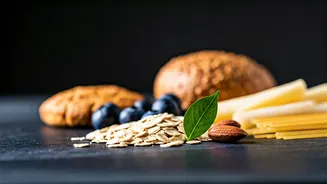
Simply drinking water is often insufficient for optimal hydration because the body requires support from essential minerals. Nutrients like potassium, magnesium, and natural salts are vital for maintaining fluid balance within your cells. Incorporating foods rich in these minerals, such as fruits like bananas and oranges, or vegetables like spinach and cucumber, can make a substantial difference. Even simple, home-cooked meals can contribute positively. Dr. Mazumder emphasizes that water alone isn't the complete solution; adequate levels of minerals like sodium and potassium are necessary for the body to effectively retain water inside its cells. Research corroborates this, with studies indicating that diets deficient in fruits and vegetables can lead to reduced effective hydration, underscoring that true hydration begins with what you eat, not just what you drink.
Beyond the Bottle
A prevalent assumption is that adequate hydration is solely a matter of drinking enough water, but this overlooks the body's complex fluid management system. It's not merely a storage tank but a dynamic system that constantly balances fluids, minerals, and cellular requirements. This explains why some individuals who diligently refill their water bottles may still experience fatigue, mental fogginess, or even signs of dehydration. Medical professionals now highlight that the core issue isn't just the quantity of water consumed, but how effectively the body absorbs and retains these fluids. This efficacy is influenced by a combination of the timing of intake, nutritional choices, and established daily habits.
Fluid Equivalents & Cautions
It's a common misconception that all beverages contribute equally to hydration. This isn't always the case, as certain drinks, like those containing caffeine or alcohol, can act as mild diuretics. This means they can increase urine production, potentially leading to fluid loss, especially when consumed in larger quantities. Dr. Mazumder notes that while drinks such as coffee or soda might quench immediate thirst, they don't actively help the body retain water. This doesn't necessitate complete abstinence from these beverages, but rather an awareness of their impact. A single cup of coffee might not be detrimental, but replacing water with caffeinated drinks throughout the day can gradually create a deficit in your body's hydration.
Proactive Hydration Habits
Improving hydration is less about drastically altering intake and more about refining daily habits. Prioritize drinking water in smaller, consistent amounts throughout the day, rather than in large gulps. Complement this with balanced meals that include water-rich fruits and vegetables. Be mindful of your consumption of caffeinated and alcoholic beverages. Crucially, pay attention to your body's signals and how you feel, rather than solely focusing on the volume of water consumed. Dr. Mazumder encapsulates this by stating that drinking water should be integrated into your lifestyle, alongside maintaining a healthy diet. This holistic approach respects the body's natural functioning and leads to more effective, sustained hydration.
The Thirst Signal
Many people tend to wait until they feel thirsty before reaching for a drink. However, by the time thirst signals appear, the body may have already experienced a degree of fluid loss. As Dr. Mazumder explains, 'When you feel thirsty, your body might already be slightly dehydrated.' Early indicators of this subtle dehydration can often go unnoticed, manifesting as fatigue, headaches, or difficulty concentrating. While these symptoms aren't exclusively linked to hydration, they are frequently related. Therefore, effective hydration involves being proactive and staying ahead of thirst, rather than merely reacting to it once it arises.