






Prime Tiger Havens
Exploring the heart of India's wilderness, the quest for tiger sightings is often a top priority for wildlife enthusiasts. Several national parks across North India boast significant tiger populations,
and the choice of the right safari gate can greatly influence your chances of success. It's essential to understand that tiger sightings are not guaranteed, as these animals are elusive, but certain gates offer a higher probability due to habitat characteristics, conservation efforts, and tiger density. Selecting the appropriate gate and planning your safari during peak season are crucial steps in maximizing your experience and potentially capturing memorable glimpses of these magnificent animals. These gates provide access to prime tiger habitats, but it's important to remember that the natural world is unpredictable, and every safari is unique.
Ranthambore National Park
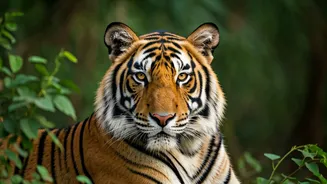
Ranthambore National Park in Rajasthan, known for its iconic tigers, is a significant location for tiger sightings. The park is divided into several zones, with each gate offering access to a different part of the tiger's domain. Gates 1 to 5 are particularly popular, as they often lead to areas with high tiger activity. The park's diverse terrain, comprising historical forts, lakes, and dense forests, provides an ideal habitat for tigers, encouraging a robust tiger population. Tourists should book safaris in advance and be prepared for early morning expeditions, as this is when tigers are most active. The park's management continuously monitors the tiger population and safari routes to ensure that visitors have the best chances of observing these magnificent creatures while minimizing disturbance to their environment. Ranthambore is known for its high tiger density, making it one of the most reliable locations for tiger spotting in India.
Corbett National Park
Corbett National Park, located in Uttarakhand, is another premier destination for tiger safaris in North India. This park, rich in biodiversity, is home to a significant number of tigers, and its safari gates offer a great opportunity for viewing them. The Dhela and Jhirna zones are known for consistent tiger sightings. These gates provide access to a variety of habitats, including grasslands, riverbeds, and dense Sal forests, which contribute to a diverse ecosystem that supports a thriving tiger population. It’s important to remember that while certain gates are known for higher sighting frequencies, no guarantee can be made. Park authorities manage the zones carefully to ensure visitor experience while preserving the ecological balance of the area. Corbett National Park's reputation for its conservation efforts and high tiger density makes it a rewarding choice for wildlife enthusiasts.
Kanha National Park
Kanha National Park, situated in Madhya Pradesh, offers unique landscapes, providing a suitable habitat for tigers. While not directly in North India, it’s often included in safari circuits. The park is celebrated for its lush Sal and bamboo forests, rolling grasslands, and significant tiger population. The safari gates provide access to territories where tigers are known to roam. It's crucial for visitors to book their safaris through authorized channels and to follow park regulations to minimize the impact on the environment. Kanha offers a less crowded safari experience, providing opportunities for in-depth observations of wildlife. The park management works tirelessly to protect its tigers and their habitats through conservation strategies. This commitment has led to a stable tiger population and improved sighting possibilities for visitors, making Kanha a valuable spot for those seeking wildlife encounters.
Bandhavgarh National Park
Bandhavgarh National Park, also located in Madhya Pradesh, is renowned for its high tiger density. The park’s core area is relatively small, which makes it easier to spot tigers. The safari gates provide access to territories where tigers are frequently seen. Its blend of grasslands, hills, and dense forests creates an optimal environment for tigers to thrive. The park is particularly known for its open grasslands, which allow for better visibility. Planning your safari during the cooler months, such as from November to May, typically increases your chances of spotting tigers. The park’s dedication to tiger conservation has increased the population, making it one of the best locations for tiger safaris. Visitors can look forward to thrilling experiences and close encounters with the magnificent Bengal tiger.