
Energy Demand Rising
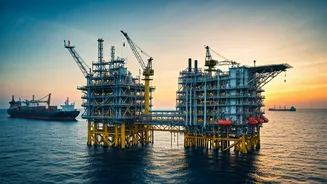
India's prominence in the global energy landscape is increasing, and it is poised to significantly impact global energy demand. Industry leaders predict that India's oil consumption will remain above 100
million barrels per day. This signifies the country's continued reliance on oil to fuel its economic expansion and meet the energy needs of its large and growing population. The substantial demand underscores India's strategic importance in the global energy market and its role in shaping future consumption patterns. This sustained demand is linked to various factors, including industrial growth, increased urbanization, and rising consumer spending. Therefore, understanding India's energy trajectory is critical for forecasting global energy trends.
Horticulture Hub Emerges
Kadiyam has emerged as a major hub for horticulture in India. This development showcases the country's diverse agricultural landscape and its focus on specialized farming practices. The area is becoming a vital center for the production of various horticultural products. This success can be attributed to several factors. These factors include favorable climatic conditions, the availability of skilled labor, and strategic government initiatives aimed at boosting agricultural productivity. Kadiyam's growth also reflects a broader trend of agricultural diversification across India, aimed at improving food security and supporting rural livelihoods. This area serves as a prime example of how targeted investments and innovative agricultural practices can generate positive economic and social outcomes.
Green Ammonia Plant
A Green Ammonia Plant is set to be inaugurated in Kakinada by the Chief Minister, marking a significant step towards sustainable energy solutions. This initiative is a testament to India's commitment to renewable energy and reducing its carbon footprint. The plant is expected to contribute to the production of green ammonia, a crucial element in various industrial processes, while also promoting the use of cleaner energy sources. The construction of the plant is in line with the government's broader efforts to facilitate the transition towards a low-carbon economy. This includes implementing favorable policies and attracting investments in the renewable energy sector. The Kakinada plant represents a concrete step in achieving national goals for environmental sustainability and energy security.
Maruti Suzuki's Investment
Maruti Suzuki is making a large investment by committing Rs 35,000-crore to build a new plant in Gujarat, highlighting the company's strong belief in India's growth potential. This investment underscores the company's long-term vision and its commitment to expanding its manufacturing capacity. The new plant is expected to boost employment opportunities and stimulate economic activity in the region. This decision reflects the favorable business environment that India offers, attracting significant investments from both domestic and foreign companies. The new plant in Gujarat is anticipated to increase production and cater to the growing demand for automobiles in the country. Maruti Suzuki's investment is an indication of the auto industry's optimistic outlook and its faith in India's robust economic growth.
PM Modi's Vision
In his 'Mann ki Baat', Prime Minister Modi encouraged the youth to focus on producing top-quality products. This message underscores the importance of quality, innovation, and global competitiveness in the current economic landscape. The Prime Minister's words reflect the government's broader strategy to support and encourage local manufacturing. This includes improving product standards, promoting skill development, and fostering an environment of innovation. By emphasizing the need for top-quality products, the government aims to empower Indian businesses and make them globally competitive. This vision is part of a larger plan to transform India into a global manufacturing hub and drive sustainable economic development. This initiative highlights the pivotal role of the youth in achieving the nation's economic goals.