





Tribunals Commence Operations
In West Bengal, a crucial step towards resolving electoral disputes has been taken with the commencement of operations by 19 appellate tribunals. These bodies are now empowered to hear appeals concerning
the inclusion or exclusion of voters from the electoral roll. Their launch follows the recent freezing of the second-phase poll electoral list and comes 23 days after their official formation by the Election Commission. The designated venue for these hearings is Dr. Syama Prasad Mookerjee National Institute of Water and Sanitation in Joka, Kolkata. The tribunals are equipped with retired judges, including prominent figures like Justice T.S. Sivagnanam, former Chief Justice of the Calcutta High Court, Justice Manjula Chellur, formerly Chief Justice of the Bombay High Court, and Justice Biswajit Basu. While their formation was notified on March 20, post the Supreme Court's order on March 10, they had only processed four appeals mentioned in the apex court until this point.
Infrastructure and Support Systems
Extensive preparations have been made to ensure the smooth functioning of these appellate tribunals. On Sunday, a delegation comprising retired judges, Chief Secretary Dushyant Nariala, and Chief Justice Sujoy Paul conducted an inspection of the Joka institute's facilities. The infrastructure includes 119 computers set up to manage the adjudication process, and approximately 200 micro-observers will be involved in overseeing the proceedings. Each presiding judge will be supported by a team of four to five staff members, who have undergone specific training on document scrutiny and procedural tasks. Essential office furniture has been arranged, and around 100 computers have been procured on rent. These arrangements are designed to facilitate efficient processing of the numerous appeals expected to be filed.
Voter Grievances Surface
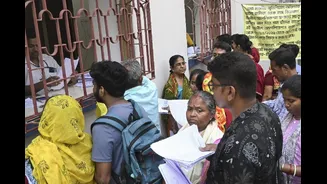
Even as inspections were underway, several individuals arrived at the institute seeking information about the tribunals. Many expressed confusion and distress over the deletion of their names from the voter list, despite having filed appeals. Suvankar Das, a 37-year-old resident of Haridevpur, shared his predicament: his name and his mother's were removed, while his father and wife's names cleared scrutiny. The stated reason for his exclusion involved an age discrepancy related to his deceased grandfather. His mother, Lily Das, who has resided and voted in Behala East for years, was equally perplexed by the sudden deletion. Both had submitted appeals, including official documents like passports, but had not received any notification for a hearing, leading to uncertainty about their ability to vote in the upcoming polls.
Adjudication Process and Scope
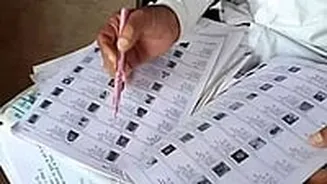
These newly formed tribunals serve a critical role in addressing appeals from voters whose names were rejected during the judicial officer-led adjudication process for the electoral roll. A significant number of electors, over 27 lakh out of approximately 60 lakh cases marked 'under adjudication,' were excluded from the supplementary lists. These individuals now have the recourse to appeal to the tribunals. To standardize the operational procedures for these tribunals, a three-member judges' committee, constituted by the Calcutta High Court as per the Supreme Court's directive, has been formed. This committee includes former Chief Justice T.S. Sivagnanam and Justices Pradipta Roy and Pranab Kumar Deb, tasked with drafting the Standard Operating Procedures (SOPs) for the tribunals' functioning.