
Boosting Capital Outlay
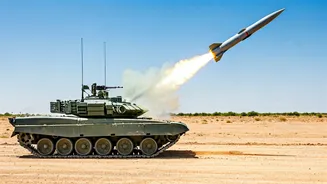
One of the primary expectations for the 2026 defense budget revolves around a hike in capital outlay. This is not merely about increasing expenditure; it's about strategically allocating funds to modernize
India’s military infrastructure and acquire advanced weaponry. A substantial increase in capital outlay would empower the armed forces to procure state-of-the-art equipment, from fighter jets and warships to sophisticated surveillance systems and advanced missile technology. This investment would not only enhance the operational capabilities of the defense forces but also contribute significantly to India's self-reliance in the defense sector, known as ‘Atmanirbharta’. Such measures are crucial for the long-term strategic interests of the nation and its ability to safeguard its borders. Increased capital outlay also has the added benefit of boosting the domestic defense industry through increased demand. This can lead to job creation, technological advancements, and a stronger, more resilient defense ecosystem.
Prioritizing 'Atmanirbharta'
The concept of ‘Atmanirbharta’ or self-reliance is a cornerstone of the Indian government's defense strategy. The 2026 budget should reflect a strong commitment to this principle. This means prioritizing the procurement of equipment and technologies developed within India. It also involves investing in research and development to foster indigenous innovation. A focus on ‘Atmanirbharta’ would lessen the dependence on foreign suppliers, thus improving national security and bolstering the domestic economy. This approach can be realized through incentives for local manufacturers, streamlined procurement processes, and greater collaboration between the government, defense industries, and research institutions. The aim is not just to build military hardware, but to create a sustainable ecosystem where India can design, develop, and manufacture its defense requirements indigenously. This vision requires significant investment and unwavering political backing, but the long-term advantages in strategic autonomy and economic prosperity are substantial.
Modernizing Infrastructure
Alongside equipment procurement, the 2026 defense budget must address the need for infrastructure modernization. This includes upgrading existing military bases, expanding logistics networks, and constructing new training facilities. Upgraded infrastructure is vital for supporting the operation and maintenance of advanced weaponry and equipment. It also ensures the armed forces have the necessary resources for effective training and deployment. Investment in infrastructure is particularly important along the country's borders, where enhanced surveillance, communication, and logistical support systems are crucial. Prioritizing infrastructure development also boosts job creation and stimulates economic growth in the areas where these projects are undertaken. Modernized infrastructure creates a more efficient and effective defense apparatus that's capable of addressing present-day and future security challenges. It enhances the overall readiness and responsiveness of India's armed forces.
Focus on Future Technologies
The 2026 defense budget ought to place a strong focus on future-oriented technologies. This involves investing in areas like artificial intelligence, cyber security, drone technology, and space-based capabilities. These technologies are set to redefine warfare in the coming years, and India must stay at the forefront. Funds allocated to research and development in these domains can provide a significant strategic advantage. Collaboration with academic institutions, startups, and private sector companies could foster rapid innovation and enable the armed forces to adapt quickly to emerging threats. Investments here must be strategically focused, with an emphasis on acquiring critical skills, developing indigenous solutions, and integrating these technologies into the existing defense framework. By prioritizing future technologies, India can ensure its military readiness and its ability to address complex and evolving security challenges in the coming years.