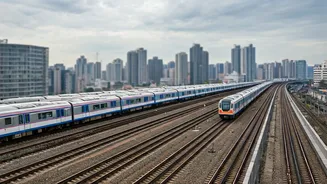








Commute Time Issues
The research focuses on pinpointing Asian cities where daily commutes are particularly extended. The study considers various aspects contributing to these lengthy travel times, including transportation
infrastructure, traffic congestion, and urban planning layouts. These elements directly affect how quickly people can move from their homes to their workplaces and back. The article aims to show the common challenges people face in these locations. It seeks to outline the effects of spending a large amount of time traveling, touching on aspects like personal well-being, work productivity, and overall lifestyle quality. The goal is to provide a detailed view of the realities of commuting in these busy urban areas, offering insights into the impact on the everyday lives of the people who live and work there.
Top 10 Cities List
The article likely presented a list of the 10 Asian cities with the longest commute times. Each city possibly had specific details about its commute challenges. The information could have included the average commute duration, the most common modes of transport, and the main reasons for delays. The list was probably not just a ranking but also included insights into the experiences of the people who live and work in these cities. This included details about the types of transportation they use and the difficulties they regularly face. For example, some cities may have high levels of traffic congestion, while others might have underdeveloped public transport systems. The analysis was likely to cover a wide variety of cities, each with unique circumstances that contribute to the length of their commutes. This paints a detailed picture of the challenges faced across different urban areas in Asia.
Factors Influencing Commute
Several factors play a crucial role in determining how long people spend commuting in these Asian cities. Traffic congestion, often caused by a combination of high vehicle volumes and inadequate road infrastructure, is a major contributor to delays. In many cases, the state of the public transportation system, whether it is efficient or overcrowded, significantly impacts travel times. Also, the city's design, including how far apart residential areas are from business districts, can increase commuting distances and duration. The population density in the area plays a role, with densely populated areas generally facing more severe congestion problems. Any special events or construction projects can worsen the situation. Comprehending these factors is essential for grasping the overall picture of why commuting is a lengthy and challenging part of daily life for residents of these Asian cities.
Impacts on Residents
The extended commute times discussed likely impact the daily lives of residents in various ways. Longer commutes can lead to less personal time for leisure, family, and other activities. This can result in increased stress levels and potential health issues because of the pressure. Workplace productivity may also be affected if employees arrive at work tired or are regularly late. Financial burdens can increase as commuters spend more on transportation costs, whether for fuel, public transport fares, or vehicle maintenance. The analysis may have highlighted how these commutes affect the quality of life, the ability to balance work and personal life, and residents’ overall well-being. It helps show the real-world consequences of living and working in cities with the longest commute times.
Solutions and Strategies
The discussion may also consider possible ways to make commutes shorter and more manageable. The improvement of public transportation systems, like expanding train networks or providing better bus services, is one strategy. Also, investments in road infrastructure, such as building new roads and managing traffic flow efficiently, could reduce congestion. Encouraging more flexible work arrangements, like remote work or staggered work hours, could help to spread out the rush hour and reduce traffic. Urban planning that supports mixed-use development, where people can live, work, and shop in the same area, reduces commute distances. The article may have presented a range of solutions and strategies, considering both infrastructure improvements and policy changes, to offer potential paths to lessen the time people spend commuting in these cities.