






About Aloo Sabji
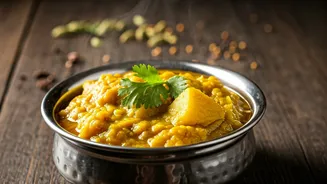
Aloo Sabji is a staple in Indian cuisine, a flavorful potato curry enjoyed across the country. It's often served with puri, paratha, or even as a side dish with rice. The beauty of Aloo Sabji lies in its
simplicity and versatility. The dish's appeal is rooted in its balance of spices and textures, making it a crowd-pleaser for any occasion. Street vendors, or 'halwais,' have perfected this dish, known for its distinct taste. In this guide, we'll replicate this restaurant-style version in your own kitchen.
Gathering Ingredients
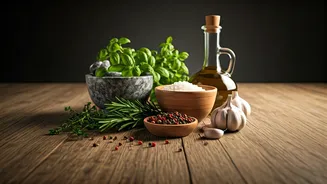
To make Halwai-style Aloo Sabji, you'll need a handful of essential ingredients. Start with potatoes, the star of the show; choose varieties that hold their shape when cooked. You'll also need onions, tomatoes, and ginger-garlic paste for the base of the gravy. Spices are crucial: cumin seeds, turmeric powder, coriander powder, red chili powder, and garam masala. Don't forget fresh coriander leaves for garnish, and cooking oil. These ingredients, when combined in the correct proportions, create the distinctive flavor profile of this dish. The quality of your spices influences the taste; consider using freshly ground spices where possible.
Preparing the Potatoes
The potatoes are prepared in a specific manner. Begin by boiling the potatoes until they are tender but firm. Once cooled, peel and cube them into medium-sized pieces. Alternatively, you can roast the potatoes, which will add a slight smoky flavor. Then, set the cooked potatoes aside to add to the gravy later. Ensure the potatoes do not become mushy during cooking; they should hold their shape. The size of the potato pieces affects the overall texture of the sabji, so uniformity is key. Different cooking methods impact the final taste, allowing for culinary flexibility depending on preference.
Making the Gravy
The gravy is where the magic happens. Start by heating oil in a pan, and add cumin seeds until they splutter. Next, add finely chopped onions and sauté until golden brown. Then, add ginger-garlic paste and sauté for a minute. Add chopped tomatoes and cook until they soften. Now, incorporate the spice powders: turmeric, coriander, and red chili. Sauté until the oil separates. This process is essential for releasing the flavors of the spices and creating a flavorful base. The cooking time of the gravy significantly impacts the taste; cook until the raw smell of the spices disappears. The balance of spices is key to the overall taste.
Combining the Flavors
Once the gravy is ready, gently add the cubed potatoes and mix. Add water, enough to create the desired consistency. Then, season with salt and bring to a simmer. Allow the flavors to meld together. For an authentic Halwai taste, add a pinch of garam masala at this stage. Simmer the sabji until the potatoes are heated through and the gravy has thickened slightly. The cooking time after adding the potatoes is crucial; it allows the flavors to integrate. Taste and adjust seasoning as necessary. Finally, garnish with fresh coriander leaves before serving.
Serving Suggestions
Halwai-style Aloo Sabji is delicious on its own, but it pairs well with several accompaniments. Serve it with hot puris or parathas for a complete meal. It also goes well with rice, creating a satisfying lunch or dinner. You can also pair it with other Indian dishes. Consider adding a side of raita to balance the spices. Presenting the sabji in an attractive manner can also elevate the dining experience. A simple presentation, accompanied by fresh condiments, is the ideal way to savor your homemade Aloo Sabji.