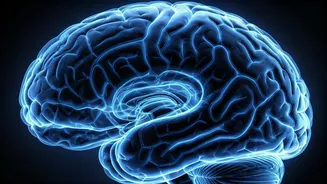






What is Cerebral Angiography?
Cerebral angiography is a highly specialized diagnostic procedure designed to meticulously visualize the intricate network of blood vessels within the brain. Often referred to as the 'gold standard' by
medical professionals, its primary function is to detect and assess any abnormalities or disruptions in cerebral circulation. The process involves the careful insertion of a thin, flexible tube, typically through an artery in the wrist or groin, which is then expertly guided to the brain. Once in position, a contrast dye is administered, making the blood vessels distinctly visible on X-ray imaging. This detailed mapping allows physicians to identify issues like blockages, aneurysms, or malformations with great precision. The entire examination is generally conducted under local anesthesia and is a relatively brief procedure, often taking around 30 minutes, after which patients can usually return home the same or next day, depending on their individual medical status.
Silent Symptoms to Watch
Many serious neurological conditions do not announce themselves with dramatic symptoms; instead, they often manifest through subtle, easily overlooked signals. Dr. Nitin Dange emphasizes that these quiet warnings can be easily dismissed as everyday fatigue or stress. However, these seemingly minor changes can be critical indicators of underlying vascular problems in the brain. Such signs might include an unusually intense headache, often described as the worst experienced, or sudden, unexplained episodes of fainting or seizures. Furthermore, experiencing sudden vision disturbances, such as blurring or loss, or noticing new weakness or numbness, particularly on one side of the body, are also significant indicators. Difficulties with speech, like slurring, or moments of confusion, alongside persistent feelings of dizziness or problems maintaining balance, should not be disregarded. Any of these symptoms could point towards compromised blood flow to the brain, necessitating a closer look.
When Angiography is Key
Cerebral angiography is not typically a routine examination; it is reserved for situations where other diagnostic methods or the presence of specific symptoms suggest a potential vascular issue within the brain. Its critical role becomes apparent when individuals exhibit clear signs suggestive of a stroke or a transient ischemic attack (TIA), also known as a mini-stroke. The test is also indispensable when there is a suspicion of an aneurysm, which is a bulge in a blood vessel wall, or an arteriovenous malformation (AVM), an abnormal connection between arteries and veins. Furthermore, individuals experiencing recurrent, unexplained neurological symptoms that lack a definitive diagnosis from less invasive tests may be candidates. It is also an essential tool for obtaining detailed imaging prior to or during specific therapeutic interventions, ensuring the best possible treatment plan is implemented.
Diagnosis and Treatment Synergy
A remarkable aspect of cerebral angiography is its dual capability, extending beyond mere diagnosis to encompass immediate therapeutic intervention in certain scenarios. As Dr. Dange highlights, the procedure can sometimes be used to actively treat detected problems on the spot. This could involve procedures like the removal of a blood clot that is causing a blockage, the strategic placement of a stent to reinforce a narrowed or weakened vessel, or the sealing of an aneurysm to prevent rupture. This means that the very same diagnostic imaging session that identifies a vascular issue can also be the session where it is resolved. For time-sensitive conditions like stroke, where every minute is critical, this integrated diagnostic and treatment approach can dramatically influence recovery, significantly reducing the likelihood of long-term disability and improving survival rates.
The Power of Early Action
The significance of timely medical evaluation and intervention, particularly in the realm of neurological health, cannot be overstated. Early detection and management of vascular problems in the brain are paramount in minimizing potential damage and enhancing patient outcomes. According to the National Institute of Neurological Disorders and Stroke (NINDS), prompt imaging of the brain's blood vessels plays a crucial role in improving recovery and increasing survival rates following a stroke. By acting on warning signs, even subtle ones, individuals and medical professionals can proactively address issues before they escalate into severe, life-altering events. This proactive approach ensures that appropriate treatments, whether diagnostic or therapeutic, are initiated swiftly, thereby safeguarding brain function and overall well-being.
Prevention is Key
While cerebral angiography serves as a vital tool for diagnosis and treatment, the most effective strategy against brain vascular issues remains prevention. Proactive lifestyle choices and consistent management of underlying health conditions are fundamental in reducing the risk of developing such problems. Maintaining healthy blood pressure levels is crucial, as hypertension is a significant risk factor for vascular disease. Similarly, keeping diabetes well-controlled is essential, as high blood sugar can damage blood vessels over time. Avoiding habits like smoking, which severely impairs vascular health, is also critical. The Indian Council of Medical Research (ICMR) underscores the heightened risk of stroke in India due to lifestyle-related diseases such as hypertension and diabetes, reinforcing the importance of these preventative measures.
A Window to Brain Health
It is important for individuals to understand that cerebral angiography is not a procedure to be feared. Instead, it should be viewed as a valuable diagnostic window into the intricate health of the brain's vascular system. When a medical specialist recommends this test, it is typically a necessary step towards gaining clarity about a potential issue and, in many instances, leads to effective relief and management of the condition. The insights provided by this advanced imaging technique empower healthcare providers to make informed decisions, ensuring that patients receive the most appropriate care for their specific neurological concerns. Ultimately, embracing this diagnostic tool, when advised, signifies a proactive commitment to preserving brain health and function.