





LPG Supply Chain Under Strain
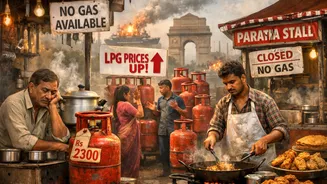
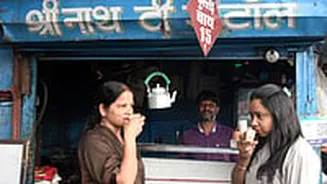
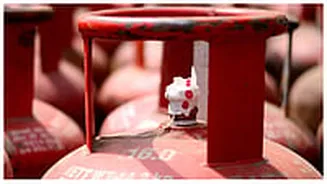
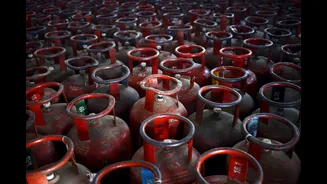
The hospitality sector in Prayagraj, encompassing around 1,000 hotels and restaurants, is grappling with an unprecedented crisis stemming from a severe shortage of commercial LPG cylinders. This scarcity,
exacerbated by global conflicts in West Asia which have disrupted supply chains, has significantly impacted the ability of these establishments to maintain consistent operations. Since the period following Holi, many businesses have found their LPG stocks depleted, forcing them to explore immediate alternatives. Some have resorted to using commercial induction stoves or even traditional coal stoves as temporary measures, but these solutions are not sustainable for long-term operations. The situation has become so dire that at least a dozen smaller eateries have been forced to close their doors permanently in the last ten days alone, highlighting the critical need for a more stable and accessible energy source for these vital businesses.
The Shift to PNG
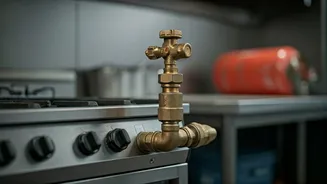
In response to the ongoing LPG cylinder crisis, a substantial number of Prayagraj's eateries, hotels, and restaurants are making a decisive move towards piped natural gas (PNG) connections. This transition is seen as a robust and reliable solution to circumvent the erratic supply of commercial LPG. Prominent establishments in upscale areas like Civil Lines have already embraced PNG, and now, businesses across the city are actively pursuing pipeline connections. Harjinder Singh, president of the Prayagraj Hotels and Restaurants Association, confirmed that the association plans to formally approach authorities to expedite the process of securing PNG connections for its members. This collective effort underscores the urgency and widespread acceptance of PNG as the preferred energy source for the food service industry in the region, moving away from the volatile cylinder-based system.
Administration's Priorities & Gujarat's Model
A key challenge highlighted by restaurant owners is the administration's current prioritization of commercial LPG cylinder distribution, with a focus on supplying hostels, educational institutions, and old-age homes. This decision, while addressing specific vulnerable groups, leaves the hotel and restaurant sector in a precarious position, facing extended waiting periods for essential fuel. To circumvent these delays, many are looking to successful models implemented elsewhere, particularly the approach taken by Gujarat. The Gujarat government has proactively decided to facilitate new PNG connections for restaurants, hotels, educational institutes, and socio-religious organizations in areas with existing pipeline infrastructure, provided they apply. This initiative by Gujarat, enacted against the backdrop of the West Asia conflict, serves as an inspiration for Prayagraj, with local businesses urging authorities to accelerate the PNG connection process for their sector, mirroring the efficiency seen in Gujarat.
Addressing the Backlog
While the public perception might lean towards a widespread crisis, an official statement suggests that the domestic LPG cylinder supply remains normal, with no overarching shortage. The current issues with commercial cylinders are being attributed to a combination of high booking volumes and temporary server malfunctions that disrupted operations for at least two days. Authorities are reportedly working diligently to clear this backlog and are maintaining close oversight of gas agencies and distributors to ensure smooth functioning. Although queues for domestic LPG cylinders showed signs of easing on Tuesday, distributors emphasize that the complete normalization of the supply chain will take time to restore the usual flow of gas cylinders to all consumers, including commercial entities once the system is fully back on track.