




Weight Woes Ground Flight
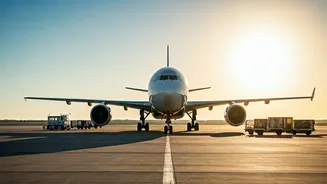
An early morning EasyJet service from London Southend Airport to Malaga experienced an unexpected hold-up on Saturday. As the aircraft prepared for its 08:40 BST departure, flight crew determined that
its operating weight, under the current environmental conditions, exceeded safety margins. This led to a recalculation of weight limits while passengers remained on board. To bring the flight within safe operational parameters, a reduction in the total load was necessary. Fortunately, five passengers voluntarily opted to disembark, bringing the aircraft's weight down just enough to permit takeoff. The airline confirmed that the issue stemmed from specific atmospheric and runway conditions, and their team managed the situation on-site following established safety procedures.
Contributing Factors Emerge
Several factors converged to necessitate the weight reduction for the EasyJet flight. Elevated temperatures, a common occurrence during warm weather, contribute to reduced aircraft performance, as air density decreases, requiring more thrust for takeoff. Furthermore, the relatively short runway length at London Southend Airport played a critical role. Shorter runways provide less distance for aircraft to accelerate to takeoff speed, making them more sensitive to weight limitations. The airline explicitly stated that these environmental conditions were the primary drivers for the operational challenge. Their ground staff meticulously assessed the situation, making decisions strictly in line with safety regulations and ensuring no compromises were made on the well-being of passengers or crew.
Passenger Assistance Prevails
With time pressing and cabin crew exploring options like rerouting checked baggage, the situation was resolved through prompt passenger initiative. Approximately ten minutes after the issue was identified, five individuals voluntarily stepped off the plane without any prompting. This act of cooperation was met with applause from other passengers. EasyJet responded swiftly to assist these volunteers, arranging for their onward travel at no additional expense. They were provided with alternative transportation, including routes from Essex to London Gatwick, and subsequent flights ensured they could continue their journeys later that day. The airline assured that all necessary compensation and arrangements would be made in accordance with official regulations.
Regulatory Compensation Framework
The incident brings to light the compensation framework governing flight delays and disruptions within the UK. According to guidelines from the UK's aviation regulator, passengers on medium-haul flights experiencing delays may be entitled to compensation ranging from £175 to £350, with the amount dependent on the duration of the delay. While EasyJet has not yet specified the exact compensation amounts for those affected by this particular event, the rules underscore the importance of timely passenger care. The intricacies of these regulations often hinge on the specific circumstances of the delay and the length of time passengers are kept waiting for their rescheduled travel.
Industry Weight Standards
Airlines typically utilize standardized weight estimations rather than individually weighing each passenger and their luggage for operational efficiency. European air safety authorities, through tests conducted in 2022, established an average weight of 84 kilograms per person, including baggage, for operational calculations. This figure, alongside critical variables such as prevailing weather conditions, the amount of fuel onboard, and runway length, informs flight crews' decisions regarding takeoff clearance. This incident serves as a salient reminder of the tight margins involved in aviation safety, echoing a similar event in 2014 on the same Southend to Malaga route where passengers had to deplane due to weight concerns. Such rare occurrences highlight the rigorous adherence to precise calculations required to ensure flight safety from beginning to end.