






Tokyo: The King
Tokyo, Japan, often takes the crown as the city with the longest commute times. The sheer scale of Tokyo's population, coupled with its extensive and intricate public transport network, creates a daily
migration of millions. This complex system, while efficient in moving vast numbers of people, also means that commuters can spend significant amounts of time traveling between home and work. Factors like population density, the distance between residential areas and business districts, and the sheer volume of traffic contribute to the extended travel times experienced by Tokyo residents. The city's reliance on trains and subways, while beneficial, can also lead to delays and overcrowding during peak hours, further extending commute durations. The impact of these lengthy commutes extends to residents' well-being, work-life balance, and overall quality of life.
Mumbai: A Challenge
Mumbai, India, faces extreme challenges with its commute times. With its massive population packed into a relatively small area, Mumbai experiences severe traffic congestion. The city's public transport, while extensive, struggles to keep pace with the demand. The suburban railway system, Mumbai's lifeline, is often overcrowded and prone to delays. The high density of population means that residential areas are often located far from commercial hubs, increasing travel distances. Mumbai's limited road infrastructure further exacerbates the problem, leading to gridlock during rush hour. The challenges are compounded by the city's geographical constraints, making expansion difficult. As a result, many residents spend hours each day commuting, affecting their productivity, health, and family life. Infrastructure development and public transport improvements remain critical areas for addressing Mumbai's commute issues.
Seoul: High-Tech Troubles
Seoul, South Korea, combines a modern, high-tech infrastructure with the persistent issue of lengthy commutes. The city's efficient public transport system, including subways and buses, is often overwhelmed by the sheer number of daily users. The vast distances between residential areas and employment centers, along with a high concentration of people, contribute to the time spent traveling. Despite advanced transport solutions, such as real-time information systems and integrated ticketing, congestion remains a challenge, particularly during peak hours. Furthermore, Seoul's expanding urban sprawl has pushed residential areas further from the city center, increasing travel times. Seoul's commute problems affect both its workforce and overall quality of life, necessitating ongoing investment in public transportation and urban planning.
Beijing: Congestion's Impact
Beijing, China, is known for its notorious traffic congestion, significantly impacting commute times for its residents. The rapid urban expansion, coupled with an increasing number of private vehicles, has overwhelmed the city's road infrastructure. This results in heavy traffic, especially in the city center and major arterial routes. While Beijing has invested heavily in public transportation, including subways and buses, the system struggles to fully alleviate the problem during rush hour. The vast distances between different parts of the city, along with its massive population, contribute to lengthy commutes. Air quality concerns also influence commuters' choices, with many opting for public transport to avoid exposure to pollution. The long commutes in Beijing have repercussions on productivity, pollution, and the city's overall liveability.
Bangkok: A Bottleneck
Bangkok, Thailand, has a history of severe traffic congestion, leading to long commute times. The city's infrastructure struggles to accommodate the large number of vehicles, resulting in gridlock during peak hours. The layout of Bangkok, with its dense network of roads and canals, adds to the complexity. While the city has invested in public transportation options, like the BTS Skytrain and MRT subway, the coverage is limited, leaving many residents reliant on cars, buses, and taxis. Flooding and other weather events can also disrupt traffic flow, further extending commute times. The effects are significant, impacting the economy, the well-being of the city's population, and the general quality of life. Improving public transport and road infrastructure are constant challenges for the city.
Shanghai: Economic Expansion
Shanghai, China, experiences lengthy commutes that are a direct result of its enormous economic expansion and rapid urbanization. With a rapidly growing population and a sprawling urban landscape, Shanghai's public transport and road networks face incredible pressures. Heavy traffic congests roads. Although the city has invested heavily in its subway system and public transport, the sheer volume of commuters often leads to crowded trains and buses. The vast distances between residential areas and business districts, coupled with infrastructure limitations, result in lengthy daily travel times. The economic impact is substantial, and the long commutes in Shanghai can affect the city's labor force, productivity, and general quality of life.
Manila: Infrastructure Shortfalls
Manila, Philippines, struggles with extensive commute times mainly because of its infrastructure shortfalls. The city's roads are often congested due to the high volume of traffic, including private vehicles, buses, and jeepneys. The public transport system, while present, lacks the capacity and efficiency needed to accommodate the large number of commuters. Infrastructure development has lagged behind population growth, leading to bottlenecks and delays. The geographical layout of the city, along with limited public transport options, forces residents to spend a significant portion of their day traveling. The impacts of Manila's lengthy commutes are far-reaching, affecting both the city's workforce and its overall quality of life.
Jakarta: Congestion's Grip
Jakarta, Indonesia, is infamous for its heavy traffic congestion, which significantly lengthens commute times for its inhabitants. The city's infrastructure struggles to support the large number of vehicles on its roads, resulting in gridlock during rush hour. Jakarta's public transport system, although it has seen some upgrades, is not sufficient to fully meet the demands of its massive population. The geographical layout of the city and a relative lack of integrated transport solutions add to the problem, leading to bottlenecks and extended travel times. The economic and social effects are substantial, impacting residents' productivity, health, and well-being. Improving infrastructure and providing better public transport remains a crucial undertaking.
Kuala Lumpur: Growth Challenges
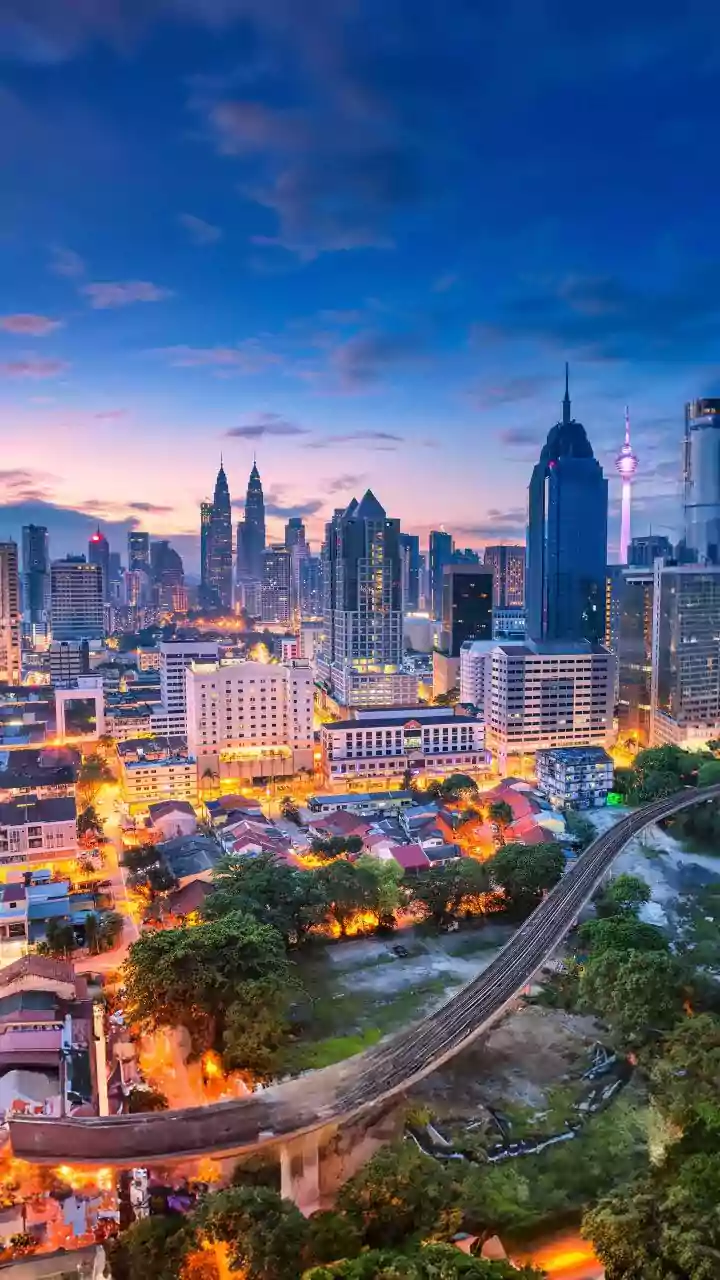
Kuala Lumpur, Malaysia, experiences increased commute times mainly because of rapid urban growth. While the city has a relatively good public transport system compared to others, the system’s expansion has not always kept pace with the growing population and urban sprawl. High traffic volumes and peak-hour congestion are common, particularly on major roads leading in and out of the city center. The distances between residential areas and business hubs, combined with the number of private vehicles on the road, contribute to longer travel times. This growth affects the city's workforce and their ability to commute efficiently. Future infrastructure improvements and public transport expansions are vital.
Delhi: A Conundrum
Delhi, India, faces significant challenges related to commute times, largely due to its high population density and inadequate infrastructure. Delhi's extensive road network is often overwhelmed by traffic, leading to congestion, especially during rush hour. The public transport system, including the Delhi Metro and buses, is crucial but sometimes overstretched and cannot fully alleviate the problem. The distance between residential areas and employment centers, along with the sheer number of people in transit, contribute to increased travel durations. Infrastructure improvements are constant, but they struggle to keep pace with the population growth. The long commutes have substantial consequences on productivity, air quality, and the overall well-being of Delhi residents.