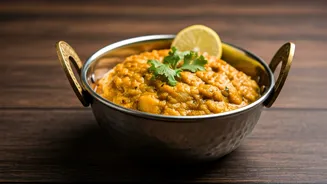








About Aloo Sabji
Aloo Sabji is a beloved potato-based curry widely enjoyed in India, especially at breakfast or as a side dish. The 'halwai' style, known for its distinct flavors and textures, often features a unique blend
of spices and cooking techniques. This article offers an easy-to-follow guide to achieving that authentic halwai taste at home. The dish's popularity stems from its simplicity, versatility, and the comforting flavors it offers, making it a staple across various regions and cultures within India. The key lies in selecting the right type of potatoes, the correct blend of spices, and the appropriate cooking method to bring out the best in the ingredients. This style of cooking has evolved over generations, with each family and shop adding their unique touch, creating a diverse range of Aloo Sabji varieties.
Essential Ingredients
To make authentic Halwai-style Aloo Sabji, several key ingredients are necessary. Firstly, the choice of potatoes is crucial; waxy potatoes are generally preferred for their ability to hold shape during cooking. Spices form the heart of the flavor profile, typically including cumin seeds, coriander powder, turmeric powder, red chili powder, and garam masala. Fresh ginger and green chilies add a zesty punch, while tomatoes provide the base for the gravy. Other important components are onions, which add depth and sweetness, and cooking oil or ghee, used for sautéing the spices and vegetables. Fresh coriander leaves are essential for garnishing, providing a burst of freshness at the end. The quality and freshness of the spices directly influence the taste. Some recipes call for a touch of asafoetida (hing) for added aroma and digestive benefits, and a sprinkle of kasuri methi (dried fenugreek leaves) to enhance the overall flavor.
Step-by-Step Instructions
The preparation of Halwai-style Aloo Sabji involves several key steps. Start by boiling the potatoes until they are cooked but still firm, then roughly chop them. In a pan, heat the cooking oil or ghee and add cumin seeds, letting them splutter. Add chopped onions and sauté until golden brown, followed by ginger and green chilies. Next, add the tomatoes, and cook until they soften. Add all the dry spices like coriander powder, turmeric powder, and red chili powder, stirring constantly. Once the spices release their aroma, add the chopped potatoes. Gently mix the potatoes with the spices, ensuring they are evenly coated. Add water to adjust the consistency of the gravy, and let it simmer for a few minutes. Finally, garnish with fresh coriander leaves, and serve hot. The consistency of the gravy can be adjusted based on preference, with some people preferring a drier version, and others a more saucy one.
Cooking Variations
Halwai-style Aloo Sabji can be adapted to suit various tastes. For a spicier version, increase the quantity of red chili powder or add a green chili at the beginning. If you like a tangier taste, add a pinch of amchur powder (dried mango powder) or a squeeze of lemon juice towards the end. Some variations include adding other vegetables like peas or cauliflower. For those who enjoy a richer flavor, a small amount of cashew paste can be added to the gravy. To enhance the aroma, you may incorporate a few cloves or a cinnamon stick while sautéing the onions. Experimentation is encouraged to find the perfect combination that suits your palate. The versatility of Aloo Sabji allows you to create a dish that is uniquely yours, blending the traditional recipe with your preferred spices and vegetables.
Serving Suggestions
Aloo Sabji is incredibly versatile and pairs well with many other dishes. It is commonly served with hot puris or parathas for a hearty breakfast or brunch. The sabji can also be enjoyed with roti or rice. For a more elaborate meal, you could serve it alongside other Indian curries, such as dal or vegetable dishes. Some people enjoy it as a side with their favorite snacks like samosas or pakoras. Aloo Sabji can be served hot or warm and is a great option for meal prepping. Garnish the sabji with fresh coriander leaves and a dollop of yogurt or a sprinkle of sev for an enhanced dining experience. The simple yet flavorful nature of the dish makes it a perfect accompaniment to various Indian cuisines.