



The Body's Quick Adjustment
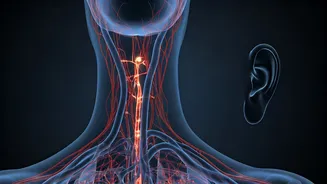
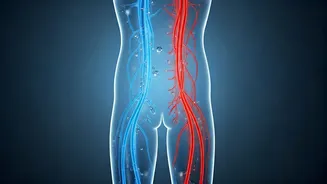
Our bodies are remarkably adept at adapting to changes in position. When you transition from sitting or lying down to standing, gravity naturally pulls blood towards your lower extremities. Ordinarily,
your cardiovascular system quickly compensates for this shift, ensuring sufficient blood flow reaches your brain. However, this adjustment can sometimes falter, leading to a transient feeling of lightheadedness or blurred vision. This momentary lapse in equilibrium is often a subtle indicator of how effectively your body is managing blood pressure, circulation, and overall fluid balance. Understanding these responses can empower you to recognize early signs of imbalance before they escalate into more significant health issues.
When to Seek Attention
Occasional dizziness upon standing is usually benign, resolving within seconds without lasting effects. However, if these episodes become frequent, are accompanied by other worrying symptoms such as chest discomfort, persistent visual disturbances, or a feeling of impending faintness, it is crucial to consult a medical professional. Cardiologists emphasize that recurrent episodes, especially when paired with these additional signs, warrant a thorough medical evaluation. These repeated signals can be the body's way of alerting you to underlying issues that require attention and appropriate management, preventing potential complications down the line.
The Critical Role of Hydration
Water is fundamental to maintaining our health, and its role extends beyond simply quenching thirst. Adequate hydration is vital for keeping blood volume stable. When the body is dehydrated, blood volume decreases, which in turn impedes the circulatory system's ability to adjust promptly to postural changes. This delay in blood reaching the brain can manifest as dizziness. Even mild dehydration can significantly impact blood pressure regulation and heighten the risk of experiencing lightheadedness when changing positions. Factors like infrequent fluid intake, extended periods without drinking, or even skipping meals can subtly exacerbate these effects, undermining your body's natural ability to maintain stability.
Everyday Triggers to Watch
Several common daily habits can quietly increase the likelihood of experiencing dizziness when standing up. These include rising too abruptly after prolonged periods of sitting, skipping meals which can lead to dips in blood sugar and energy levels, insufficient sleep impacting circulation, and prolonged periods without consuming fluids. Exposure to excessive heat can also contribute. While these triggers may seem minor individually, their cumulative effect can diminish the body's responsiveness and its capacity to adapt quickly to gravitational shifts. Becoming aware of these patterns allows for proactive adjustments that can significantly improve your body's stability and resilience.
Simple Steps for Balance
Managing the tendency for dizziness when standing often involves embracing straightforward, consistent lifestyle adjustments. Making a conscious effort to stand up gradually, particularly after extended periods of sitting or lying down, allows your circulatory system ample time to adapt. Ensuring consistent fluid intake throughout the day is paramount for maintaining adequate blood volume. Additionally, avoiding lengthy intervals between meals can help prevent blood sugar dips that might contribute to lightheadedness. Paying attention to signs of fatigue and prioritizing rest when needed also plays a crucial role in supporting your body's overall balance and responsiveness.