

Navratri's Spiritual Reset
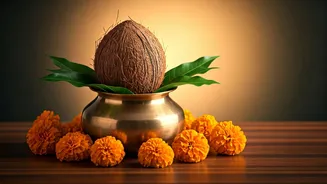
Chaitra Navratri marks the beginning of the Hindu New Year, serving as a profound spiritual reset. This nine-day festival transitions from the solemnity of Ghatasthapana to the exuberance of Ram Navami,
offering a unique opportunity to connect with one's inner strength, referred to as Shakti. Whether observing strict fasts or simply seeking a more mindful existence, Navratri provides a framework for personal renewal and a deep dive into spiritual practices. The atmosphere during this time is often imbued with a special kind of magic, from the preparations in homes to the collective anticipation of divine blessings. It is a time that encourages a move away from the everyday and towards introspection and spiritual growth, culminating in the celebration of auspicious events.
Digital Wishes, Human Connection
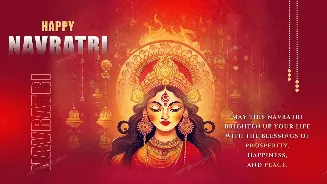
In our hyper-connected digital age, sharing warm wishes for occasions like Chaitra Navratri has evolved. Simple messages sent via WhatsApp or shared on social media platforms have become a significant way to convey sentiments and blessings to loved ones, bridging physical distances. This tradition of 'digital shagun' is a modern adaptation of traditional customs, allowing people to participate in the festive spirit even when apart. The act of sending a personalized wish or a devotional quote is more than just a notification; it's a meaningful gesture that fosters connection and reinforces the sense of community during this sacred period. Curated messages serve as a tool to express care and share the auspiciousness of the festival.
Beyond Rituals: Divine Forms
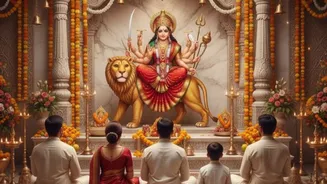
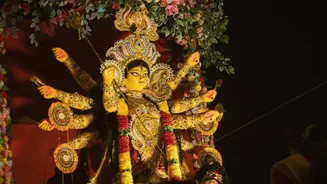
Navratri is a multi-sensory experience, encompassing sights, sounds, and tastes that deepen the spiritual connection. It is a time to honor the nine distinct forms of Maa Durga, known as the Navadurgas, each representing different facets of divine feminine power and various stages of human life. These forms, from Shailputri (daughter) to Brahmacharini (seeker) and Skandamata (mother), offer profound insights into the diverse strengths inherent in all individuals. Beyond mere rituals, the festival emphasizes understanding and embodying these divine qualities. Engaging with curated messages and mantras is an act of intentionality, allowing devotees to select apt verses, like the Durga Chalisa or specific wishes, to share with family and friends, thereby including them in the spirit of devotion and celebration.
Blessings from Navadurgas
Chaitra Navratri invites devotees to seek blessings from the nine manifestations of Maa Durga. Each day is dedicated to a specific form, offering unique energies and spiritual benefits. For instance, Day 1 is dedicated to Shailputri Maa, invoking purity of heart. Brahmacharini's day inspires resolve, while Chandraghanta's presence signifies victory over fears. Kushmanda Maa ignites inner cosmic light, and Skandamata's maternal love offers embrace. Parvati Maa's day fosters deep devotion, and Katyayani Maa is invoked to vanquish adharma. Mahagauri's purity is sought to cleanse sins, and Siddhidatri, on Day 9, fulfills the desires of the devout. Alongside these blessings, messages for Ghatasthapana remind us of Maa's presence within our homes, encouraging chants like 'Om Dum Durgayei Namah' for strength and renewal in the New Year.
Heartfelt Wishes for Peace
The spirit of Chaitra Navratri is encapsulated in heartfelt wishes for protection, peace, and prosperity. These sentiments extend to invoking the specific strengths associated with each form of the Goddess. For example, wishing for Shailputri's purity and strength, or Brahmacharini's grace upon one's fasts, embodies a desire for spiritual fortitude. Chandraghanta's valor is invoked for protection against life's battles, while Kushmanda Maa's energy is wished to fill one's life with vibrancy. Skandamata's love is sought for nurturing dreams, and Parvati Maa's blessings for deepening devotion. Wishes for Katyayani Maa focus on overcoming obstacles, and Mahagauri's grace for purification. The auspiciousness of Kanya Pujan, Ashtami, and Navami, particularly Rama Navami, are also central, with prayers for Maa Durga's protective armor and eternal peace, fostering faith and prosperity throughout the year.
Chanting for Divine Intervention
Powerful mantras form a cornerstone of devotional practice during Navratri, serving as direct conduits for divine intervention and blessings. Key mantras include 'Om Dum Durgayei Namah' for invoking Maa's protective aura. The potent 'Om Aim Hreem Kleem Chamundayei Vichche' is particularly significant for Ashtami, while the mantra acknowledging Devi's omnipresence, 'Ya Devi Sarvabhuteshu Shakti Rupena Sansthita,' resonates deeply. Specific mantras for each of the nine forms are also essential for focused worship: 'Om Shailputriyai Namah' for Day 1, 'Om Brahmacharinyai Swaha' for endurance, 'Om Chandraghantayai Phat' for courage, 'Om Kushmandayai Namah' for cosmic energy, 'Om Skandamatayai Swaha' for maternal mercy, and 'Om Katyayanyai Namah' for removing obstacles. These sacred recitations are believed to purify the mind and attract auspicious energies.
Timeless Wisdom and Quotes
Navratri is also a time for reflection, drawing wisdom from scriptures and saints through timeless quotes. These sayings encapsulate the essence of devotion, strength, and spiritual realization. Phrases like 'Jai Mata Di—In Durga's name, fear vanishes,' from the Durga Chalisa, highlight courage. The profound understanding that 'Devi resides in pure hearts' from the Devi Mahatmya emphasizes inner purity. A foundational principle is 'Shakti wins over shakti-less,' as noted in the Ramcharitmanas, underscoring the triumph of divine power. Traditional slokas remind us of 'Nine days, eternal grace,' while praise for Siddhidatri states, 'Maa's glance bestows siddhi.' These quotes encourage faith, surrender, and the recognition of inner power, guiding devotees from darkness to light and ego to selflessness throughout the festive period.