






Fleet Depletion's Impact
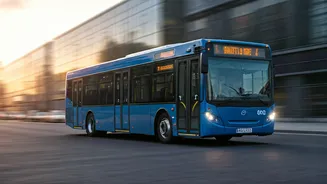
Kolkata's public transportation system is currently grappling with a considerable reduction in its government bus services. This situation has arisen due to the unfortunate withdrawal of 397 buses from
active duty because they failed to meet the required valid fitness certificate standards. This sudden and substantial decrease in operational vehicles has created a palpable strain on the city's commuting infrastructure, leaving many passengers facing longer waits and more crowded journeys. The impact is felt across various parts of the city as the reduced fleet struggles to serve the usual routes and passenger volumes, highlighting the critical importance of regular maintenance and adherence to safety regulations for public transport vehicles.
The Multi-Route Solution
In direct response to the ongoing bus crisis, the West Bengal Transport Corporation (WBTC) has implemented a strategic fleet optimization plan centered on a multi-route operational model. This innovative approach is designed to enhance the efficiency of the available bus fleet. Under this new system, a single bus is no longer confined to a solitary route for its entire operational period. Instead, it is dynamically scheduled to serve multiple distinct corridors throughout the day. For example, a bus might begin its day on its standard route, then, during the midday period, be redirected to cover a completely different route to meet demand. Later in the day, it could even be deployed on a third route before eventually returning to the depot, thereby maximizing its service hours and geographical coverage.
Commuter Skepticism Arises
While the WBTC's multi-route strategy is a creative attempt to manage the severe shortage of operational buses, it has not been met with universal approval from the city's commuters. Many passengers have expressed skepticism, viewing this novel deployment as merely a temporary fix, a stop-gap measure rather than a sustainable long-term solution. The core concern among the public appears to be that this approach does not address the fundamental issue at hand: the significant depletion of the bus fleet itself. Commuters are accustomed to predictable service patterns, and the current dynamic routing, while intended to spread resources, may lead to confusion or longer overall travel times for some, prompting questions about the true effectiveness of this strategy in resolving the underlying problem of insufficient bus availability.