





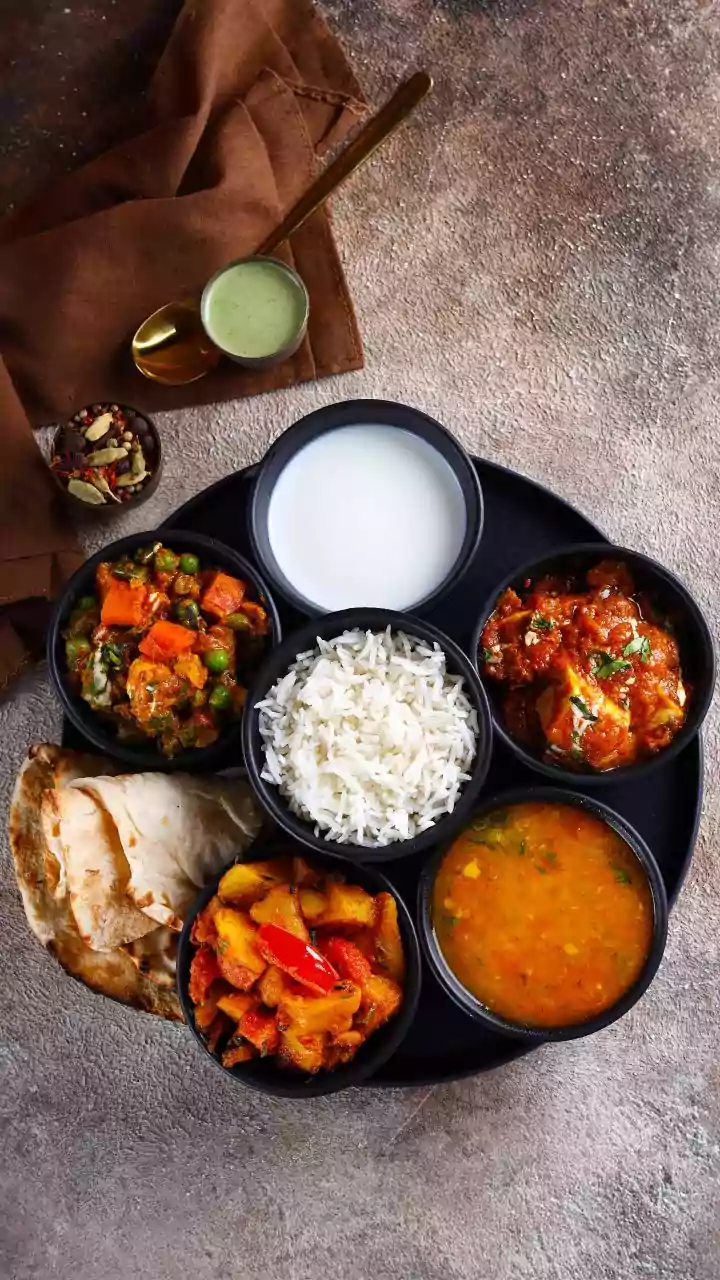
The Paneer Deception Unveiled
A recent crackdown has exposed a disturbing practice prevalent in the food industry: the sale of fake paneer. Ten food establishments, previously trusted by consumers, have been identified for using substandard
or entirely artificial substitutes instead of authentic dairy-based paneer. This revelation raises significant concerns about food adulteration and the lengths some businesses will go to cut costs, potentially compromising the health and trust of unsuspecting diners. The investigation, which led to the identification of these establishments, highlights a broader issue within the food supply chain, where the integrity of common ingredients is being questioned. Consumers have a right to know what they are eating, and this incident underscores the urgent need for stricter quality control and enforcement measures to ensure authenticity and safety in the food we consume daily.
Identifying the Offenders
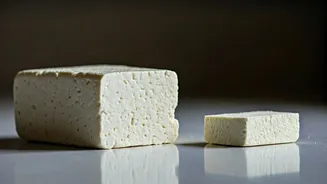
The investigation into fraudulent paneer practices has pinpointed ten specific food joints that were found to be misrepresenting their products. These establishments, ranging from popular eateries to smaller food stalls, were utilizing ingredients that mimicked the texture and appearance of paneer but lacked its dairy origin. Instead, they often contained harmful chemicals or plant-based derivatives, posing a potential health risk to consumers. The exposure of these ten entities serves as a stark warning to the public about the hidden dangers lurking in seemingly innocuous food items. Authorities are taking stringent action against these businesses to deter such malpractices and to restore faith in the food industry. The public is advised to exercise caution and remain vigilant about the quality of food they purchase.
The Impact on Consumers
The widespread sale of fake paneer by these ten food establishments has significant repercussions for consumers. Not only are patrons being misled about the ingredients in their meals, but they are also potentially ingesting harmful substances. Authentic paneer is a good source of protein and calcium, crucial for a balanced diet. However, its synthetic counterparts can lack nutritional value and may contain chemicals that trigger allergic reactions or lead to more serious health issues over time. This deception erodes consumer trust, making individuals question the authenticity of food served at various outlets. The economic impact is also considerable, as genuine dairy farmers and businesses suffer when fraudulent products flood the market, distorting fair competition and devaluing authentic produce.
Safeguarding Your Plate
Following the exposure of these ten food joints selling counterfeit paneer, it is imperative for consumers to adopt a more informed approach to their dietary choices. Staying educated about common food adulteration techniques is the first line of defense. When dining out, paying attention to the taste, texture, and aroma of paneer dishes can offer subtle clues. If something seems off, it is advisable to inquire about the ingredients with the establishment. Additionally, supporting reputable restaurants and dairy brands that prioritize quality and transparency can help. Authorities are strengthening surveillance and testing protocols to prevent such incidents, but consumer vigilance plays a vital role in ensuring that only genuine, safe food makes it to our plates. Reporting suspicious food quality can also aid in prompt action.