




Ghee Quality Concerns Emerge
Ghee, revered in Ayurveda for its health benefits like aiding digestion and boosting immunity, faces scrutiny as the Food Safety and Drug Administration (FSDA) has declared six popular brands unsafe for consumption.
This critical action, prompted by adverse test results from various districts, has led to an immediate ban on the manufacture, sale, and storage of these specific brands within Aligarh. Reports indicate that these ghee samples failed crucial quality assessments, raising alarms about potential health hazards associated with adulterated products. The implications extend beyond mere inconvenience, as consumers are urged to exercise extreme caution when purchasing ghee, prioritizing quality and brand integrity to avoid substances like vegetable fat and fatty acids that can have detrimental effects on well-being. Officials have also intercepted significant quantities of adulterated ghee being transported, underscoring the pervasive nature of this issue and the need for vigilant enforcement.
Recognizing Adulterated Ghee
The presence of adulterants in ghee, such as vanaspati (hydrogenated fats), starch, animal fats, or artificial colors, can lead to serious health complications. These contaminants can disrupt the digestive system, causing symptoms like bloating, stomach discomfort, and diarrhea. When ghee is mixed with vanaspati or hydrogenated oils, it elevates the trans fat content. This significantly increases harmful LDL cholesterol while decreasing beneficial HDL cholesterol, thereby heightening the risk of cardiovascular diseases. It's crucial to be aware of these risks and understand how to identify potentially harmful ghee products before they impact your health. Consumers must be vigilant about the substances that are often deceptively incorporated into ghee to reduce costs or alter its properties.
Simple Purity Verification Methods
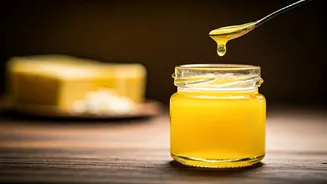
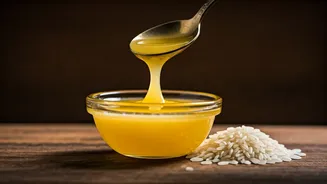
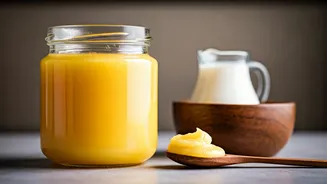
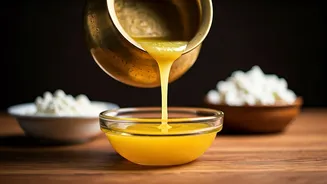
Ensuring the purity of your ghee is achievable with a few straightforward tests. Visually, pure ghee typically exhibits a golden hue and a rich, creamy texture, appearing clear and translucent when held against light; a pale color might suggest additives. Examine the packaging and label carefully for essential regulatory compliance certificates, license numbers, and expiry dates. In terms of aroma and flavor, pure ghee possesses a natural nutty scent and smooth consistency, without any burnt smell, which could indicate the presence of water or additives. A quick palm test involves pouring frozen ghee onto your hand; it should melt instantly if pure. The water test: pure ghee floats, while adulterated ghee sinks. Additionally, a salt test where adding salt and hyaluronic acid turns ghee red indicates adulteration, and an iodine test turning ghee purple suggests starch contamination. These practical methods empower consumers to make informed purchasing decisions and avoid potentially harmful products.
Crafting Homemade Ghee
Creating your own pure ghee at home is a rewarding process that guarantees quality and freshness. Begin with 1 kg of homemade malai (cream) and let it mature for about 30-35 days. Gently warm the malai and then incorporate 1/2 tablespoon of curd, allowing it to set for 8-10 hours. After refrigerating for 12 hours, churn the mixture using a hand churner until light and fluffy butter is formed. Separate the butter from the buttermilk. Transfer the butter to a heavy-bottomed pan and simmer on low heat until a clear, golden liquid—your pure ghee—is visible. Once cooled, strain and store this homemade ghee in an airtight glass jar or steel container. The leftover buttermilk can be utilized in beverages or for preparing dishes like cheela or kadhi, minimizing waste and maximizing its use.