





LPG Scarcity Strikes
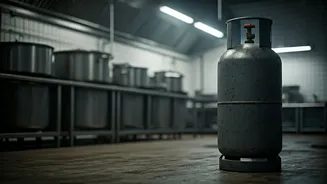
A growing scarcity of commercial LPG cylinders is forcing many temples in Kerala to abandon modern cooking methods and revert to traditional firewood. Assistant priest Guru Prasad of Thamaramkulangara
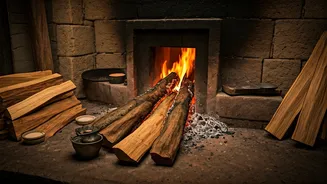
Sree Dharma Sastha Temple highlighted the dire situation, stating the need for at least two cylinders to prepare daily offerings, or 'naivedyams'. He noted their prolonged wait of 12 days for refilled cylinders, a delay that significantly hampers their ability to fulfill their duties. While some offerings are prepared in smaller quantities, the upcoming auspicious period, marked by the presiding deity's birth star and significant festivals like Painkuni Uthram on April 1, necessitates the preparation of large-scale feasts for hundreds of devotees. The onset of the marriage season, which began on Sunday (the first day of the Malayalam month of Meenam), has seen caterers also shifting to firewood, making it increasingly difficult for temples to procure adequate supplies even if they choose to return to traditional kitchens.
Traditional Cooking Traditions
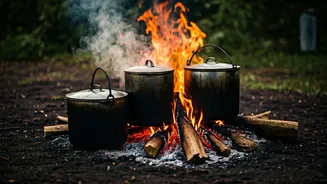
Many prominent temples under the Cochin Devaswam Board, including major ones like Poornathrayeesa and Chottanikkara, have long maintained firewood as their primary cooking fuel. M. G. Yahuldas, assistant commissioner at Chottanikkara Devi Temple, confirmed that firewood is a standard feature in their temple kitchen. At Sree Poornathrayesa Temple, a significant amount of milk pudding, specifically 120 litres of 'Paal Panthirunaazhi', is prepared daily using firewood. In more remote temples situated on village outskirts, devotees have stepped in to assist by providing essential firewood and coconut shells. This support helps ensure that at least the routine 'naivedyams' can be prepared. Appu Namboothiri, the main priest of Mulanthuruthy Sree Krishna Temple, shared that devotees now bring firewood, coconut husks, and shells along with regular worship materials like flowers and coconuts. This practice extends beyond daily cooking; devotees previously contributed coconut husks and shells for 'Ganapathy Homam' ceremonies, demonstrating a deep-rooted tradition of community support for temple activities.