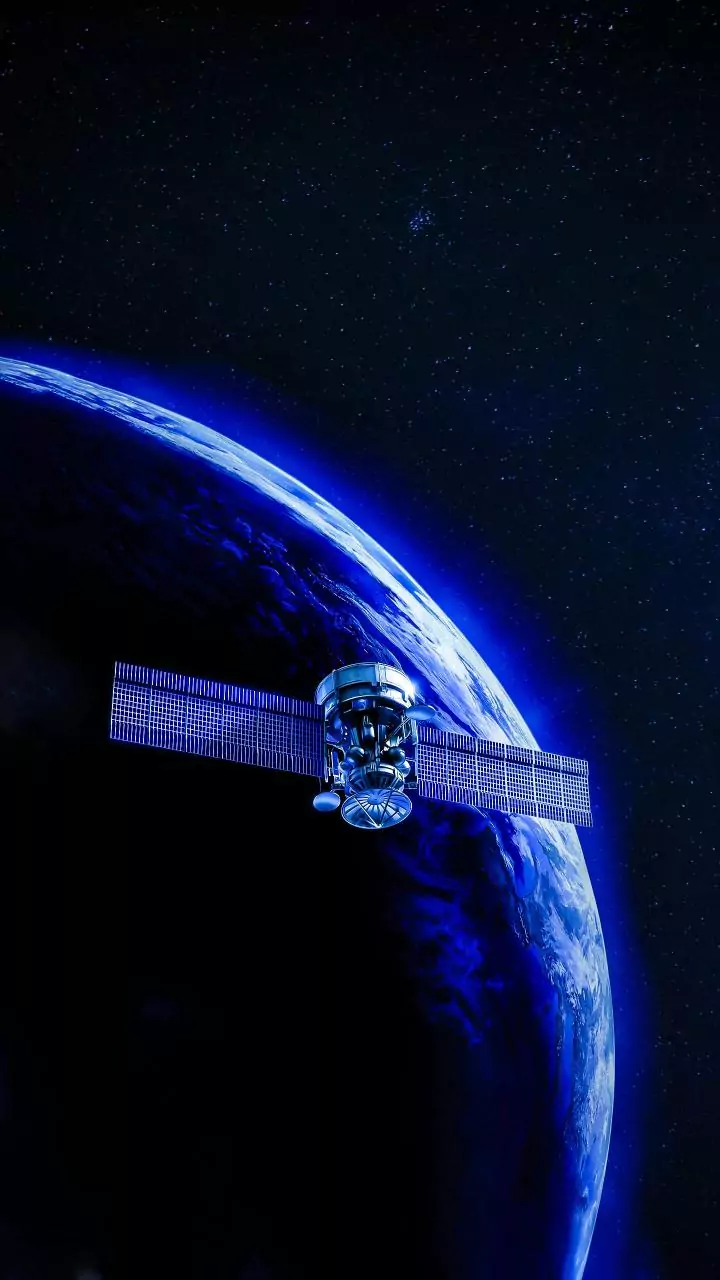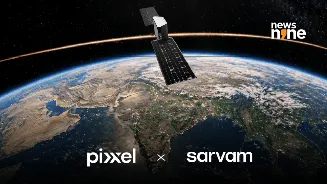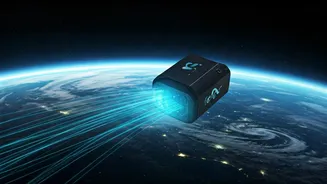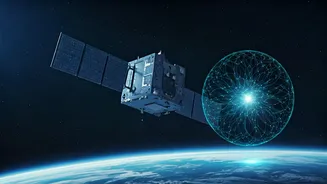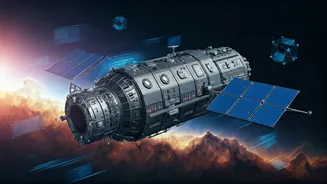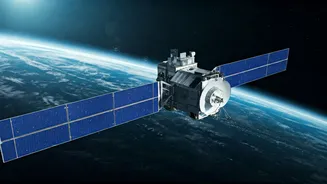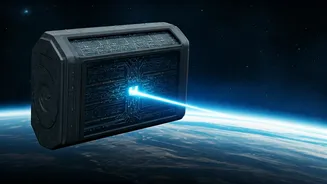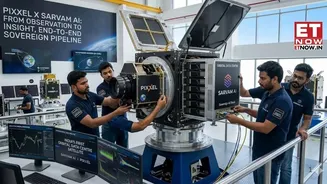







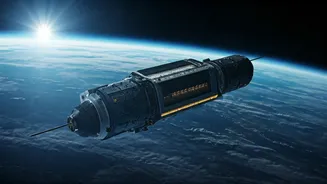
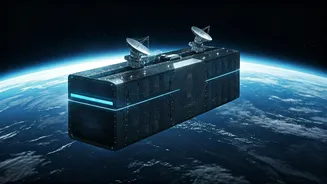

Pixxel and Sarvam AI announced on May 4, 2026, a strategic partnership to develop India's first orbital data centre satellite, named Pathfinder a 200-kilogram
satellite scheduled for launch as early as Q4 2026. The mission is as technically ambitious as any Indian space project attempted by a private company, and the implications stretch well beyond the two companies involved. The world's biggest technology companies are running out of room. Every new AI model requires more compute. More compute requires more data centres. More data centres require more land, more power, more water, and more approvals from regulators and communities who are increasingly unwilling to grant them. The race to build AI infrastructure has hit a ceiling that no amount of investment can immediately overcome on Earth. Two Indian startups have decided the answer is not to build bigger on the ground it is to build smarter above it. The problem it solves Pixxel CEO Awais Ahmed has been direct about the ground-level constraints driving this decision. Data centres face increasing pressures around energy, land, regulation, and scale and the current model is becoming harder to sustain environmentally. Orbital data centres open up a new frontier where compute can be powered by abundant solar energy, operate closer to space-based data, and move beyond some of the limits faced on Earth. Data centres currently account for roughly 1.5 to 3 percent of global electricity use, a share set to rise sharply as AI workloads multiply. Beyond energy, ground facilities require large land parcels, power substations, and fibre connectivity each carrying substantial costs and regulatory hurdles. Space eliminates most of these constraints simultaneously.
What makes pathfinder different
The Pathfinder satellite will be equipped with data center-grade GPUs the same class of hardware used in terrestrial AI data centers, alongside Pixxel's flagship hyperspectral imaging camera. This combination is what separates Pathfinder from every other imaging satellite currently in orbit.
Conventional satellites capture raw imagery and transmit it back to Earth for processing a model that introduces delays between data capture and actionable insight. Pathfinder processes data directly in orbit, identifying patterns and generating insights in real time without the round-trip latency. For time-critical applications disaster response, military surveillance, infrastructure monitoring, environmental alerts that difference is not incremental. It is transformational.
Sarvam will provide the full AI backbone, running its language models and inference platform directly on the satellite's GPU compute layer. The entire value chain from satellite hardware to AI models to data processing stays within India.
Sarvam CEO Pratyush Kumar put the sovereignty dimension plainly: "AI infrastructure is not just a software question it is a sovereignty question. Having India-built models running in orbit aboard an India-built satellite is exactly the kind of foundational capability the country needs to control its own intelligence infrastructure. Now, everywhere includes space."
India not alone
Global players including SpaceX, Axiom Space, and Starcloud have outlined early-stage plans for orbital computing platforms targeting the 2030s. In India, NeevCloud and Agnikul signed an MoU in February to explore a similar LEO inference infrastructure partnership. But Pathfinder has something most of these efforts lack a concrete launch window in 2026, not a decade from now.
The mission will evaluate real-time inference and data processing performance under space conditions, including energy consumption, thermal regulation, and operational reliability establishing the foundation for future scalable space-based data centre systems.
India's AI story has been told largely through software large language models, startup ecosystems, and talent exports. Pathfinder writes a new chapter. One built in hardware, launched into orbit, and designed to prove that India's AI sovereignty extends beyond atmosphere.