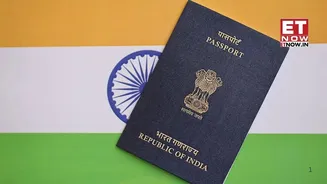










As India has significantly increased the rollout of electronic passports, with embedded microchips now standard, verification at airports may become more
efficient. Security improves through encrypted data storage, reducing risks tied to document forgery. The update forms part of broader upgrades within national identification systems. Travel documentation is expected to align with global standards over time. Earlier models phase out gradually, making space for tech-integrated alternatives. Entry processing could shorten noticeably under the revised framework. Identity safeguards strengthen as physical checks give way to digital validation. Implementation follows years of testing across select diplomatic channels. A quiet transformation reshapes how citizens carry official status abroad.
What is an e-Passport?
A thin microchip lies inside the front cover of an e-passport, differing from standard paper versions. Within this tiny circuit, biometric details reside, digital scans of the face, records of fingerprint patterns, paired with standard identity facts shown on the visible page. Automation enables border kiosks across nations to retrieve these stored elements swiftly. As a result, travelers proceed through entry checkpoints faster than before. Speed emerges where manual checks once slowed movement.
Eligibility and security
All Indian nationals are eligible for this e-Passport who meet current requirements for an ordinary passport and also qualify for the updated electronic version. Though still-valid machine-read documents keep full status through their validity period, fresh requests along with extension filings move exclusively to digital models going forward.
A safeguard built into the chip resists unauthorized changes. When tampering occurs, detection follows immediately - authentication stops at inspection points. As a result, forged documents become harder to use successfully.
What is passport seva portal
Managed by the Ministry of External Affairs, the Passport Seva portal serves as India's centralized system for passport handling. From this platform, individuals access procedures related to new applications, renewals, overseas clearances, and associated paperwork. Rather than visiting multiple agencies, users complete steps through one connected environment. Regional offices coordinate within the network, along with diplomatic posts, law enforcement units, and postal services. Appointments get arranged digitally, forms are submitted electronically, payment occurs online. Transparency emerges not from claims but built-in tracking and structured workflows. What once required physical presence now unfolds remotely, reducing delays. Despite its scale, operation remains focused on consistency and clarity. Every stage prioritizes accessibility without compromising verification standards. Digital transformation here means function, not features - reliability shapes each interaction.
The application process
1. Register or log in on the Passport Seva Portal
2. Select "Apply for Fresh Passport / Re-issue", and complete the online form.
3. Pay the fee online, then schedule an appointment at your local PSK or POPSK.
4. Visit the appointment centre with original documents. Biometric data (photo + fingerprints) will be captured.
5. Await processing and dispatch. Once approved, your e-passport will be delivered to the registered address.