







What is the story about?

Finding the right laptop under Rs 50,000 can be challenging for students who need reliable performance, good battery life and future-proof specifications
without stretching their budget. Whether it’s attending online classes, preparing assignments, coding, creating presentations or streaming content, today’s budget laptops offer solid value. Here’s a curated list of the top 5 budget laptops for students in India under Rs 50,000, based on performance, usability, portability and overall value.
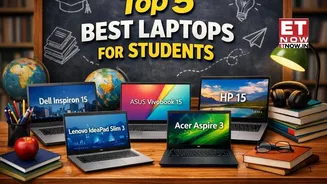
1. Dell Inspiron 15 – reliable all-round performer
The Dell Inspiron 15 remains one of the most dependable options in the budget category.
Key Specifications:
- 13th Gen Intel Core i3 processor
- 8GB RAM
- 512GB SSD
- 15.6-inch Full HD display
- Windows 11 Home
Why it stands out:
The Inspiron 15 offers balanced performance for everyday academic tasks such as document editing, browsing, online classes and light multitasking. The large display makes it suitable for working on spreadsheets and presentations.
Best for: Students who want a dependable laptop with a bigger screen for productivity.
2. ASUS Vivobook 15 – best value for daily use
The ASUS Vivobook 15 combines portability with practical performance at an affordable price.
Key Specifications:
- 13th Gen Intel Core i3
- 8GB RAM
- 512GB SSD
- 15.6-inch Full HD display
Why it stands out:
It offers smooth everyday performance and a comfortable keyboard for long typing sessions. The slim design makes it easy to carry around campus.
Best for: Students looking for a balance between affordability and performance.
3. Lenovo IdeaPad slim 3 strong multitasking option
The Lenovo IdeaPad Slim 3 is ideal for students who need slightly more power for multitasking or coding.
Key Specifications:
- AMD Ryzen 5 or Ryzen 3 processor
- 8GB RAM (expandable in some variants)
- 512GB SSD
- 15.6-inch Full HD IPS display
Why it stands out:
Ryzen processors offer strong multi-core performance, making this laptop suitable for heavier workloads like programming tools, data analysis and project work.
Best for: Engineering, coding or commerce students working with multiple applications.
ASUS Vivobook Go 14 – compact and portable
For students who prioritise portability, the Vivobook Go 14 is a practical option.
Key Specifications:
- AMD or Intel processor options
- 8GB RAM
- 512GB SSD
- 14-inch Full HD display
Why it stands out:
The smaller form factor makes it lightweight and easy to carry. It delivers reliable performance for note-taking, browsing and video calls.
Best for: Students who travel frequently or prefer compact laptops.
5. HP 15 – Balanced daily driver
HP’s 15-inch budget lineup remains a popular choice among students.
Key Specifications:
- 13th Gen Intel Core i3
- 8GB RAM
- 512GB SSD
- 15.6-inch Full HD display
- Windows 11
Why it stands out:
It delivers steady performance for academic use and entertainment. HP’s service network in India also adds peace of mind.
Best for: Students who want a trusted brand with consistent performance.
What students should look for in budget laptop
Before making a decision, consider these essential factors:
Processor
Choose at least an Intel Core i3 (12th/13th Gen) or AMD Ryzen 3/5 for smooth performance.
RAM
8GB RAM is the minimum recommended in 2026. It ensures better multitasking and long-term usability.
Storage
Always opt for a 512GB SSD instead of HDD. SSD significantly improves speed and responsiveness.
Display
A Full HD (1920x1080) display is ideal for reduced eye strain and better clarity.
Battery Life
Look for 6–8 hours of battery backup for uninterrupted study sessions.
Students no longer need to compromise heavily on performance within a Rs 50,000 budget.
Brands like Dell, ASUS, Lenovo and HP now offer capable machines with SSD storage, modern processors and Full HD displays at accessible price points.
If you want balanced performance and reliability, Dell Inspiron 15 or HP 15 are safe choices. For portability, ASUS Vivobook Go 14 works well. If multitasking power matters most, Lenovo IdeaPad Slim 3 is worth considering.
Choosing the right laptop ultimately depends on your course requirements, usage patterns and portability needs.