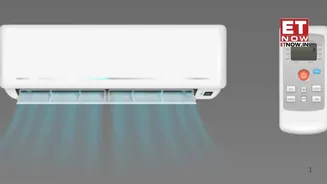








What is the story about?

Summers have arrived, and keeping harsh Indian climatic conditions in mind, it is impossible to survive without an air conditioner. Everyone wants one,
and when it comes to buy a worthy air conditioner, there are plenty of options available to customers, and it also gets confusing when customers start deciding, as half the terms being thrown around mean nothing to the average buyer. Tonnage, ISEER, inverter compressor sounds complicated, but it really isn't once you break it down properly.
Room size can be a starting point
Room size is your starting point, full stop. Get this wrong and nothing else matters. A unit that's too small will run non-stop trying to keep up, wear itself out faster, and push your electricity bill higher than it needs to be. One that's too large will cool the room in minutes but skip the dehumidification cycle, leaving everything feeling damp and uncomfortable even when the temperature reads fine.
The rough numbers to keep in mind up to 120 square feet works with 1 ton, anywhere between 120 and 180 square feet needs 1.5 tons, and larger spaces want 2 tons or above. That said, these figures assume normal conditions. A room on the top floor with afternoon sun beating through west-facing windows is a different situation entirely. Always factor in heat load, not just floor area. When in doubt, go one step higher rather than one step lower.
Inverter or non inverter
On the inverter question, there really isn't much of a debate anymore. Non-inverter units switch fully on and fully off, which means repeated power spikes through the day as the compressor restarts. Inverter models modulate their speed continuously, settling into a steady rhythm that uses far less electricity over hours of operation. The savings typically land between 20 and 40 percent depending on usage patterns. That extra few thousand rupees at purchase comes back to you within two solid summers.
Are star ratings that important?
Star ratings from the Bureau of Energy Efficiency tell you how efficiently the unit uses power. Five stars costs more upfront, no question. But run an AC eight hours a day for five months and the gap between a 3-star and 5-star model shows up clearly on your monthly bill. Over three or four years the difference is significant. Buy the highest star rating your budget allows.
Other features
For features, keep it practical. PM2.5 and HEPA filters matter in cities where outdoor air quality is poor, Delhi, Mumbai and most large metros. They do a real job on dust and allergens inside the room. Wi-Fi connectivity through apps like SmartThinQ is genuinely useful, especially for switching the AC on before you get home. Auto-clean is worth having anywhere humidity is high, as it stops bacteria and mould building up on the coil over time.
Brand-wise, Daikin and LG hold up well on both performance and after-sales service. Voltas has the deepest service network if you're outside a major city. Samsung works well for households already running smart home setups. Blue Star is worth a serious look in coastal areas where corrosion resistance matters.
The last thing, installation quality determines how long the machine actually lasts. Make sure whoever fits the unit vacuums the copper pipes properly before the refrigerant goes in. Skipping that step silently damages the compressor, and nobody figures out why until the warranty is already gone.