








What is the story about?
Artificial intelligence company Anthropic has introduced its most advanced model yet, called Claude Mythos Preview. It reportedly surpasses its predecessor, Claude Opus 4.6, and even outperforms competing rivals like Gemini 3.1 across multiple benchmarks.
The company, however, chose to withhold its public release due to concerns about its advanced ability to detect high-severity cybersecurity flaws in major operating systems and web browsers.
Claude Mythos was first revealed in a data leak of Anthropic’s content management system (CMS), which the company later confirmed would be its most capable AI model yet.
Speaking with Fortune at the time, an Anthropic spokesperson stated that the latest model is “the most capable we’ve built to date" and represents “a step change” in AI performance.
AI discovers hidden cyber threats across systems
According to Anthropic, the Claude Mythos Preview demonstrated exceptional skill in detecting thousands of cybersecurity vulnerabilities that had gone unnoticed by human experts.
In a blog post, the AT startup said that the model could identify thousands of ‘zero-day vulnerabilities’ across major web browsers and operating systems.
Among its most striking discoveries was a 27-year-old vulnerability in OpenBSD, an operating system widely regarded for its security. The model also uncovered multiple flaws within the Linux kernel, which powers a vast number of global servers.
According to Anthropic, these vulnerabilities could potentially allow attackers to escalate privileges and gain full control over affected systems.
Project Glasswing
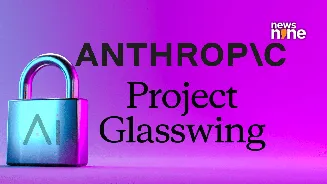
In response to the findings,Anthropic chose to postpone the release of Claude Mythos to the public. The company, instead, launched Project Glasswing, "an effort to use Mythos Preview to help secure the world’s most critical software, and to prepare the industry for the practices we all will need to adopt to keep ahead of cyberattackers."
The company is collaborating with more than 40 technology companies to use Mythos and address such weaknesses before potentially exposing the model to the public.
Apple, Microsoft, Google, Amazon Web Services, CrowdStrike, Palo Alto Networks, Cisco, Broadcom, and the Linux Foundation are among the main corporations represented in the consortium.
Anthropic has committed up to $100 million in usage credits to support the Project Glasswing initiative.
Access to the Claude Mythos Preview is currently restricted to a small group of critical industry partners and open source developers with Project Glasswing.
CEO Dario Amodei emphasised that while the risks are significant, the potential to create a more secure digital ecosystem is equally substantial.
In a post on X, Amodei wrote, "The dangers of getting this wrong are obvious, but if we get it right, there is a real opportunity to create a fundamentally more secure internet and world than we had before the advent of AI-powered cyber capabilities.”
Why the delay matters for the future of AI
Anthropic’s decision to delay the release reflects growing concerns about the rapid advancement of AI capabilities. The company warned that models with similar power could soon become widespread, making it essential to establish safeguards now.
In its statement, the company described a variety of surprising findings and occurrences, including the model's ability to follow instructions that pushed it to break out of a virtual sandbox.
"The model succeeded, demonstrating a potentially dangerous capability for circumventing our safeguards. It then went on to take additional, more concerning actions," it said.
Anthropic is now working closely with US Government agencies and security organisations to develop best practices for safely deploying such powerful systems.
Anthropic stated that it had opted not to publicly release Mythos, but they plan to release "Mythos-class models" once proper safeguards are in place.
The company, however, chose to withhold its public release due to concerns about its advanced ability to detect high-severity cybersecurity flaws in major operating systems and web browsers.
Claude Mythos was first revealed in a data leak of Anthropic’s content management system (CMS), which the company later confirmed would be its most capable AI model yet.
Speaking with Fortune at the time, an Anthropic spokesperson stated that the latest model is “the most capable we’ve built to date" and represents “a step change” in AI performance.
AI discovers hidden cyber threats across systems
According to Anthropic, the Claude Mythos Preview demonstrated exceptional skill in detecting thousands of cybersecurity vulnerabilities that had gone unnoticed by human experts.
In a blog post, the AT startup said that the model could identify thousands of ‘zero-day vulnerabilities’ across major web browsers and operating systems.
Among its most striking discoveries was a 27-year-old vulnerability in OpenBSD, an operating system widely regarded for its security. The model also uncovered multiple flaws within the Linux kernel, which powers a vast number of global servers.
According to Anthropic, these vulnerabilities could potentially allow attackers to escalate privileges and gain full control over affected systems.
Project Glasswing
In response to the findings,Anthropic chose to postpone the release of Claude Mythos to the public. The company, instead, launched Project Glasswing, "an effort to use Mythos Preview to help secure the world’s most critical software, and to prepare the industry for the practices we all will need to adopt to keep ahead of cyberattackers."
The company is collaborating with more than 40 technology companies to use Mythos and address such weaknesses before potentially exposing the model to the public.
Apple, Microsoft, Google, Amazon Web Services, CrowdStrike, Palo Alto Networks, Cisco, Broadcom, and the Linux Foundation are among the main corporations represented in the consortium.
Anthropic has committed up to $100 million in usage credits to support the Project Glasswing initiative.
Access to the Claude Mythos Preview is currently restricted to a small group of critical industry partners and open source developers with Project Glasswing.
CEO Dario Amodei emphasised that while the risks are significant, the potential to create a more secure digital ecosystem is equally substantial.
In a post on X, Amodei wrote, "The dangers of getting this wrong are obvious, but if we get it right, there is a real opportunity to create a fundamentally more secure internet and world than we had before the advent of AI-powered cyber capabilities.”
Why the delay matters for the future of AI
Anthropic’s decision to delay the release reflects growing concerns about the rapid advancement of AI capabilities. The company warned that models with similar power could soon become widespread, making it essential to establish safeguards now.
In its statement, the company described a variety of surprising findings and occurrences, including the model's ability to follow instructions that pushed it to break out of a virtual sandbox.
"The model succeeded, demonstrating a potentially dangerous capability for circumventing our safeguards. It then went on to take additional, more concerning actions," it said.
Anthropic is now working closely with US Government agencies and security organisations to develop best practices for safely deploying such powerful systems.
Anthropic stated that it had opted not to publicly release Mythos, but they plan to release "Mythos-class models" once proper safeguards are in place.