







What is the story about?
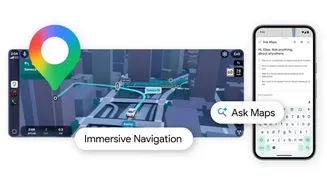
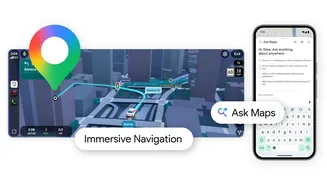
Gemini is powering a new feature called “Ask Maps”, a significant artificial intelligence (AI) enhancement for Google Maps in India. The update transforms the navigation app from a basic mapping tool into an AI-powered travel and discovery assistant by allowing users to interact with it through conversational queries. Mobile users in the US and India will soon be able to access the service.
Google Maps announced the feature in a post on X, stating, “Google Maps Gemini 3. Now that you can ask Maps complex questions, let’s dig into some prompts that showcase the true power of this update.
What is ‘Ask Maps’?
Google Maps has introduced a generative AI function called “Ask Maps”, which allows users to ask natural-language questions about locations, routes or travel plans. Instead of manually searching for places, users can speak or type queries such as “Where can I find a quiet café nearby?”
“Sometimes you need to find a place based on a specific, nuanced need. By asking exactly what you’re looking for, Google Maps will use Gemini to connect the dots across millions of reviews, then proactively show you insider tips from real people,” Google Maps wrote on X.
Powered by Gemini, the feature analyses data from Google Maps — including reviews, images and geographic information — to offer customised suggestions and detailed responses. The answers are designed to be tailored and contextualised according to user preferences and activity on the platform.
According to the company, results are also personalised based on previous searches and saved journeys in Google Maps, “making it easy to turn plans into action.”
How the feature works
A new tab or prompt labelled “Ask Maps” appears in the Google Maps interface. Once opened, users can interact with the AI chatbot directly within the app.
Users can:
For example, a user might ask, “What are good family-friendly restaurants along my route?” or “My phone is about to die — where can I charge it nearby?” The system then provides suggestions based on Maps data.
According to Google Maps, the feature can now “juggle multiple constraints, preferences, and real-time information (e.g. live traffic, busyness, transit, pricing details) to find you the perfect place to go.”
Google Maps, which celebrated its 20th anniversary in 2025, remains the world’s most widely used navigation tool, with more than 2 billion monthly users. Google is integrating more AI into its mapping service as part of a broader effort to differentiate Gemini from potential rivals and keep users engaged for longer.
Google Maps announced the feature in a post on X, stating, “Google Maps Gemini 3. Now that you can ask Maps complex questions, let’s dig into some prompts that showcase the true power of this update.
Google Maps ???? Gemini 3
Now that you can ask Maps complex questions, let’s dig into some prompts that showcase the true power of this update. ????
— Google Maps (@googlemaps) March 12, 2026
What is ‘Ask Maps’?
Google Maps has introduced a generative AI function called “Ask Maps”, which allows users to ask natural-language questions about locations, routes or travel plans. Instead of manually searching for places, users can speak or type queries such as “Where can I find a quiet café nearby?”
“Sometimes you need to find a place based on a specific, nuanced need. By asking exactly what you’re looking for, Google Maps will use Gemini to connect the dots across millions of reviews, then proactively show you insider tips from real people,” Google Maps wrote on X.
Sometimes you need to find a place based on a specific, nuanced need. By asking exactly what you’re looking for, Google Maps will
use Gemini to connect the dots across millions of reviews, then proactively show you insider tips from real people. For example: pic.twitter.com/skkcSZ5iUv
— Google Maps (@googlemaps) March 12, 2026
Powered by Gemini, the feature analyses data from Google Maps — including reviews, images and geographic information — to offer customised suggestions and detailed responses. The answers are designed to be tailored and contextualised according to user preferences and activity on the platform.
According to the company, results are also personalised based on previous searches and saved journeys in Google Maps, “making it easy to turn plans into action.”
How the feature works
A new tab or prompt labelled “Ask Maps” appears in the Google Maps interface. Once opened, users can interact with the AI chatbot directly within the app.
Users can:
- Make casual enquiries about nearby places or activities
- Get tailored suggestions for restaurants, cafés or things to do
- Receive recommendations for travel plans, stops and routes
- Ask follow-up questions to clarify results or explore further
For example, a user might ask, “What are good family-friendly restaurants along my route?” or “My phone is about to die — where can I charge it nearby?” The system then provides suggestions based on Maps data.
According to Google Maps, the feature can now “juggle multiple constraints, preferences, and real-time information (e.g. live traffic, busyness, transit, pricing details) to find you the perfect place to go.”
Planning a meal out with friends takes more than one text to the group chat. Google Maps can now juggle multiple constraints, preferences, and real-time information (e.g. live traffic, busyness, transit, pricing details) to find you the perfect place to go. For example: pic.twitter.com/EFGP1iBoxO
— Google Maps (@googlemaps) March 12, 2026
Google Maps, which celebrated its 20th anniversary in 2025, remains the world’s most widely used navigation tool, with more than 2 billion monthly users. Google is integrating more AI into its mapping service as part of a broader effort to differentiate Gemini from potential rivals and keep users engaged for longer.