







What is the story about?
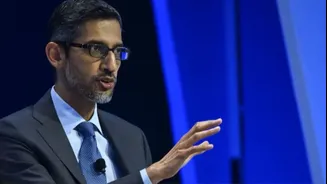
Google CEO Sundar Pichai has brought renewed attention to the idea of space-based data centres, suggesting it could become a “new normal” in the next decade. While he has not publicly committed to a fixed timeline, Pichai has previously described the concept as part of Google’s long-term “moonshot” initiatives.
In a Fox News interview in December, he said about exploring futuristic computing solutions, including placing data centres in orbit to directly harness solar power.
“One of our moonshots is to, how do we one day have data centres in space so that we can better harness the energy from the sun that is 100 trillion times more energy than what we produce on all of Earth today?” he was quoted as saying by Fortune.
He suggested that initial steps could begin around 2027, with pilot satellites testing the feasibility of such systems. According to him, within a decade, space-based data centres could become a more standard approach to building computing infrastructure.
“There’s no doubt to me that a decade or so away we’ll be viewing it as a more normal way to build data centres,” he added.
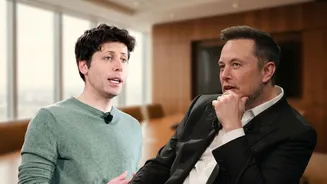
The conversation gained momentum after a viral post on X by entrepreneur Peter H. Diamandis highlighted Pichai’s remarks and linked them to similar views long expressed by Elon Musk.
The post suggested that the era of “orbital computing” may be closer than expected, especially as top tech leaders begin aligning on the idea.
Musk responded briefly, writing “true,” strengthening a position he has supported for years.
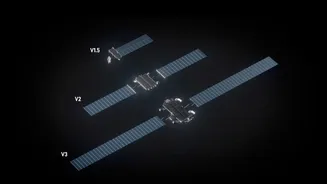
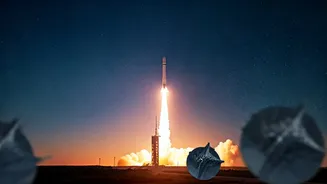
Musk has long advocated for expanding infrastructure into space. Through SpaceX, he has already deployed thousands of satellites under the Starlink project.
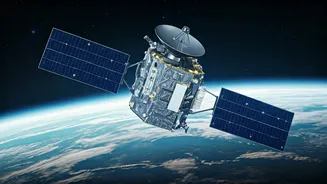
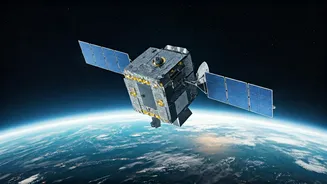
Space-based data centres refer to computing infrastructure placed in Earth’s orbit rather than on land. The concept aims to leverage uninterrupted solar power while reducing challenges such as cooling and land usage that traditional data centres face.
Such systems could also significantly lower energy consumption and environmental impact. However, the idea remains in its early stages and would require major technological breakthroughs, reduced launch costs, and infrastructure development.
In a Fox News interview in December, he said about exploring futuristic computing solutions, including placing data centres in orbit to directly harness solar power.
“One of our moonshots is to, how do we one day have data centres in space so that we can better harness the energy from the sun that is 100 trillion times more energy than what we produce on all of Earth today?” he was quoted as saying by Fortune.
He suggested that initial steps could begin around 2027, with pilot satellites testing the feasibility of such systems. According to him, within a decade, space-based data centres could become a more standard approach to building computing infrastructure.
“There’s no doubt to me that a decade or so away we’ll be viewing it as a more normal way to build data centres,” he added.
The conversation gained momentum after a viral post on X by entrepreneur Peter H. Diamandis highlighted Pichai’s remarks and linked them to similar views long expressed by Elon Musk.
The post suggested that the era of “orbital computing” may be closer than expected, especially as top tech leaders begin aligning on the idea.
True
https://t.co/eZUICBzqPu
— Elon Musk (@elonmusk) May 1, 2026
Musk responded briefly, writing “true,” strengthening a position he has supported for years.
Musk has long advocated for expanding infrastructure into space. Through SpaceX, he has already deployed thousands of satellites under the Starlink project.
Space-based data centres refer to computing infrastructure placed in Earth’s orbit rather than on land. The concept aims to leverage uninterrupted solar power while reducing challenges such as cooling and land usage that traditional data centres face.
Such systems could also significantly lower energy consumption and environmental impact. However, the idea remains in its early stages and would require major technological breakthroughs, reduced launch costs, and infrastructure development.