




The Green Myth vs. The Gray Reality
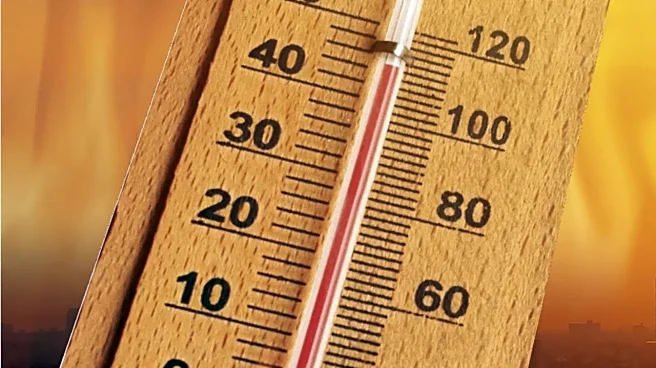
First, let's get the basics straight. Cities are hotter than surrounding rural areas because of the 'urban heat island' effect. Concrete, asphalt, and dark rooftops absorb and radiate the sun's heat, while cars and air conditioners pump out even more
warm air. Green spaces are our primary weapon against this. Plants cool the air through a process called evapotranspiration—essentially, plant sweat—and provide shade. A shaded surface can be 20 to 45 degrees cooler than one baking in the sun. So, the assumption has always been simple: more green equals more cool. The problem is, it's not that straightforward. The kind of green matters immensely.
The Problem with Big, Empty Lawns
Think of a vast, open park that's mostly just a carpet of neatly trimmed grass. While it's certainly cooler than a parking lot, this kind of green space is a major underperformer in the cooling department. Grass has very shallow roots and offers no shade. During a dry spell or heatwave, unirrigated lawns can dry out, stop transpiring, and their surfaces can become almost as hot as bare soil. One study found that while well-watered lawns provide some cooling, it's often a temporary burst at the cost of rapid water depletion. In contrast, trees provide a more stable, long-term cooling effect. So while a field of grass is better than asphalt, it's a missed opportunity compared to a more diverse, shady landscape.
Trees: Nature's Air Conditioners
The undisputed champions of urban cooling are trees. Their power comes from a two-pronged attack on heat. First is evapotranspiration. Because trees have deep root systems, they can continue to draw water and 'sweat' it out through their leaves even when surface soil is dry, providing consistent cooling. But their biggest contribution is shade. A dense tree canopy simply blocks the sun's radiation from ever hitting the ground. Research shows that shade from trees can be far more effective at improving human thermal comfort than just lowering the air temperature. One study found that a tree canopy can reduce the urban heat island effect by nearly 50 percent. The difference is stark: grassy areas might lower perceived temperature by a few degrees, while the shade of a tree can make it feel 12 to 22 degrees cooler.
When 'Green' Isn't Green at All
The most extreme example of a green space making things hotter is artificial turf. Often used for sports fields and in drought-prone areas, these plastic carpets can become dangerously hot, with surface temperatures soaring far above natural grass or even asphalt. They offer zero cooling from evapotranspiration and absorb massive amounts of solar radiation. While practical for high-use areas, from a thermal perspective, they are heat traps masquerading as green space. This highlights the crucial difference between a living, breathing ecosystem and something that merely looks green.
Designing Smarter, Cooler Parks
The takeaway isn't that green spaces are bad, but that their design is critical. The most effective cooling comes from a combination of elements. Urban planners now know that prioritizing a diverse mix of vegetation—especially a robust tree canopy with shrubs and groundcover—is key. Simply rolling out acres of turf is no longer seen as a sufficient strategy. Research suggests that a mix of dispersed trees and grass is often the most effective approach for cooling both day and night. The goal is to create 'park cool islands' that not only cool the area within their boundaries but also have a cooling effect that can extend for hundreds of meters into the surrounding neighborhood. Some studies suggest a green space needs to be a certain size, perhaps several acres, to generate this significant cooling effect.