







The Sound of Sunlight
When you think of ocean noise, you probably picture crashing waves, whale songs, or the deep drone of a container ship. You almost certainly don't think of plants. Yet, researchers have pinpointed a distinct sound coming from a source that has nothing
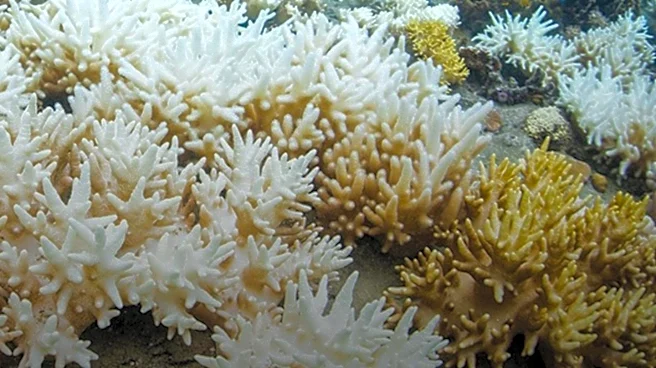
to do with animals or machines. The surprising culprit is algae, and the noise is a byproduct of photosynthesis. Oceanographers listening to coral reefs noticed a strange pattern: healthy reefs were dominated by low-frequency rumbles from fish and other animals, but degraded, algae-covered reefs had a distinct high-pitched crackle. At first, the sound was dismissed as the familiar clicking of snapping shrimp, one of the loudest residents of the reef. But the correlation with algae cover was too strong to ignore.
How a Plant Makes a Sound
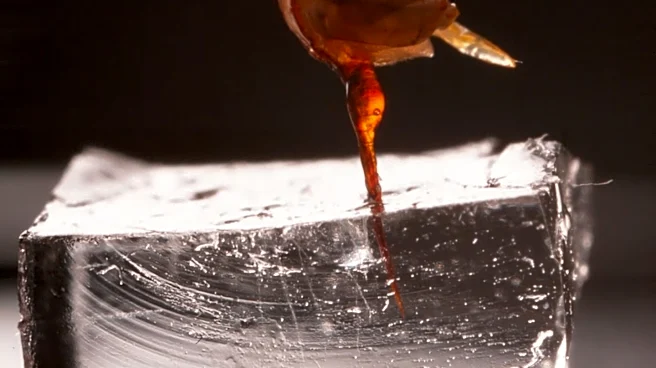
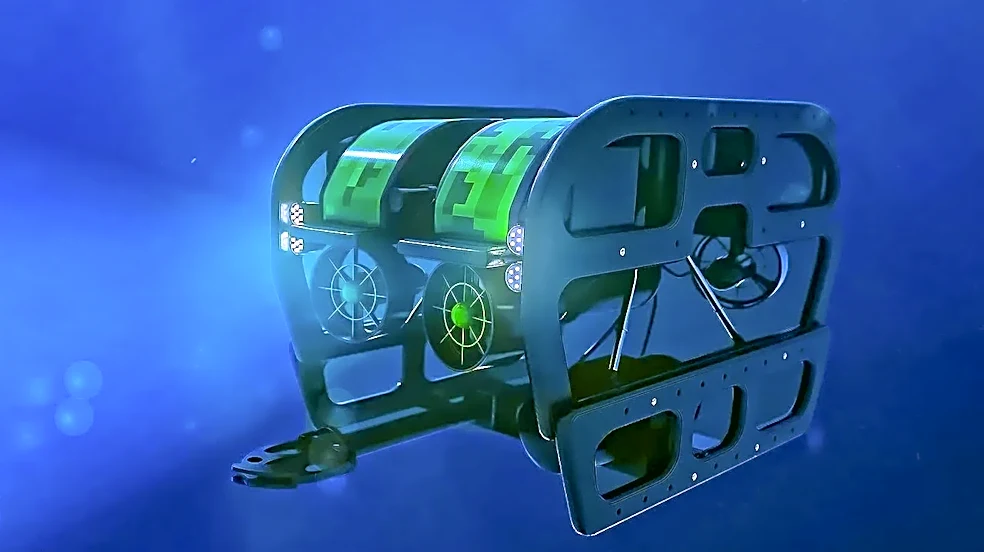
So how can algae, which has no vocal cords or moving parts to rub together, possibly make a noise? The answer, discovered by scientists, lies in tiny bubbles. Just like plants on land, algae converts sunlight and carbon dioxide into energy and oxygen. That oxygen is released underwater in the form of countless tiny bubbles. Researchers found that as each individual bubble detaches from the plant to float to the surface, it creates a faint but distinct 'ping' sound. While one ping is barely audible, the collective fizz from a massive algae bloom creates a constant, high-frequency crackle that can be picked up by sensitive underwater microphones, or hydrophones. To confirm their theory, scientists isolated red algae in a tank, free from the noise of shrimp and fish, and recorded the exact same high-frequency pings they heard on the struggling reefs.
A Stethoscope for the Reef
This discovery is more than just a fascinating piece of trivia; it offers a powerful new tool for monitoring the health of vital marine ecosystems. An overabundance of algae on a coral reef is often a major red flag. It can smother corals, blocking the sunlight they need to survive, and indicate problems like pollution from nutrient runoff or the overfishing of animals that would normally graze on the algae. By listening for this specific 'photosynthesis sound', scientists can essentially use soundscapes as a diagnostic tool. The sonic signature of a reef can reveal how much algae is present, allowing for a rapid, non-invasive way to assess its health from a distance. The hope is that eavesdropping on algae could alert conservation teams to problematic changes in a reef's composition long before they become irreversible.
A Symphony of the Sea
The sound of algae photosynthesis joins an already complex and bustling underwater soundscape. The ocean’s natural noises include the mournful songs of humpback whales, the clicks of dolphins, the rumbling of underwater earthquakes, and the constant crackle of snapping shrimp. But the loudest sounds are often our own. The persistent, low-frequency hum of global shipping traffic has become a dominant feature of the marine environment, alongside the powerful blasts of sonar and seismic surveys. These anthropogenic noises can interfere with the ability of animals to communicate and navigate. The discovery of photosynthesis as a sound source adds a new, subtle layer to this sonic world, reminding us that even the smallest biological processes contribute to the ocean’s symphony—and that we still have so much to learn about it.