

The Atlanta Falcons' Ground-and-Pound Surprise
The Falcons spent the offseason generating headlines with quarterback Tua Tagovailoa's arrival, signaling a potential shift to a more pass-heavy offense. However, after Tagovailoa was a surprise inactive due to back spasms, Cooper Rush stepped in. The result
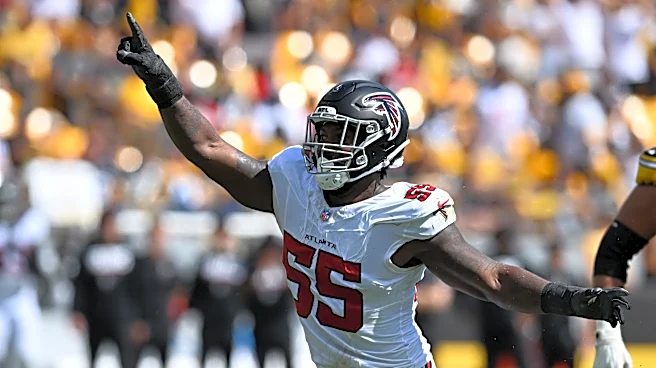
was an entirely different offensive philosophy in their 20-13 loss to the Pittsburgh Steelers. Instead of airing it out, Atlanta leaned heavily on its run game and defense. Bijan Robinson was the star, accounting for 173 of the team's 238 net yards. The Falcons ran the ball effectively, with Robinson gaining 83 yards on 21 carries. Although they lost, the Falcons showcased a tough, run-first identity that few anticipated, looking more like a team built to control the clock and win in the trenches than one designed for aerial fireworks.
The Pittsburgh Steelers' Defensive Dominance
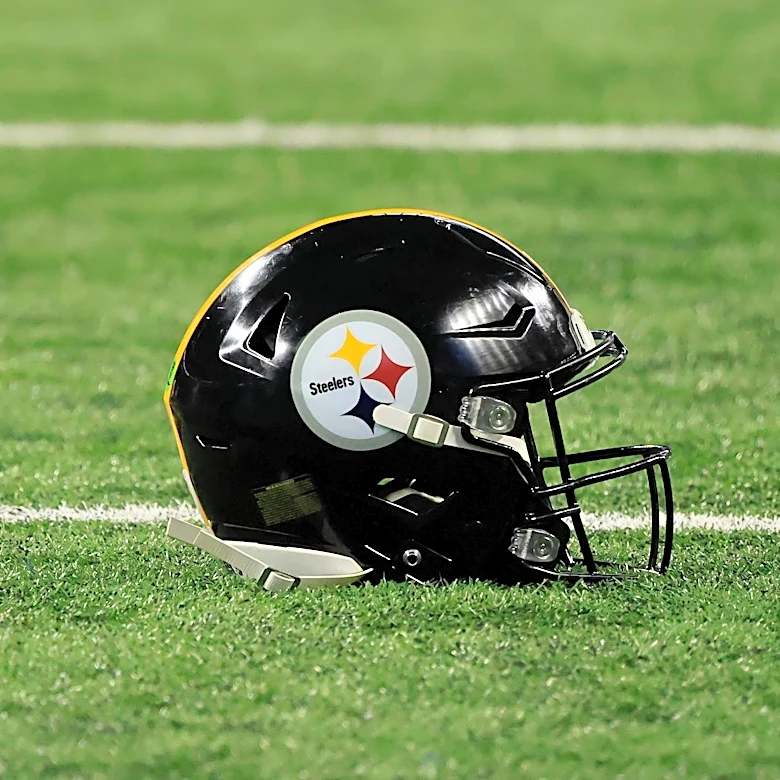
Under new head coach Mike McCarthy, the Steelers were expected to feature a more offensive-minded approach. However, their 20-13 victory over the Falcons was a throwback to the classic Steelers formula: defense leads the way. The offense struggled to find a rhythm, with neither team's longest drive resulting in points. Instead, it was the defense that made the game-changing plays. T.J. Watt was a force, returning an interception for a touchdown and recording two sacks. The defense held the Falcons to just 94 total yards in the first half and came up with crucial stops. While Aaron Rodgers and the offense work out the kinks, Week 1 showed that this team's identity is still firmly rooted in a physical, turnover-forcing defense.
The Houston Texans' High-Flying Offense
After a strong finish to last season, expectations were high for the Texans, but few predicted the offensive explosion they unleashed in a 36-31 shootout loss to the Buffalo Bills. Quarterback C.J. Stroud looked sharp, throwing for over 270 yards and spreading the ball to 11 different receivers. The team showed significant improvement in the red zone, scoring touchdowns on four of five trips after ranking 30th in that category last season. New running back David Montgomery made an immediate impact with three touchdowns. While the defense struggled, giving up two 90-plus yard drives, the offense proved it can go toe-to-toe with the league's elite, a stark departure from the defensive-minded team of the past.
The Green Bay Packers' Fourth-Quarter Collapse
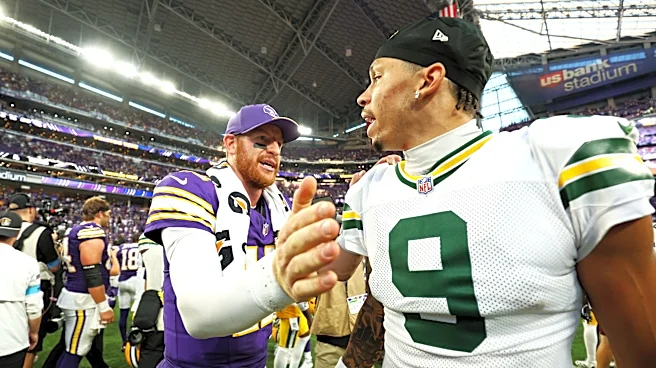
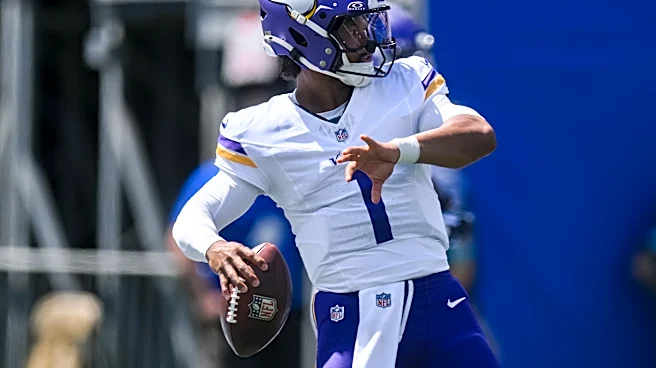
For three quarters against the Minnesota Vikings, the Packers looked like a contender, building a 22-10 lead. Jordan Love was airing it out, connecting with Christian Watson for an 81-yard touchdown en route to a 387-yard passing day. But the team's identity completely fractured in the final quarter. A failed fourth-and-one sneak from just outside the red zone triggered a complete momentum shift. From that point on, the Vikings scored 29 unanswered points, capitalizing on penalties and two late turnovers from Love. The Packers, who seemed aggressive and in control, suddenly looked undisciplined and fragile, raising serious questions about their ability to close out games.
The New York Giants' Unexpected Offensive Punch
Many expected another rebuilding year for the Giants, but they delivered one of Week 1's biggest shocks with a 28-20 victory over the Dallas Cowboys. The surprise came from rookie quarterback Jaxson Dart, who looked poised and effective, throwing for 230 yards and three touchdowns. The offense, which has struggled for identity in recent years, appeared confident and controlled the clock for over 36 minutes. With receiver Malik Nabers making a successful return from injury and Isaiah Likely emerging with two touchdown catches, the Giants suddenly have an intriguing and competent passing attack. This performance suggests they may be far more competitive than anyone predicted.
The Los Angeles Rams' Defensive Reality Check
Hailed as a potential superteam after acquiring star pass rusher Myles Garrett and seeing Aaron Donald return, the Rams entered the season with immense defensive hype. That narrative crumbled in a 27-7 loss to the 49ers. Garrett was a non-factor and later scheduled for surgery, and the defense as a whole looked out of sync. The cornerbacks acquired in the offseason struggled in the team's zone scheme, and the unit failed to match the 49ers' intensity. After an offseason of being lauded as perhaps the most talented defense in the league, the Rams looked vulnerable and disjointed, a far cry from the dominant force they were expected to be.