





A Crisis of Confidence and Identity
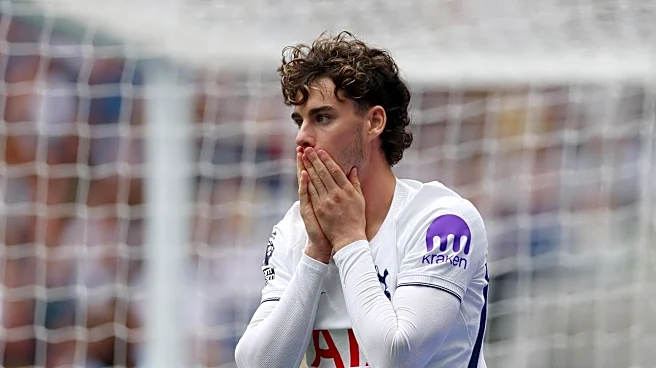
Just five games into the Premier League season, Tottenham find themselves in 18th place with just two points. The latest setback, a 3-2 home defeat to Aston Villa, saw the team finally score its first league goals of the campaign, yet the result only
deepened the gloom. For American fans, imagine a team with the budget and history of the Dallas Cowboys starting the season 0-3-2 and sitting at the bottom of their division. The pre-season optimism, fueled by nearly $500 million in new signings, has evaporated. Now, a familiar sense of fragility has returned. The team that needed a final-day result to avoid the drop last season looks just as tentative, despite the influx of new talent. As one new signing, veteran defender Andy Robertson, put it, the team is still guilty of "carrying that weight of last season on our shoulders."
Defensive Disarray and Tactical Stubbornness
A key issue is a defense that crumbles at the first sign of trouble. Against Villa, Spurs created plenty of early chances but failed to score, only to concede a sloppy, avoidable goal right before halftime. From there, a predictable collapse ensued. Manager Roberto De Zerbi, who was brought in to save the club last season, called the way his team conceded the second goal "unbelievable." The manager's tactical philosophy is also under fire. De Zerbi favors a high-risk, possession-heavy style, but critics argue he lacks the right players to execute it effectively and doesn't have a "Plan B" when things go wrong. This isn't a new criticism; even during a successful European run under a previous coach, players reportedly had to implore the manager to adopt a more defensive mindset to protect leads. Without tactical flexibility, the team is getting exposed.
An Attack That Can't Finish
While the defense is porous, the attack has been equally frustrating. Before the Villa match, Spurs had failed to score in their first four league games. The problem isn't a lack of effort in getting forward; the team ranks high in touches in the opponent's penalty box. The issue is what happens next. They are taking too many touches per shot, suggesting indecisiveness and a lack of clinical finishing. The club's summer transfer business focused on signing Premier League-proven talent, but the new attackers have yet to find their scoring form. Dominic Solanke, Sávio, and Omar Marmoush are all struggling to replicate the magic they showed at previous clubs. With so many new faces, the team has lacked continuity, and De Zerbi has made more changes to his starting lineup than any other manager in the league, further hindering the attack's ability to gel.
Is This Just 'Spursy'?
For long-suffering fans, this all feels depressingly familiar. "Spursy" is a term rival fans use (and Spurs fans fear) to describe a tendency toward snatching defeat from the jaws of victory, characterized by a mental fragility that leads to collapses in big moments. The team has not won a game in which they've fallen behind in their last 48 attempts, a statistic that speaks to a deep-seated lack of resilience. Even after a summer of massive investment designed to break this cycle, the same problems persist: individual errors, a lack of confidence, and an inability to handle adversity. The hope was that new players wouldn't carry the same psychological baggage, but the early signs suggest the club's culture of fragility is a difficult one to shake.