

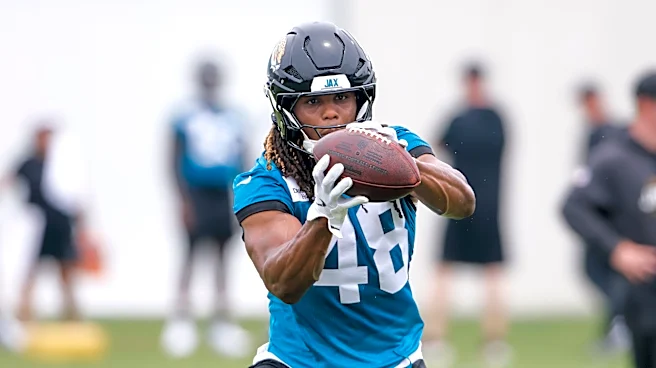
From 90 to 53: The Basics
The fundamental process is simple arithmetic. Throughout training camp and the preseason, NFL rosters are expanded to 90 players. This allows teams to evaluate rookies, undrafted free agents, and veterans fighting for a job. However, before Week 1 of
the regular season, every team must reduce its roster to a maximum of 53 players. For the 2026 season, that deadline is Sunday, August 30. In a single weekend, around 1,200 players across the league will be let go. This isn't just about trimming the fat; it's a complex puzzle involving player performance, positional depth, and special teams ability. A slightly less talented receiver who is a great punt returner might win a spot over a better pass-catcher who only plays one role. It's a high-stakes game of roster sudoku where every piece has to fit perfectly.
The Cold Hard Math of the Salary Cap
Often, the toughest decisions have less to do with talent and more to do with money. Every NFL team operates under a hard salary cap, which is a strict limit on total player spending. A player's contract might seem straightforward, but it's the structure that matters. When a player is cut, the team is generally off the hook for any non-guaranteed base salary. However, signing bonuses, which are often paid upfront, are typically spread out against the salary cap over the life of the contract (up to five years). If a player is cut before his contract ends, all the remaining uncounted bonus money immediately accelerates onto the current year's cap. This is known as "dead money"—cap space taken up by a player who is no longer on the team. Because of this, cutting an expensive veteran isn't always a simple cost-saving measure. A team has to weigh the cap savings from the lost salary against the dead money hit from the accelerated bonus.
Big Names on the Chopping Block
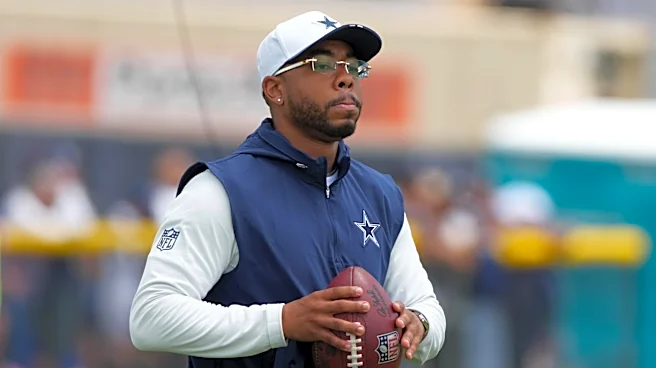
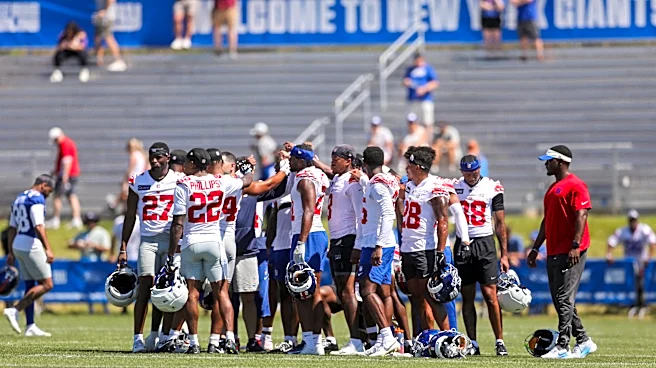
This financial and performance-based pressure means even established veterans and former high draft picks aren't safe. For example, former New York Giants first-round pick Evan Neal has struggled to perform consistently. After the team invested in other offensive linemen and drafted Francis Mauigoa, Neal's spot, despite his draft pedigree, is far from secure. Similarly, in the Giants' backfield, the recent signing of Najee Harris has put pressure on players like Tyrone Tracy Jr. and Devin Singletary, who now find themselves in a crowded competition for limited spots. In Dallas, the Cowboys' addition of veteran pass rusher Von Miller could squeeze out a player like Sam Williams, who is on a one-year deal. These situations show that a player's past accomplishments or contract size don't guarantee them a place on the final 53-man roster.
Life After the Cut: Waivers and Practice Squads
Getting cut isn't always the end of the line. For players with less than four years of accrued NFL experience, the journey takes a detour through the waiver wire. This means other teams get a chance to claim them and their existing contract. If a player passes through waivers unclaimed, they become a free agent. Veterans with four or more seasons are typically released directly into free agency. For many of these players, the next stop is the practice squad. Each team can keep a 16-player practice squad, which now includes roster spots for a number of veterans. These players practice with the team and can be elevated to the active roster for games. The practice squad has evolved from a developmental afterthought into a crucial extension of the main roster, providing vital depth throughout the long season. A player cut on Sunday could be signed to another team's active roster by Monday or re-signed to his original team's practice squad by Wednesday.