








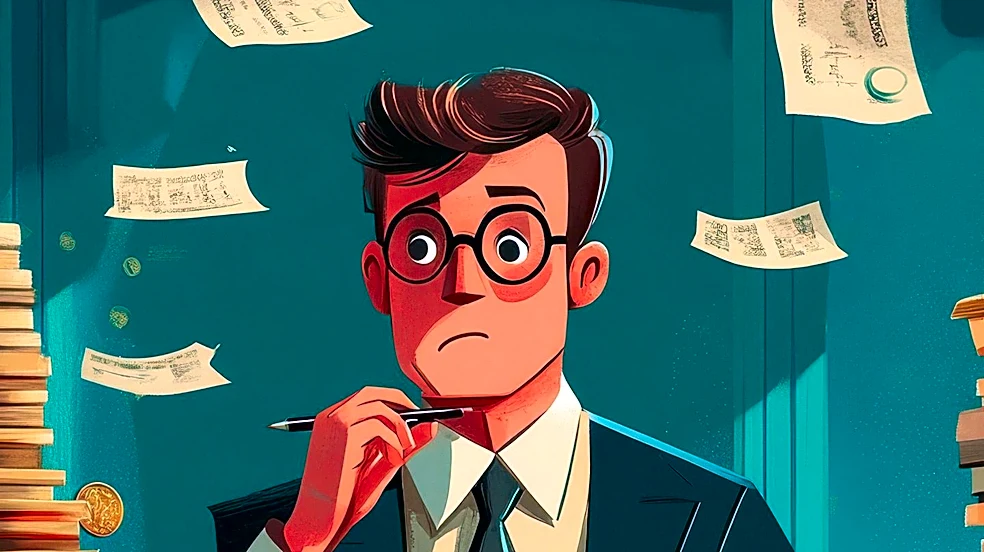

Success Starts to Feel Hollow
One of the most confusing signs is achieving a long-sought-after goal and feeling a sense of anticlimax instead of joy. When the promotions, salary bumps, and titles that once fueled you no longer provide a lasting sense of satisfaction, it’s a powerful
indicator that your internal definition of success has shifted. You might tell yourself you 'should' be happy, but the excitement has faded. This emotional disconnect happens when the external rewards of your job no longer align with your internal values and what you now find meaningful.
You're No Longer Curious
Remember when you were eager to learn everything about your industry? If that hunger for knowledge has been replaced by a sense of monotony, pay attention. A career that doesn't challenge you or spark your curiosity has likely hit a content plateau. You might find yourself performing tasks on autopilot, with little interest in professional development or taking on new projects. When the desire to learn and grow within your current framework disappears, it’s often because you've absorbed all the challenges the role can offer and are subconsciously ready for a new learning curve.
The Next Step Holds No Appeal
Looking up the ladder should be exciting, but for you, it brings a sense of dread. If the next logical promotion or career step feels more like a burden than an opportunity, it’s a clear signal you've outgrown the path you're on. You may see colleagues striving for the next level and feel no envy or ambition to join them. This isn't laziness; it’s a sign that your aspirations have evolved beyond the predefined track your company or industry has laid out. Your future self wants something different than what the established hierarchy can provide.
Your Values and Your Work Are Mismatched
The goals you set in your early twenties might have prioritized financial security or prestige. But as you've evolved, you may find that things like flexibility, purpose, autonomy, or work-life balance have become more important. This misalignment is a common reason for feeling stagnant. If you find yourself questioning the 'why' behind your work or feeling that your job requires you to be someone you no longer are, it’s a sign that you have changed, even if your job hasn't. A career should be in sync with the person you are today, not the person you were years ago.
You Daydream About Different Paths
Everyone daydreams, but if your thoughts consistently drift to entirely different careers, industries, or lifestyles, it's more than just idle fantasy. It’s your subconscious exploring other possibilities. You might find yourself envious of a friend's seemingly more meaningful job or spending your evenings researching new fields of work. This isn’t a distraction; it's a form of internal data collection. That persistent 'what if?' voice is a powerful indicator that you're mentally and emotionally preparing for a change, even if you haven't admitted it to yourself yet.