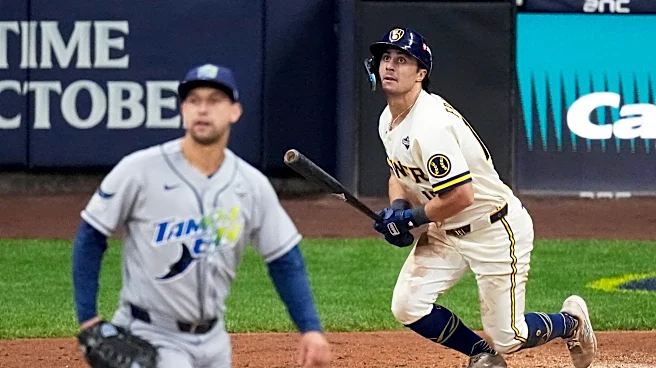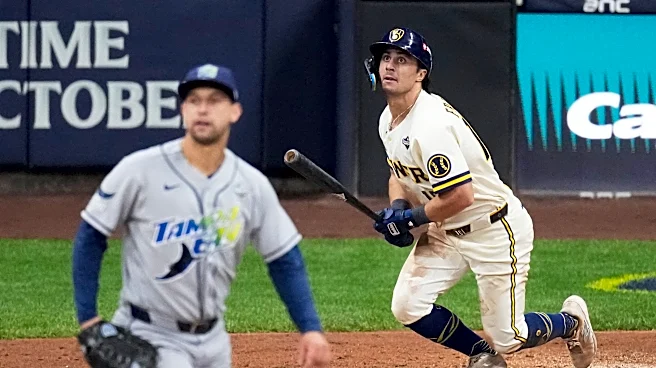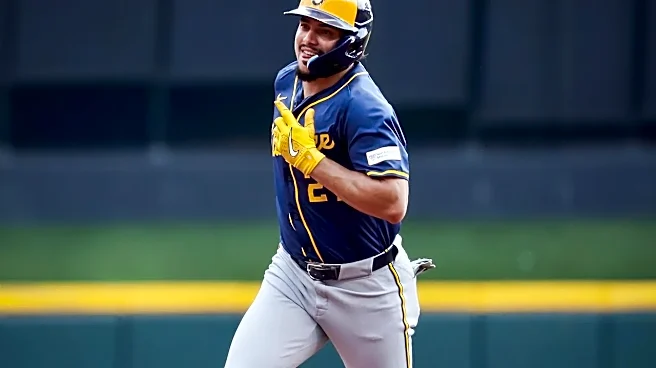

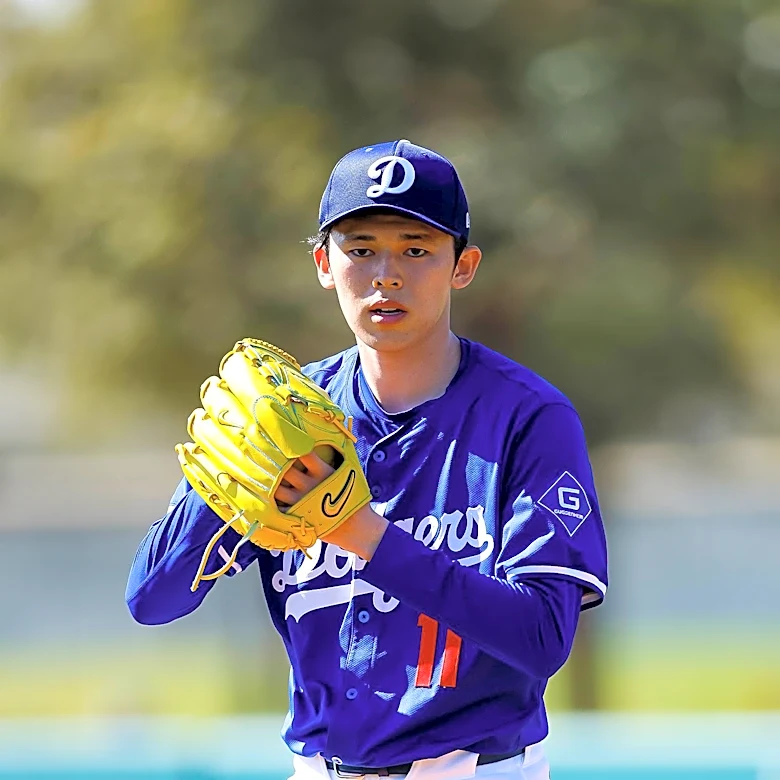


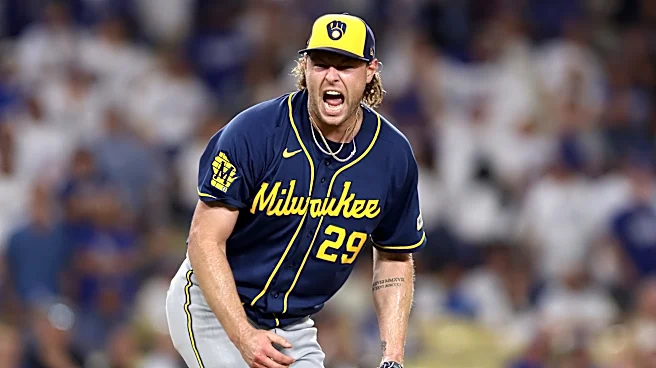

It sounds like a ridiculous question to ask about the World Series. How could a home team possibly be outnumbered in their own stadium? But as the Brewers and Rays battle for a title, it's not just possible—it’s looking probable.
A Wild Tale of Two Ticket Markets
The story begins with
a staggering economic anomaly. As the Brewers clinched their first World Series appearance in decades, the ticket prices in Milwaukee went into the stratosphere. The get-in price for Games 1 and 2 at American Family Field soared to nearly $3,000 on the secondary market, figures usually reserved for the Super Bowl. Meanwhile, in St. Petersburg, the market for games at Tropicana Field has been comparatively soft. Tickets for Games 3 and 4 could be found for under $1,000, and in some cases, closer to $500. The gap became so vast that a simple, shocking calculation emerged: for the price of one standing-room-only ticket in Milwaukee, a Brewers fan could book a round-trip flight to Tampa, secure a hotel room, and buy a much better seat to see their team play on the road. And that’s exactly what thousands of them have decided to do.
The Passion of the Brew Crew
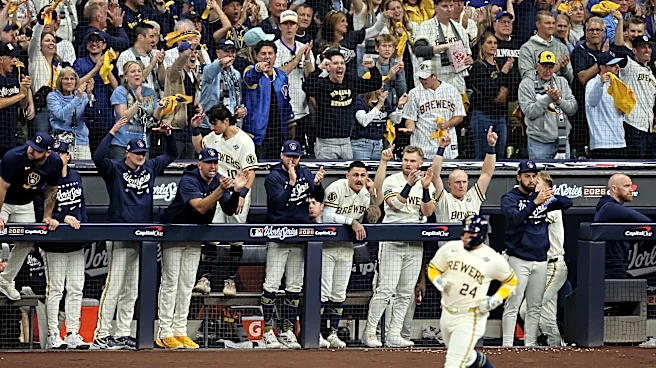
This isn’t just about economics; it’s about a specific kind of fan devotion. The Brewers, despite playing in MLB's smallest media market, have a deeply entrenched and famously loyal fanbase that has been waiting over 40 years for this moment. Fans from around the world, some of whom were children during the team's last World Series run in 1982, have pledged to be there this time. This 'once-in-a-lifetime' mentality fuels a willingness to travel and spend that few fanbases can match. The Brewers' faithful have a reputation for traveling well, but the World Series has kicked that into overdrive. Airports in both Milwaukee and Chicago have been flooded with fans in blue and gold, all heading south, creating a mass exodus driven by a combination of desperation and surprising affordability.
The Tampa Bay Conundrum
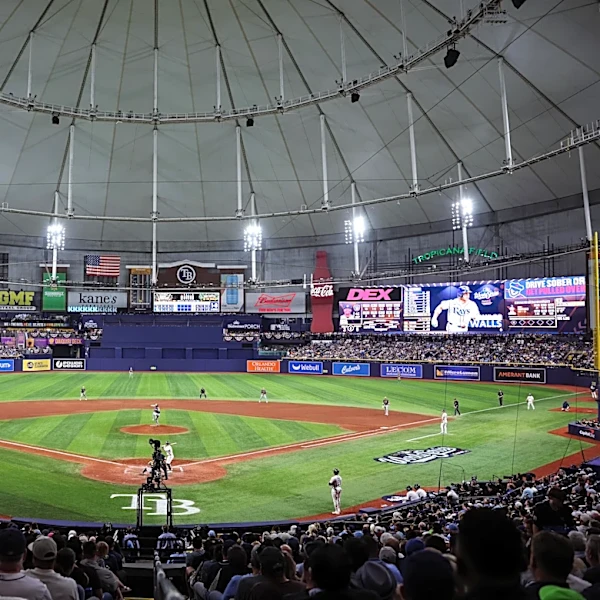
On the other side is the complex story of the Tampa Bay Rays. Despite consistent on-field success, the team has faced persistent attendance challenges for years. Analysts point to a combination of factors: an inconveniently located and often-criticized stadium in Tropicana Field, a transient Florida population where fan loyalties are often tied to teams from back home, and the high cost of playoff tickets pricing out casual local supporters. Even during their recent ALCS run, the team failed to sell out a crucial home game, sparking national debate. While the Rays have a core of dedicated followers, they lack the multi-generational, geographically concentrated support that defines a fanbase like Milwaukee's. This creates a vacuum that a traveling army of opposing fans is perfectly positioned to fill, a phenomenon that was already evident in Game 3, where large sections of the Trop were visibly and audibly supporting the Brewers.
The 'Home-Field Disadvantage'
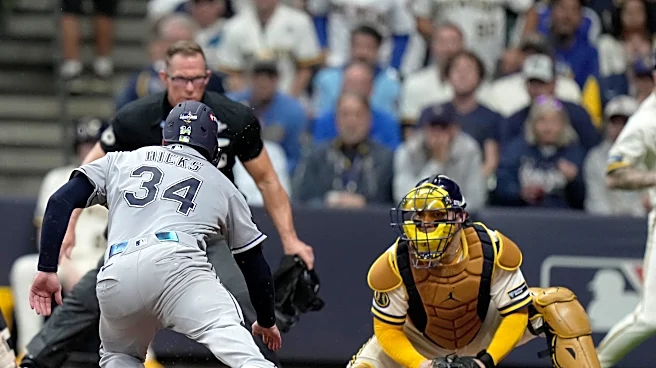
After a commanding 10–1 victory by Milwaukee in Game 3, the stage is set for a potential series–clinching Game 4. The presence of Brewers fans was so significant Monday night that players and managers from both teams commented on it, with one Brewers player estimating they had 20,000 supporters in the stands. With the Brewers now on the brink of their first–ever championship, the demand from their fans is only intensifying. The get–in price for Game 4 has more than doubled since Game 3, driven almost entirely by Wisconsin–based buyers hoping to witness history. Rays fans, deflated by a 3–0 series deficit, may be less inclined to spend big, creating the perfect storm for a visiting crowd to dominate the atmosphere. What was once a speculative question is now a visual and audible reality: Tropicana Field is on the verge of becoming Miller Park South.