



Dallol, Ethiopia: The Psychedelic Hotspot
Imagine a landscape that looks like it was painted by aliens. That’s the Dallol hydrothermal field in Ethiopia’s Danakil Depression. It’s one of the hottest inhabited places on Earth, with a landscape of shimmering, acid-filled pools, toxic gas vents,
and salt chimneys. Winter temperatures can top 113°F (45°C), and the water bubbles with hyper-acidic and hypersaline fluids at a pH that can dip below zero. For years, scientists debated if anything could survive here. While the most extreme pools appear to be sterile, recent studies have confirmed that a rich diversity of 'polyextremophiles'—microbes that can handle multiple extreme conditions at once—thrive in the surrounding salt plains and less severe pools. These are primitive salt-loving microorganisms called archaea, which have figured out how to flourish in a toxic blend of heat, salt, and acid.
The Atacama Desert, Chile: Drier Than a Bone
Often called the driest place on Earth, parts of Chile's Atacama Desert receive virtually no rainfall for years, making it an excellent analog for the surface of Mars. The soil is so arid and intensely radiated by the sun that it was long considered sterile. Yet life persists, just not in the way you’d expect. Instead of finding water, microorganisms have moved in. Bacteria, algae, and fungi take refuge inside porous rocks or just beneath the salty soil surface, where they are shielded from UV radiation and can capture the faintest traces of moisture from fog or dew. These hidden communities, known as endoliths, live in a state of suspended animation, slowing their metabolism to almost nothing while they wait for a rare drop of water. Their ability to survive in such a desiccated, Mars-like world is a key focus for astrobiologists searching for life beyond Earth.
Antarctica's Dry Valleys: The Coldest Desert
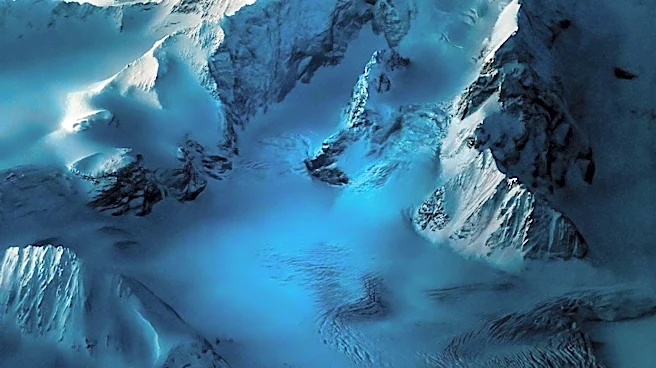
When you think of Antarctica, you picture ice. But the McMurdo Dry Valleys are a vast, ice-free polar desert, one of the driest and coldest on the planet. Katabatic winds, which can reach speeds of 200 mph, scour the landscape, evaporating any moisture and preventing snow from accumulating. At first glance, the barren, rocky terrain looks completely lifeless. But here too, life hides. Microscopic organisms like bacteria, algae, nematodes, and hardy tardigrades form communities within the soil and stream beds that flow for a few weeks during the brief summer. These lifeforms have adapted to an extreme freeze-thaw cycle, thriving in the frigid conditions. The valleys also feature the infamous "Blood Falls," a plume of iron-oxide-rich saltwater leaking from beneath a glacier, which supports a unique microbial ecosystem completely cut off from light and air.
Deep-Sea Hydrothermal Vents: Life Without Sun
Plunge miles deep into the ocean, and you'll find a world of total darkness, crushing pressure, and freezing temperatures. But along mid-ocean ridges, volcanic activity creates hydrothermal vents—underwater geysers that spew superheated, mineral-rich water reaching over 750°F (400°C). It sounds like a recipe for death, but these vents support bustling ecosystems. Instead of relying on sunlight for energy, the base of this food web is made of chemosynthetic bacteria and archaea. These microbes harness chemical energy from compounds like hydrogen sulfide—toxic to most life—to create organic matter. This process fuels a dense community of bizarre creatures, including giant tube worms with vibrant red plumes, dense beds of mussels and clams, and swarms of shrimp, all thriving in an environment that would instantly kill surface-dwellers.
The Mariana Trench: Under Pressure
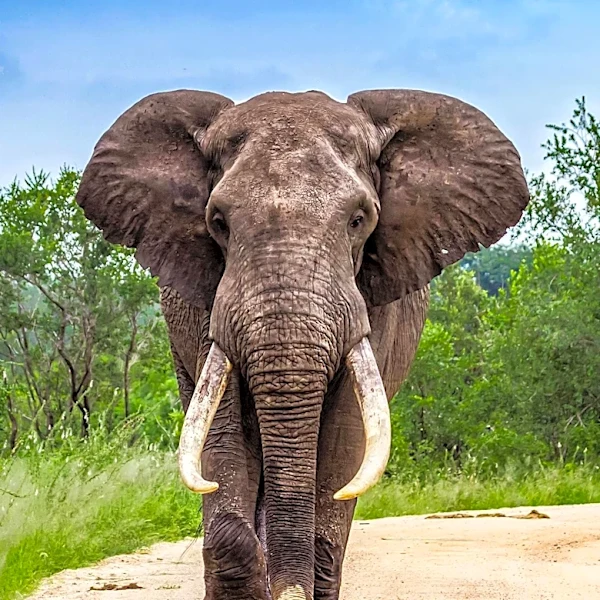
The Mariana Trench is the deepest known point in any ocean, plunging nearly 7 miles (11,000 meters) below the surface. The pressure here is over 1,000 times that at sea level—equivalent to having 100 elephants stand on your head. It's a realm of perpetual darkness and near-freezing temperatures. Yet, expeditions have revealed that life is surprisingly abundant. Scientists have discovered giant single-celled organisms called xenophyophores, shrimp-like amphipods, and sea cucumbers. The undisputed king of the trench, however, is the Mariana snailfish, a small, gelatinous, translucent fish that thrives at depths of around 5 miles (8,000 meters). It has evolved a scaleless, soft body and specialized enzymes that allow its cells to function under the immense, bone-crushing pressure.