

The Offensive Arms Race
To understand the rise of the do-it-all safety, you first have to look at the offensive revolution that made them necessary. For years, NFL offenses have become faster, smarter, and more widespread. The days of predictable formations are over. Today’s
game is about creating mismatches. Offenses spread the field with three or four wide receivers, deploy tight ends who are essentially massive receivers, and use running backs who can catch passes out of the backfield. This forces defenses into a bind. A traditional, heavy-set linebacker might be great against the run but is often a liability when forced to cover a shifty slot receiver. Conversely, a smaller cornerback might be excellent in coverage but can be overpowered in the run game. Offensive coordinators and quarterbacks are specifically trained to identify and attack these mismatches pre-snap. The result is an endless cat-and-mouse game where offenses dictate the terms, forcing defenses to find players who don't have a clear weakness.
The Swiss Army Knife Solution
Enter the modern safety. The position has evolved from two distinct roles—a hard-hitting 'strong safety' playing near the line of scrimmage and a deep-coverage 'free safety' playing center field—into a blended, more versatile archetype. Teams now covet safeties who are interchangeable. These players possess a rare combination of skills: the speed and agility to cover receivers like a cornerback, the size and strength to tackle running backs like a linebacker, and the intelligence to read formations and communicate adjustments like a quarterback for the defense. Some teams have even begun using safeties in a hybrid 'big nickel' role, where a safety essentially replaces a linebacker on passing downs to provide better coverage without sacrificing too much size against the run. This 'positionless' defender is the ultimate defensive chess piece, capable of plugging whatever hole the offense is trying to create.
Disguise, Deception, and Two-High Shells
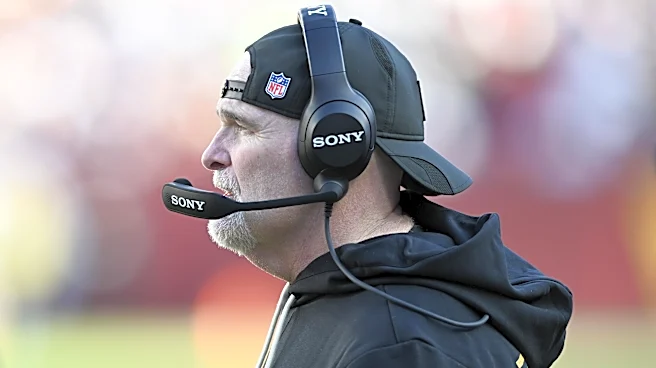
Beyond their physical versatility, modern safeties are the key to the NFL's most popular defensive schemes. Many of today's top defenses, like those pioneered by coordinators such as Vic Fangio, are built around using two deep safeties—a 'two-high shell'. This look accomplishes two critical goals. First, it helps prevent the explosive, deep-pass plays that can change a game in an instant. Second, and more importantly, it allows for deception. When two safeties with similar skill sets line up deep before the snap, the quarterback has no idea what their assignments are. Is one dropping down to cover the tight end? Is one blitzing? Are they both staying deep? This pre-snap uncertainty, often called creating an 'illusion of complexity', can cause the quarterback to hesitate for a split second—a major victory for the defense. These split-safety schemes allow defenses to run multiple coverages from the same initial look, making them far less predictable.
The Quarterback of the Defense
The added responsibility isn't just physical; it's mental. As offenses have become more complex with pre-snap motions and shifts, the burden of communication on defense has grown. Safeties, with their vantage point deep in the defensive backfield, have the best view of the entire offensive formation. This makes them the natural candidates to be the on-field communicators, responsible for identifying the offensive formation, making checks, and aligning the rest of the defense. Their role is no longer just to react to the play but to anticipate it and put the entire defense in the best position to succeed. This high football IQ is now a non-negotiable trait for elite players at the position. They must process an immense amount of information in seconds and make the right call, much like the quarterback they are defending against.