





Meet the Air Quality Index (AQI)
The simplest way to gauge air safety is by using the U.S. Air Quality Index, or AQI. Managed by the Environmental Protection Agency (EPA), the AQI is a nationally uniform system that translates complex pollution data into a single, easy-to-understand
number and color. The scale runs from 0 to 500, with six color-coded categories. Think of it like a thermometer for air pollution; the higher the number, the greater the health concern. The index tracks five major pollutants regulated by the Clean Air Act, but the two that most often affect daily air quality are ground-level ozone and particulate matter. An AQI value of 100 generally corresponds to the national air quality standard for that pollutant—anything below 100 is considered satisfactory, while anything above signals increasingly unhealthy air.
Why Everyone Talks About PM2.5
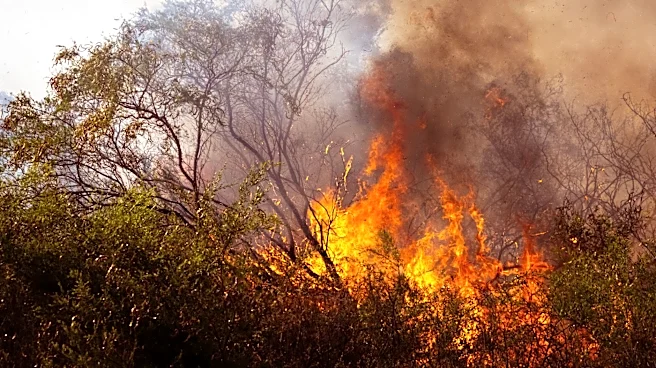
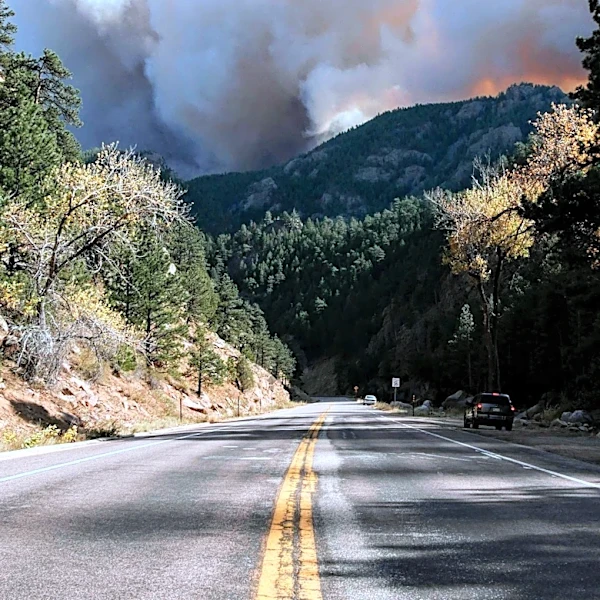
You’ll often hear experts and news reports mention a specific pollutant: PM2.5. This refers to fine particulate matter smaller than 2.5 micrometers—about 30 times smaller than a human hair. Its size is precisely what makes it so dangerous. While larger particles get trapped in the nose and throat, PM2.5 can travel deep into the lungs and even enter the bloodstream. This can cause short-term issues like eye and throat irritation, coughing, and shortness of breath. For children, older adults, and people with heart or lung disease, the risks are more severe. Long-term exposure is linked to serious conditions like aggravated asthma, heart attacks, and decreased lung function. Wildfires are a major source of this type of pollution, which is why air quality can deteriorate rapidly even hundreds of miles away from a blaze.
Your Go-To Tool: AirNow.gov
The most reliable place to check your local air quality is AirNow.gov, the official hub run by the EPA and its partners. Simply enter your zip code, and the site will display the current AQI for your area on a color-coded dial. It also identifies the main pollutant responsible for the current reading. During wildfire season, the site's Fire and Smoke Map is particularly useful, as it combines data from official monitors, temporary sensors, and satellite imagery to give a detailed view of smoke impacts. Making a habit of checking AirNow can be as routine and useful as checking the daily weather forecast, empowering you to make informed decisions about your day.
Decoding the AQI: What to Do at Each Level
Understanding the numbers and colors is key to protecting your health. Here’s a breakdown of the official guidance: Green (AQI 0–50): Good. Air quality is great, and pollution poses little to no risk. It’s a perfect day for outdoor activities. Yellow (AQI 51–100): Moderate. Air quality is acceptable. However, a very small number of people who are unusually sensitive to air pollution might experience some effects. Orange (AQI 101–150): Unhealthy for Sensitive Groups. At this level, people with heart or lung disease, older adults, children, and teens should reduce prolonged or heavy exertion outdoors. The general public is less likely to be affected. Red (AQI 151–200): Unhealthy. Some members of the general public may experience health effects, and sensitive groups may face more serious issues. Everyone should limit prolonged outdoor exertion. Purple (AQI 201–300): Very Unhealthy. This triggers a health alert. The risk of health effects increases for everyone. People in sensitive groups should avoid all physical activity outdoors. Hazardous (AQI 301+): This is an emergency condition where the entire population is likely to be affected by serious health effects.
What to Do When the Air Is Bad
When the AQI climbs into the unhealthy ranges, the best defense is to limit your exposure. Stay indoors as much as possible with the windows and doors closed. If you have an air conditioner, run it on the recirculation setting to avoid pulling in smoky air from outside. Using a portable air cleaner with a HEPA filter can also significantly improve your indoor air. Avoid activities that create more indoor pollution, like burning candles, frying food, or vacuuming. If you absolutely must go outside, a standard cloth or paper dust mask won't protect you from fine particles. Health authorities recommend using a well-fitted N95 or KN95 respirator to filter out the most harmful pollutants.