



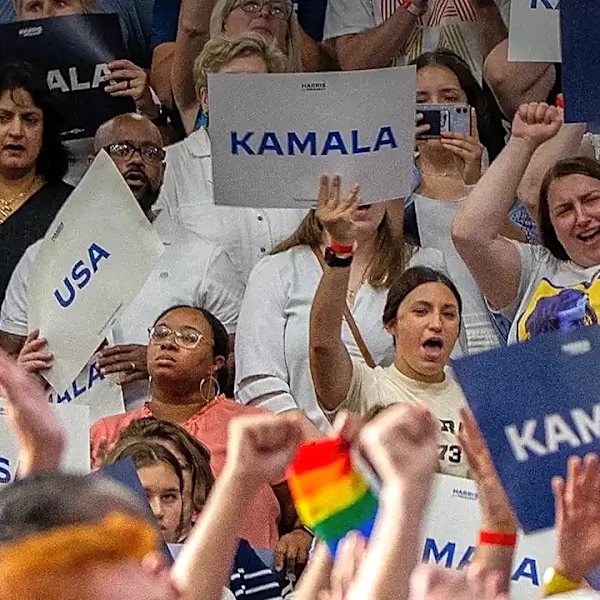
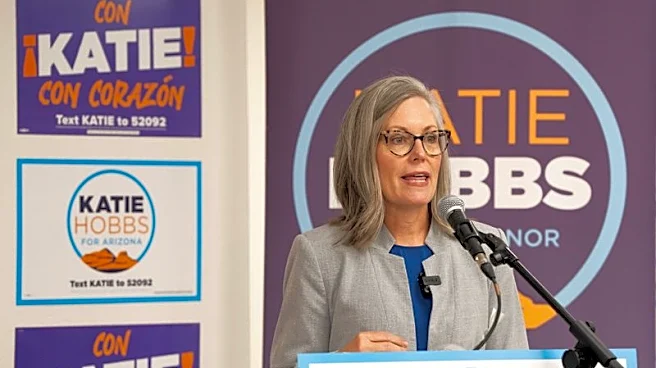


The 2026 midterm elections defied easy narratives, but one of the most significant stories emerging from the data is a subtle but critical shift among white women voters. What prompted this change, and what does it signal for America's political future?
The Numbers Behind the Narrative
Post-election analysis and exit polls paint a clear, if complex, picture. While Republicans maintained a razor-thin majority among white women overall, Democrats made significant inroads, closing the gap by nearly five points nationally compared to the 2022 midterms. The real story, however, was in the details. The shift was almost entirely driven by white women with college degrees, a group that broke for Democrats by a decisive margin. This demographic proved to be the firewall that prevented a predicted 'red wave' in key suburban districts across the Rust Belt and Sun Belt, turning several projected losses into narrow Democratic holds.
The Unignorable Issue of Abortion
Four years after the Supreme Court overturned Roe v. Wade, the politics of abortion have not faded; they have intensified. For a crucial slice of the electorate, the issue has become a non-negotiable voting priority. In 2026, Republican candidates in competitive races found themselves caught between a base demanding a national ban and a general electorate wary of further restrictions. Democratic campaigns successfully leveraged this, framing nearly every competitive race as a referendum on reproductive freedom. For many moderate and independent-leaning women who might have otherwise voted on the economy, the perceived threat to their bodily autonomy was the primary motivator that pulled them into the Democratic column.
It's Still the Economy, But Reframed
For years, economic anxiety has been a winning issue for Republicans. But in 2026, Democrats showed a new savvy in their economic messaging. Instead of getting bogged down in debates over national inflation numbers, successful candidates pivoted to tangible, 'kitchen table' wins. They relentlessly highlighted popular, localized benefits from federal legislation—like lower prescription drug costs for seniors and new manufacturing jobs from infrastructure projects. This strategy effectively neutralized the GOP's traditional economic advantage by making the benefits feel personal and immediate, resonating strongly with women who often manage household budgets and saw a direct positive impact.
A Tale of Two Suburbs
The phrase 'suburban woman' has become a political cliché, but 2026 showed it represents a deeply fractured group. The shift toward Democrats was not uniform across all suburbs. In exurban and rural-adjacent communities, non-college-educated white women remained a formidable part of the Republican base. But in the suburbs closer to major metropolitan areas—in places like Oakland County, Michigan, or Maricopa County, Arizona—college-educated women swung hard. This group responded to a dual message: the defense of what they see as democratic norms and personal freedoms, combined with a pragmatic economic vision that speaks to their family's financial health. They effectively acted as a swing vote within a swing vote, deciding dozens of critical races.