








The Revenue Multiple: A Starting Point
The most common method for valuing a sports team is the revenue multiple. Analysts look at the team's annual revenue from all sources and multiply it by a certain number. Think of it like valuing a house based on comparable sales in the neighborhood.
If similar teams have recently sold for five to eight times their annual revenue, that provides a solid baseline for the team in question. This approach is popular because revenue is a more stable and straightforward figure than profit, which can swing wildly year-to-year due to things like player bonuses or one-time expenses. So, if a team generates $700 million in a year, a six-times multiple would suggest a valuation of $4.2 billion right out of the gate.
Media Rights: The Golden Goose
Today, the single biggest driver of franchise value is media rights. National broadcast deals, like the one the NBA has with major networks, are worth billions of dollars and are shared among all the teams, providing a massive and reliable income stream. These agreements have exploded in value as live sports remain one of the few things people will watch in real-time, making them incredibly valuable to advertisers. On top of that, teams have their own local television and radio deals, which can be immensely lucrative in major markets like Los Angeles or New York. The size of a team's media market is a huge component of its overall value.
Stadiums and Real Estate
Does the owner also own the stadium? That's a billion-dollar question. An owner who controls their arena also controls the revenue from concerts, monster truck rallies, and other events held there. They also get all the income from luxury suites, concessions, and parking. Increasingly, savvy owners are developing the land around the stadium into entertainment districts with shops, restaurants, and hotels, creating another massive source of value that's tied directly to the franchise. A team with a favorable stadium lease or outright ownership is worth significantly more than one that is simply a tenant.
The 'Trophy Asset' Premium
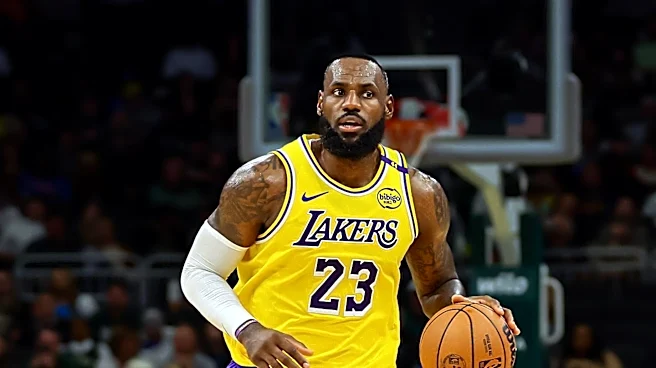
You can't put history, brand, and prestige on a balance sheet, but they absolutely drive up the price. This is the intangible value of owning a globally recognized brand like the Lakers. There are only 30 NBA teams and even fewer with an iconic legacy. This scarcity creates intense demand among the world's billionaires. Owning a team like this isn't just a financial investment; it's the ultimate status symbol, a "trophy asset." Buyers are often willing to pay a premium far beyond what traditional financial models might suggest simply for the prestige and bragging rights that come with joining one of the world's most exclusive clubs.