





Fenway Park, Boston: The Living Museum
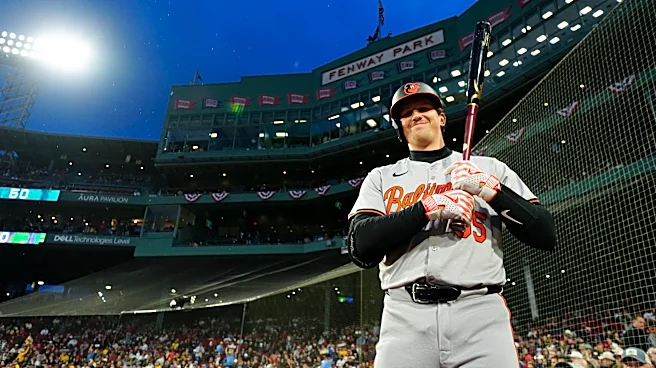
There are older parks, but none feel as profoundly historic as Fenway. Opened in 1912, it’s the oldest ballpark in the majors, and it wears its history with pride. From the moment you see it tucked into the city block, you feel the weight of every legend
who has played here. The experience is defined by its beautiful, frustrating, and utterly unique quirks. The most famous is the Green Monster, a 37-foot-high wall in left field that turns routine fly balls into doubles and towering pop-ups into home runs. It wasn’t even painted green until 1947, having been covered in advertisements for decades. A trip to Fenway isn't just about watching a game; it's about stepping into a time capsule where every cramped seat and odd angle tells a story.
Wrigley Field, Chicago: The Neighborhood Gem
If Fenway is a museum, Wrigley is a block party. The ballpark is famous for its ivy-covered outfield walls, which were first planted in 1937 to give the park a more serene, “woodsy” feel. Located in the heart of a residential neighborhood, the park's energy spills out onto the streets of Wrigleyville, creating an atmosphere unlike any other in sports. Fans famously watch from the rooftops of adjacent buildings, a tradition that speaks to the park's deep integration with its community. There's a timelessness here, underscored by the hand-turned scoreboard that still requires a human touch. A game at Wrigley feels less like a ticketed event and more like you’ve been invited to the world's greatest neighborhood cookout.
PNC Park, Pittsburgh: The Modern Masterpiece
When PNC Park opened in 2001, it instantly set a new standard for what a modern ballpark could be. While many new stadiums are impressive, none can match the sheer cinematic beauty of PNC. The design brilliantly uses its location on the Allegheny River to frame a spectacular view of the downtown Pittsburgh skyline and the iconic yellow Roberto Clemente Bridge. It’s a rare ballpark where the view from the upper deck might be better than from the seats behind home plate. With one of the smallest seating capacities in MLB, the park feels incredibly intimate, ensuring there isn’t a bad seat in the house. It proved that a new park could have all the modern comforts while also possessing a deep sense of place and character.
Oracle Park, San Francisco: The Seaside Spectacle
Baseball by the bay is a multisensory experience. Oracle Park’s genius lies in its connection to the water. Beyond the right-field wall sits McCovey Cove, where kayakers and boaters gather in hopes of catching a “splash hit” home run. This simple feature turns every deep fly ball to right into a moment of high drama. But the park is more than just its location. It has a reputation for having one of the best food scenes in baseball, from its famous Gilroy Garlic Fries to fresh Dungeness crab sandwiches. Add in stunning views of the Bay Bridge and a giant Coca-Cola slide in the kids' play area, and you have a park that is as much a destination as the city it calls home.
Oriole Park at Camden Yards, Baltimore: The Game Changer
It’s hard to overstate the importance of Camden Yards. When it opened in 1992, baseball was dominated by sterile, multi-purpose concrete donuts. Oriole Park changed everything. It was the first of the “retro-classic” parks, proving you could build a new stadium with modern amenities that still felt like an old-fashioned ballpark. Its design incorporated a historic B&O Warehouse into the view beyond right field and nestled the stadium into the downtown street grid, making it feel like it had always been there. Almost every new ballpark built since has borrowed from the Camden Yards playbook, from its brick facade to its asymmetrical field. A visit here is a chance to see the park that saved baseball stadiums from soulless uniformity.