


Master Your Windows
A surprising amount of heat enters your home through its windows, with some estimates suggesting it's responsible for around 30% of unwanted warmth. The simplest defense is to close blinds, shades, and curtains on any windows that receive direct sun.
For an even greater effect, consider thermal or blackout curtains, which are designed to block heat. On cooler nights and mornings, you can do the opposite: open windows on opposite sides of the house to create a cross-breeze, flushing out warm air before the day's heat sets in. Just be sure to close them again before the outside temperature rises.
Become a Fan of Fans
Fans are your most valuable players in the quest for energy efficiency. A ceiling or portable fan uses a tiny fraction of the electricity of a central air conditioner. Fans work by creating a wind-chill effect that makes you feel cooler, even if the room's temperature hasn't changed. Using a fan allows you to raise your thermostat setting by several degrees while maintaining comfort, which can significantly cut cooling costs. For best results in summer, ensure your ceiling fans are rotating counter-clockwise to push cool air down. And remember, fans cool people, not rooms, so turn them off when you leave.
Rethink Your Thermostat Strategy
Running your air conditioner is expensive, so how you manage your thermostat matters. Experts recommend setting it as high as you can comfortably tolerate, ideally around 78 degrees when you're home. It's a myth that setting it to a much colder temperature will cool your house faster; it only makes the system run longer and waste energy. If you're going to be away for several hours, raise the temperature setting. A programmable or smart thermostat can automate this process, learning your habits and ensuring you're not paying to cool an empty house.
Stop Costly Air Leaks
All your cooling efforts are wasted if the refreshing air escapes outside. Small gaps and cracks around windows and doors can let a significant amount of cool air out and warm air in. A weekend project of applying caulk and weatherstripping can make a real difference in sealing your home's envelope and keeping your conditioned air where it belongs. Don't forget to check for gaps where pipes and wiring enter the house and make sure your fireplace damper is tightly closed when not in use.
Adjust Your Daily Chores
Many common household appliances generate a lot of heat. Your oven, stove, dishwasher, and clothes dryer are all major culprits. During the hottest parts of the day, try to avoid using them. Shift activities like baking, laundry, or running the dishwasher to the cooler evening or early morning hours. Summer is the perfect season to fire up the outdoor grill instead of using the indoor oven. When you do have to run appliances, also be sure to use kitchen and bathroom exhaust fans to vent the hot, humid air outside.
Give Your AC Some Basic Care
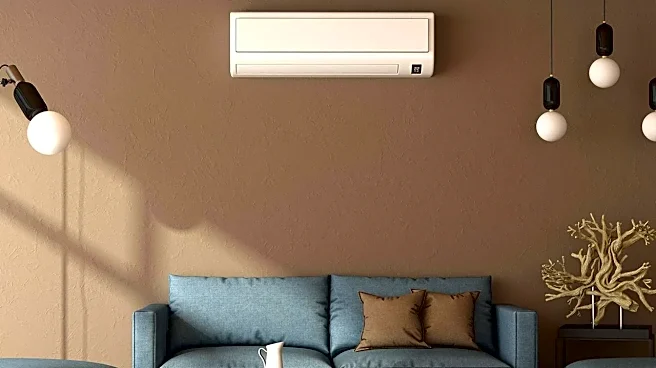
You can improve your air conditioner's efficiency with a few simple maintenance tasks. A dirty air filter restricts airflow and forces the system to work harder, so be sure to clean or replace it every one to three months. Also, take a look at the outdoor condenser unit. Trim back any bushes, weeds, or shrubs so there are at least two feet of clearance, and gently clean away any dirt or debris from the unit itself to ensure it can work effectively.