




The Devaluation Decade
Not long ago, the running back was the glamour position. But over the last decade, a perfect storm of factors conspired to tank their market value. As the league tilted heavily toward pass-first offenses, analytics departments began producing mountains
of data suggesting that a running back's success was more a product of the offensive line and scheme than individual brilliance. The numbers showed teams could often swap out a starting back for a cheaper, younger replacement with little to no drop-off in production. This thinking was compounded by the physical toll of the position. Research highlighted a steep performance decline, often referred to as an "age cliff," that tended to hit players around age 29. This made general managers extremely hesitant to award lucrative second contracts to players who had already absorbed thousands of hits during their four- or five-year rookie deals. The result was a depressed market where even elite backs struggled to get paid, often settling for the franchise tag, which ranked near the bottom compared to other positions.
Rise of the Committee
The strategic response to this data was the widespread adoption of the "running back by committee" (RBBC) approach. Instead of relying on a single workhorse to handle 25-plus touches a game, teams began splitting the workload between two, three, or even four backs with complementary skill sets. One might be a bruising early-down runner, another a shifty pass-catcher, and a third a goal-line specialist. This strategy offered multiple advantages: it kept players fresh, reduced injury risk, and, most importantly, was cost-effective. Why pay one player $15 million a year when you could get similar or better production from three players earning a combined $5 million? Teams like the New England Patriots and Carolina Panthers have become prime examples of this philosophy in 2026, building deep backfields that allow them to attack defenses in waves without a single, dominant cap hit.
A Shock to the System
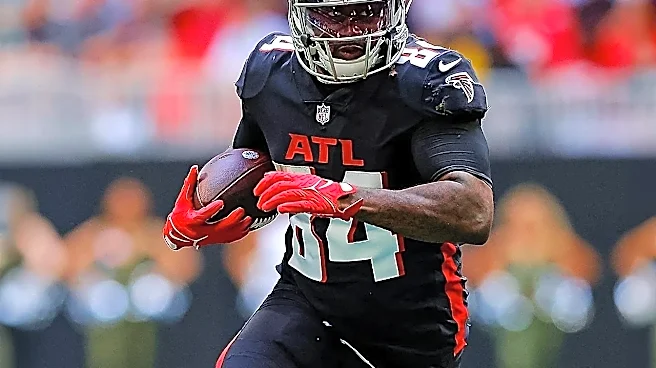
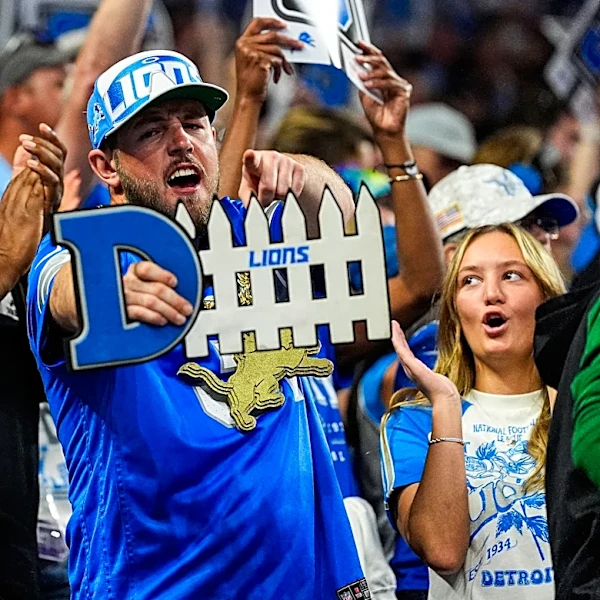
Just when the devaluation narrative seemed set in stone, the summer of 2026 blew it apart. In a stunning reversal, a trio of young, dynamic running backs secured massive contract extensions that reset the market. The Atlanta Falcons' Bijan Robinson, the Detroit Lions' Jahmyr Gibbs, and the Indianapolis Colts' Jonathan Taylor all signed deals worth over $22 million per year. Gibbs's contract, with its $51.5 million in guaranteed money, made him the highest-paid running back in NFL history. This wasn't just a minor adjustment; it was a seismic shift. After years of being told they were interchangeable cogs, the league's truly elite backs were finally being paid like the offensive centerpieces they were. These players aren't just north-and-south runners; they are game-breaking dual-threats who create mismatches as both runners and receivers, forming the core of their teams' offenses.
The New Two-Tier Market
So, are running backs back? Not exactly. The massive deals for Gibbs, Robinson, and Taylor don't represent a market-wide resurgence. Instead, they signal the creation of a stark, two-tiered system. There is now a small, exclusive club for the ultra-elite, versatile running back who can legitimately carry an offense. For this handful of players, teams are willing to pay a premium. But for everyone else, the old rules still apply. The vast majority of starting running backs across the NFL are still playing on inexpensive rookie contracts or short-term, team-friendly deals. The league isn't abandoning its analytical approach; it's refining it. The new thinking is that while most running backs are replaceable, the truly special ones are not. The challenge for front offices is no longer whether to pay a running back, but identifying which players are transcendent enough to be the exception to the rule.