

The Modern CEO of the Offense
In today's game, the quarterback is more than just the player who throws the ball; he's the on-field CEO of the offense. With schemes becoming more complex and tempo-driven, the QB is responsible for pre-snap reads, protection adjustments, and distributing
the ball with split-second accuracy. A quarterback’s skill set dictates the entire offensive philosophy. A dual-threat QB opens up a world of run-pass options and designed runs, while a classic pocket passer demands elite offensive line play and receivers who can win their routes. The decision isn't just about picking the best arm; it's about choosing the identity of your team for the next four months. He is the face of the program, the player who gets the most credit in victory and the most blame in defeat.
A Ripple Effect Through the Locker Room
The choice of a starting quarterback sends ripples throughout the entire roster. It impacts the morale of the team, the play-calling of the offensive coordinator, and even future recruiting classes. When a coach names a starter, it’s a public declaration of leadership. A confident, decisive choice can galvanize a locker room, giving players a clear leader to rally behind. Conversely, indecision or a perceived wrong choice can create fractures. If a beloved veteran is benched for a talented but unproven freshman, it can cause tension. The rise of the transfer portal has only amplified these stakes. A player who loses a QB battle is no longer guaranteed to stay as a backup; they are often immediately considered a candidate to enter the portal, potentially leaving the team without experienced depth. This makes the coach's management of the competition just as important as the final decision.
Case Study: The Right Gamble
History is filled with examples of coaches who made a gutsy call at quarterback that paid off with a championship. One of the most famous recent examples came in the 2006 season with the Florida Gators. Coach Urban Meyer had a reliable senior in Chris Leake, but also a phenomenal true freshman named Tim Tebow. Instead of redshirting the freshman, Meyer created a two-QB system where Leake handled the traditional offense and Tebow was brought in for crucial short-yardage and goal-line situations. The unique and harmonious platoon kept defenses off-balance all season, culminating in a dominant victory in the national championship game. It was a masterclass in utilizing the specific talents of two different players to elevate the entire team.
Case Study: When Indecision Lingers
On the other side of the coin, a prolonged or mishandled quarterback controversy can derail a season before it even begins. In the mid-1990s, the Ohio State Buckeyes had two talented quarterbacks in Stanley Jackson and Joe Germaine. For two full seasons, coach John Cooper employed a two-quarterback platoon, a decision that created uncertainty and arguably cost a supremely talented 1996 team a shot at the national title. While the locker room was said to prefer Jackson, Germaine was widely seen as the more effective passer. The indecision prevented the offense from ever finding a true rhythm under one leader. Only after Germaine led a game-winning drive in the Rose Bowl did he secure the job outright for the next season, leaving fans to wonder what might have been.
This Season's Proving Grounds
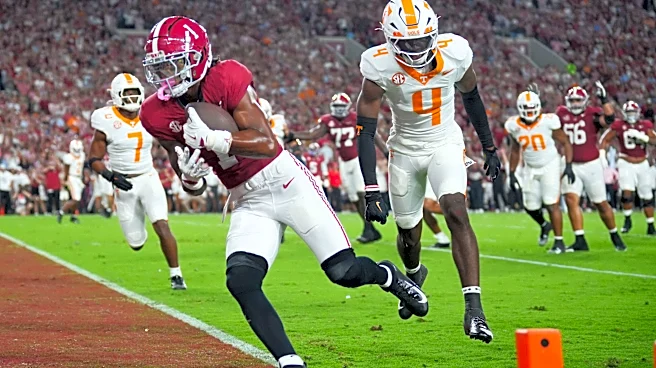
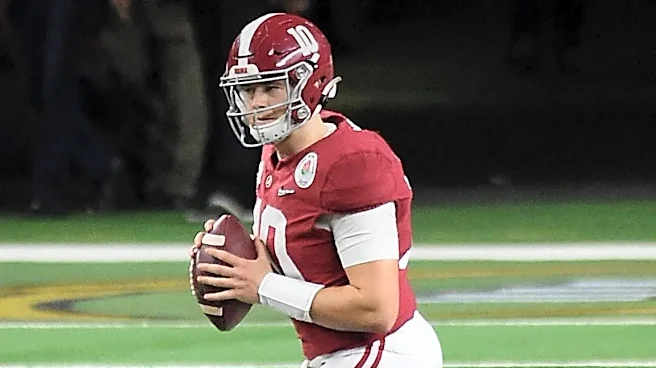
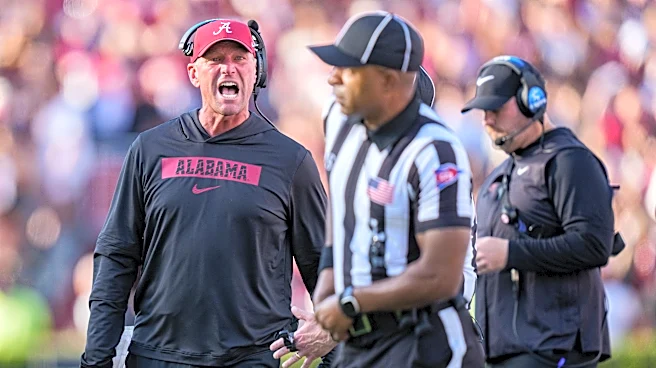
As the 2026 season dawns, several high-profile programs are facing their own defining QB decisions. In Tuscaloosa, new Alabama coach Kalen DeBoer must choose between Austin Mack, who knows his system from their time at Washington, and Keelon Russell, a dynamic five-star recruit. At Tennessee, a battle between redshirt freshman George MacIntyre and true freshman Faizon Brandon has been the talk of the preseason, with reports suggesting Brandon has started to separate himself. Meanwhile, Clemson is looking to replace a veteran, with Christopher Vizzina trying to hold off a challenge from a promising true freshman. The outcomes of these competitions will set the trajectory for teams with playoff aspirations.