






A Once-in-a-Century Discovery
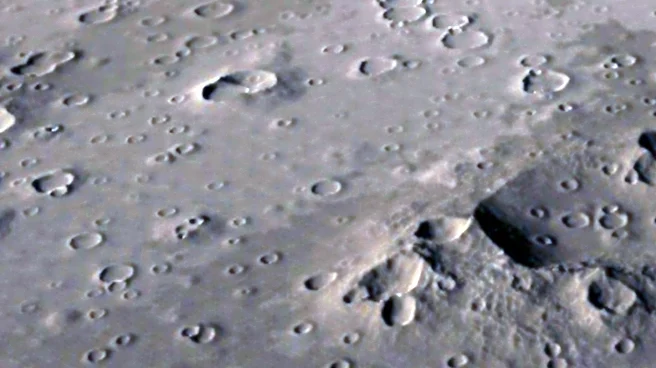
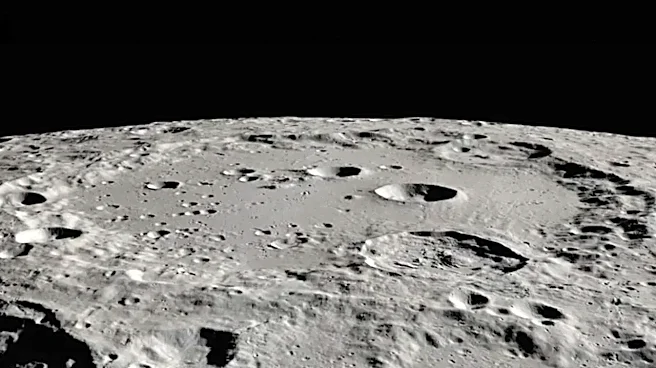
Imagine something the size of a six-story building slamming into the moon. That’s what scientists believe happened sometime in the spring of 2024, carving out a fresh crater on the lunar surface. The impact created a steep-sided hole measuring about 728
feet across and 141 feet deep. To put that in perspective, it’s wider than two football fields and deep enough to swallow three school buses stacked vertically. This isn't just another pockmark; researchers estimate an impact of this magnitude happens only about once every 132 years, making it a statistically rare, 'once-in-a-lifetime observation.' The discovery was made by scientists analyzing images from NASA's Lunar Reconnaissance Orbiter (LRO), which has been mapping the moon since 2009. The impact itself wasn't detected in real-time, but a researcher spotted the tell-tale signs of a fresh impact while comparing new scans to older ones in the fall of 2025.
Cosmic Detective Work
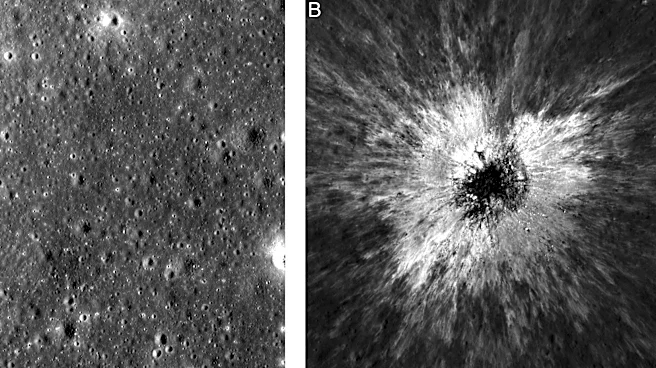
The crater, officially named McGetchin after a pioneering lunar scientist, was found on the moon's near side, on the border between the rugged highlands and a flat, ancient lava plain. Its discovery was a stroke of luck. A scientist performing a routine data check noticed an unusually bright spot surrounded by a dark halo—a clear sign that the ground had been recently and violently disturbed. He compared the new images from 2025 with older ones and realized he'd found the largest fresh crater documented in the solar system in recent memory. The impact was so powerful it churned the lunar surface for more than 66 miles, hurling dust and rock much farther and at a higher angle than models predicted. This ejecta blanket, the material thrown out from the crater, is a key part of what makes the finding so intriguing to scientists.
More Than Just a Hole
So why are scientists so excited? A new crater like this is a pristine, open-air laboratory. The moon's surface is constantly being gardened by small impacts, but a smash-up this large digs deep, excavating material from below the ancient, radiation-blasted topsoil. This gives researchers a rare chance to study what lies just beneath the surface. One of the most fascinating discoveries is a 4-mile-wide 'cold spot' surrounding the crater. At night, this area is about 16 degrees Fahrenheit cooler than the surrounding terrain. Scientists believe the impact 'fluffed up' the soil, making it less dense and less able to hold onto heat—a phenomenon one researcher likened to tilling a garden. This provides invaluable data on the physics of impact events and the properties of the moon's soil, or regolith.
A Gift for Future Astronauts
This discovery isn't just academic; it has direct implications for NASA's plans to build a permanent base on the moon. On one hand, it’s a stark reminder of the dangers. The fact that debris was thrown over 60 miles from the impact site highlights the risk that even distant collisions pose to future lunar habitats, which will need to be shielded from high-velocity rock fragments. On the other hand, the crater is a scientific treasure trove. By studying how this impact occurred and what it unearthed, NASA can better prepare for sending astronauts back to the moon. Understanding the frequency of these large impacts and the behavior of the lunar soil is critical for designing safe, long-term structures. This 'once-in-a-century' hole in the ground, found by chance, has provided an unparalleled opportunity to learn before we return.